

























A technical malfunction at one of the country’s primary floating liquefied natural gas facilities has triggered a widespread Bangladesh Gas Supply Crisis. The incident, involving a control panel failure at the Moheshkhali floating terminal, has removed approximately 17 million cubic meters of gas from the national grid daily. This sudden drop in the Bangladesh gas supply has created immediate hurdles for industrial zones nationwide, forcing many manufacturers to scale back their operations.
According to the state energy corporation, Petrobangla, the disruption was caused by a spark detected within the terminal’s control systems. The subsequent LNG terminal outage forced an immediate cessation of operations to facilitate repairs and ensure safety. Consequently, the manufacturing sector is grappling with a severe factory gas shortage, leading to significant operational delays and reduced industrial output.
Industrial Production Faces Significant Slowdown
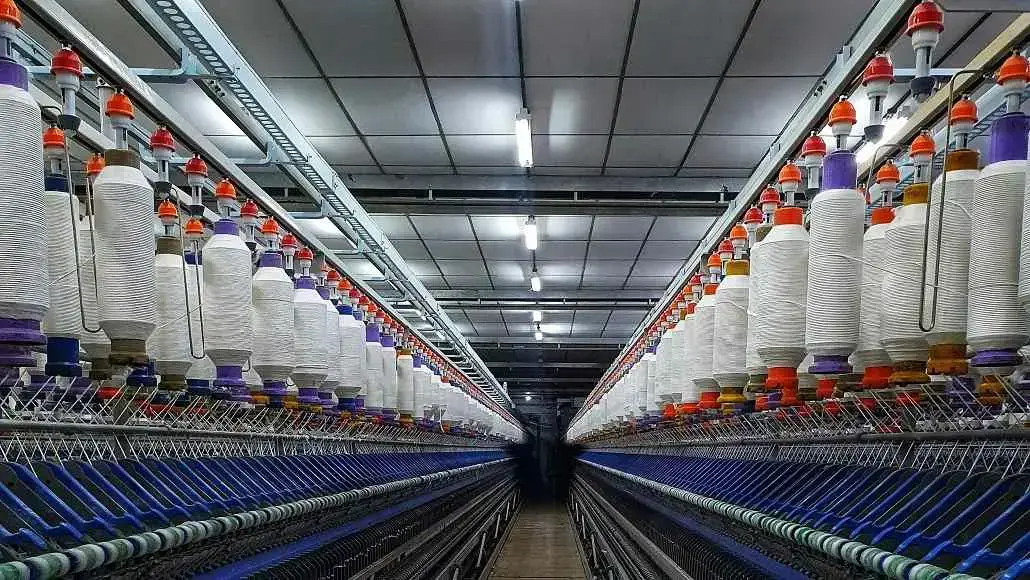
The impact is most visible in the manufacturing sector, where many units report textile production cuts of up to 40%. Business leaders in the garment industry state that the current factory gas shortage makes it impossible to maintain full capacity or meet standard production timelines.
As the Bangladesh Gas Supply Crisis continues to affect the national grid, Petrobangla remains focused on restoring the terminal to full functionality. For now, the reported textile production cuts highlight the sector’s vulnerability to energy supply instabilities caused by the unexpected LNG terminal outage. The reduction in the Bangladesh gas supply remains a critical concern for factory owners striving to maintain export commitments during this period of energy instability.