































The Zero Discharge of Hazardous Chemicals (ZDHC) foundation and the Bangladesh Knitwear Manufacturers and Exporters Association (BKMEA) have come together to launch a structured programme aimed at advancing chemical management and wastewater management practices across Bangladesh’s knitwear manufacturing sector.
During a recent high-level meeting between the two organisations, a comprehensive programme was outlined, targeting over 100 factories through a structured screening and baseline assessment process. The initiative seeks to help these factories adopt more effective chemical management systems, strengthen their wastewater performance, and embed stronger environmental practices into their day-to-day operations.
Programme Framework and Tools
Participating factories will be supported in implementing ZDHC’s established frameworks and tools, including Chemical Inventory Lists (CIL), InCheck, and the Supplier to Zero programme. As part of this rollout, factories will also receive dedicated training and technical support for their staff to ensure on-the-ground capacity is built effectively.
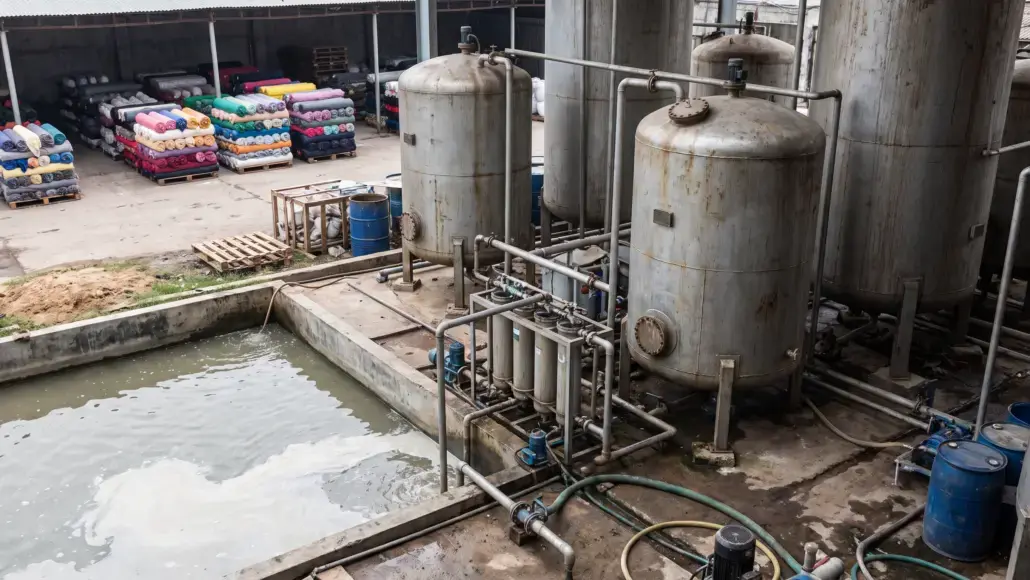
A key feature of the programme is the incorporation of ClearStream wastewater testing across 25 wet-processing sites. This testing is designed to identify major issues in wastewater and chemical management and to guide site-specific improvements where they are most needed.
The initiative also includes planned collaboration with chemical formulators and suppliers to strengthen chemical management throughout the broader supply chain, ensuring that improvements are not limited to factory floors alone.
Implementation and Solution Partners
Two organisations have been identified as implementation and solution partners for this programme. Amin & Jahan, a provider of research and development services, and Swiss consultancy firm ECOPSIS participated in the discussions in this capacity, signalling a multi-stakeholder approach to delivering the programme’s objectives.
Industry Leaders Highlight Key Priorities
BKMEA Vice President Mohammad Rashed underlined the importance of establishing transparent and objective criteria for selecting the factories that will participate in the programme. He emphasised that the selection process must be designed to deliver measurable improvements rather than serve as a procedural exercise. Rashed also pointed to the potential benefits of developing shared environmental infrastructure, including centralised wastewater treatment facilities, as a means of addressing industry-wide wastewater management challenges at a systemic level.
BKMEA Director Minhazul Hoque stressed that factory support must remain at the heart of the initiative. He observed that the programme should prioritise hands-on capacity building and technical support, rather than adding to the audit or compliance burdens already faced by factories. Hoque added that on-the-ground guidance and assistance would be central to achieving real and lasting progress in sustainable textile production.
Delivering Practical, Factory-Level Impact
BKMEA and ZDHC have stated that the overarching aim of this initiative is to deliver practical, factory-level capability and to accelerate the uptake of responsible chemical and wastewater management across the knitwear sector. Partner organisations are expected to support factories through each stage of improvement, ensuring that the programme translates into tangible outcomes for participating sites.
The collaboration between ZDHC and BKMEA reflects a shared commitment to raising environmental standards in Bangladesh’s knitwear industry, with chemical management and wastewater management identified as the two most critical areas requiring structured, industry-wide intervention.

