


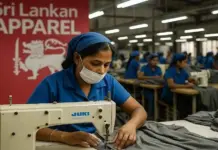

























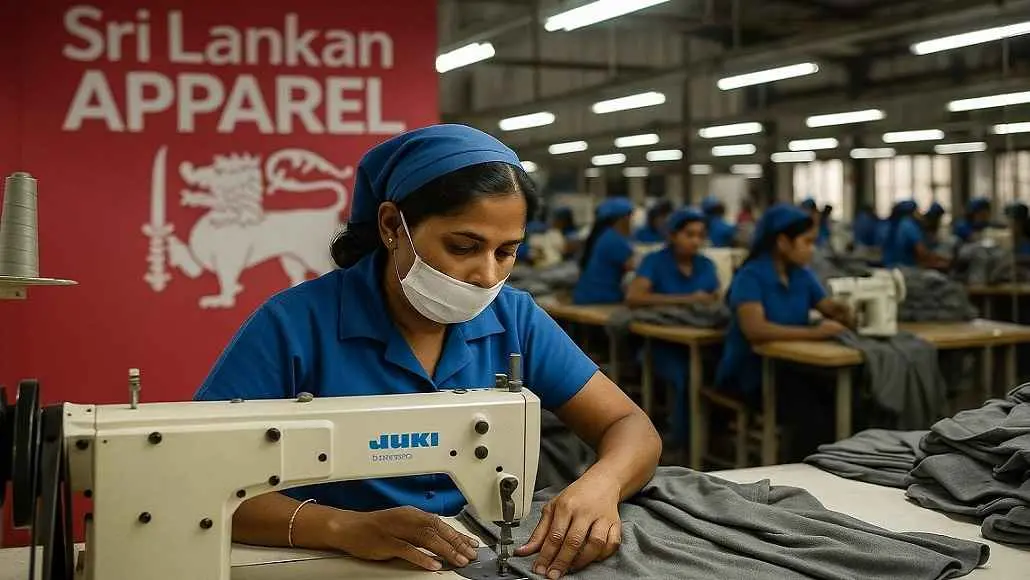
Sri Lanka’s apparel industry is pressing for greater investment in fabric manufacturing and the establishment of a preferential trade agreement with the United States, as the sector looks to strengthen its global competitiveness and safeguard its export base.
Industry representatives have highlighted that the absence of a robust local or regional fabric supply chain remains one of the most critical vulnerabilities facing Sri Lanka’s garment manufacturers. The heavy reliance on imported fabric, particularly from countries such as China and India, continues to inflate production costs and extend lead times — two factors that undermine the country’s ability to compete effectively in international markets.
The Case for Fabric Investment
The call for fabric investment is not new, but it has gained renewed urgency given the shifting dynamics in global supply chains. Sri Lanka apparel exporters argue that building a strong upstream textile and fabric sector would not only reduce import dependency but also add greater value to the country’s overall export proposition.
Stakeholders in the industry have pointed out that buyers, especially those based in the United States and Europe, are increasingly favouring suppliers who can demonstrate end-to-end manufacturing capability — from yarn and fabric to the finished garment. Without this vertical integration, Sri Lanka apparel manufacturers risk losing orders to competitors in countries that have more developed textile ecosystems.
Preferential US Trade Access: A Key Demand
At the heart of the sector’s advocacy is the push for a preferential trade deal with the United States. Currently, Sri Lanka does not benefit from the kind of duty-free or reduced-tariff access to the US market that some of its regional competitors enjoy, placing its exporters at a structural disadvantage.
Industry voices have made clear that securing a preferential trade arrangement with Washington would be a game-changer for Sri Lanka apparel exports. The United States represents one of the largest and most lucrative apparel import markets in the world, and even a modest tariff reduction could significantly enhance the price competitiveness of Sri Lanka-made garments.
The apparel sector has urged the government to prioritise trade negotiations with the US and to engage proactively with American authorities to explore the possibility of a bilateral or preferential trade framework. Such an agreement, the industry contends, would open doors for higher-volume orders and attract foreign direct investment into the country’s manufacturing base.
Broader Implications for the Export Economy
Sri Lanka’s apparel and textile industry is one of the country’s largest foreign exchange earners, making it a cornerstone of the national economy. Any gains in market access or supply chain efficiency would therefore have wide-ranging benefits beyond the factory floor — supporting employment, boosting foreign exchange inflows, and contributing to macroeconomic stability.
The sector’s representatives have stressed that both the fabric investment agenda and the preferential trade deal push must be treated as complementary priorities rather than separate policy conversations. A stronger local fabric base would make Sri Lanka apparel exports more cost-effective and rules-of-origin compliant, while a US trade deal would provide the market access needed to make those investments worthwhile.
The industry has called on policymakers to take a coordinated approach — engaging with investors to build out the upstream supply chain while simultaneously advancing trade diplomacy with key export destinations, with the United States firmly at the top of that list.

