























The global textile industry is undergoing a decisive shift as smart manufacturing moves from being a forward-looking concept to an operational necessity. For textile exporters, particularly those operating in competitive and compliance-driven markets, the integration of advanced digital technologies into production processes is no longer optional — it has become a core business strategy.
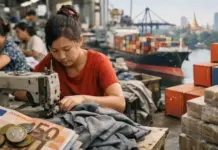
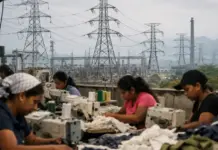
Smart manufacturing, which encompasses automation, real-time data analytics, artificial intelligence, and connected machinery, is being increasingly adopted across textile and apparel supply chains. Exporters who have traditionally relied on labor-intensive processes are now investing in technological upgrades to meet buyer requirements, reduce lead times, and maintain margins in an environment of rising costs and tightening sustainability standards.
The Strategic Shift Toward Smart Manufacturing
The push toward smart manufacturing among textile exporters is being driven by multiple converging forces. Global buyers — particularly large retail brands and fast-fashion operators — are demanding greater transparency, faster turnarounds, and measurable environmental performance from their supply chain partners. This is compelling manufacturers to modernize their facilities and adopt systems that can deliver real-time production visibility and traceability.
For many exporters, the move toward digital transformation is also about remaining competitive in an increasingly crowded marketplace. Countries and manufacturers that fail to upgrade risk losing orders to more technologically advanced rivals. Smart manufacturing enables factories to optimize output, minimize waste, and respond more agilely to changing order volumes and specifications.
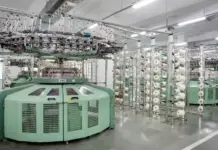
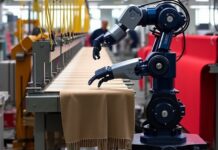
Automation is playing a central role in this transformation. Automated cutting, sewing assistance technologies, and robotic material handling are reducing dependency on manual labor for repetitive and precision-intensive tasks. This not only lowers error rates and rework costs but also supports faster production cycles — a critical advantage when dealing with time-sensitive export orders.
Digital Tools Reshaping the Factory Floor
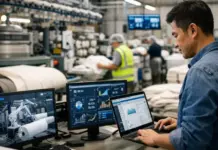
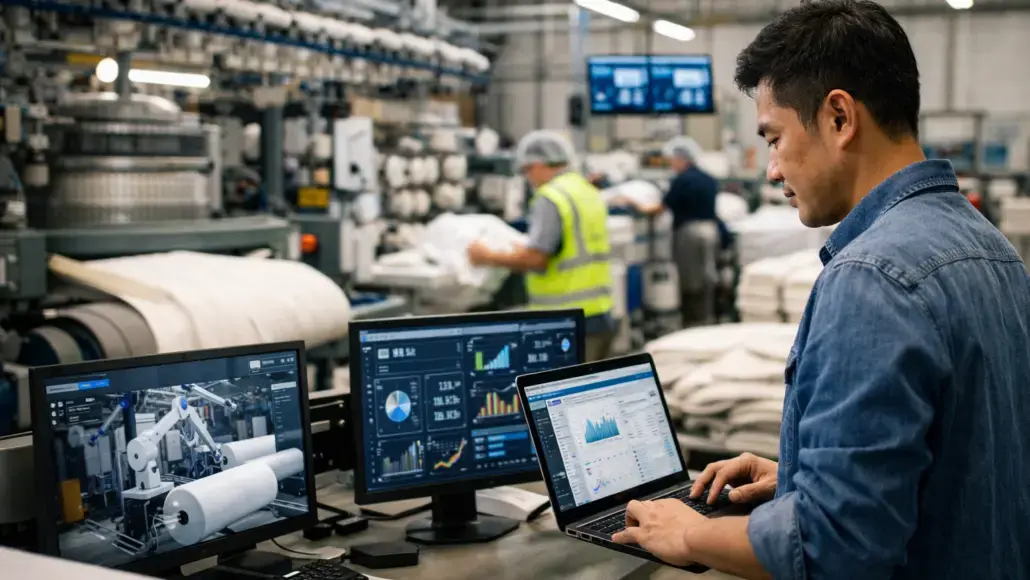
Beyond physical automation, the integration of digital tools such as enterprise resource planning systems, manufacturing execution systems, and Internet of Things-enabled machinery is fundamentally reshaping how textile factories operate. Data captured at each stage of production — from yarn preparation to finishing — can now be analyzed to identify bottlenecks, predict equipment maintenance needs, and improve overall efficiency.
Digital transformation in the textile sector is enabling a level of operational precision that was previously difficult to achieve at scale. Factory managers are gaining access to dashboards that consolidate production data across shifts and departments, making it easier to identify underperformance in real time and take corrective action without delays.
For textile exporters specifically, these capabilities are becoming prerequisites for maintaining relationships with international buyers. Many global brands now require their manufacturing partners to demonstrate measurable efficiency and environmental standards, which smart manufacturing systems are uniquely positioned to support.
Sustainability as a Driver of Smarter Production
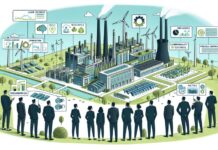
Sustainable production is increasingly intertwined with the adoption of smart manufacturing technologies. Energy monitoring systems, water usage tracking, and waste reduction analytics are being integrated into factory operations as part of broader environmental compliance strategies. Textile exporters operating under scrutiny from regulators and brands alike are finding that smart systems provide a structured pathway to achieving and documenting their sustainability targets.
The ability to generate verifiable sustainability data is becoming a commercial asset. Buyers and retailers are under growing pressure from consumers and regulatory bodies to demonstrate responsible sourcing, and manufacturers who can provide credible, system-generated environmental performance data are gaining a measurable competitive edge.
Sustainable production goals and smart manufacturing investments are thus reinforcing each other — each new layer of digital capability adds to a factory’s ability to measure, manage, and report on its environmental footprint.
Challenges to Adoption and the Path Forward
Despite the clear momentum, the transition to smart manufacturing is not without its challenges for textile exporters. High upfront capital costs, a shortage of technically skilled workers, and the complexity of integrating new systems into legacy infrastructure remain significant barriers, particularly for small and medium-sized manufacturers.
Access to financing is a recurring concern, especially in markets where credit conditions are tight and return-on-investment timelines for technology upgrades can stretch over several years. Industry stakeholders have pointed to the need for supportive policy frameworks and industry-level initiatives that can help manufacturers — particularly smaller ones — make the transition without bearing the full financial burden alone.
Workforce development is equally critical. As automation takes over routine tasks, the demand for workers with skills in operating, maintaining, and interpreting data from smart systems is rising. Training programs aligned with the realities of modern digital textile factories are being identified as a priority for sustaining the smart manufacturing transition over the long term.
Despite these obstacles, the direction of travel is clear. Smart manufacturing is now firmly established as a strategic priority across the textile export sector. Manufacturers that invest in digital transformation and automation today are positioning themselves to meet the evolving demands of global buyers, satisfy sustainability requirements, and build more resilient, efficient operations for the years ahead.