



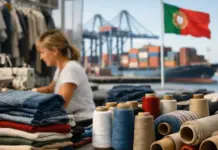


























The apparel industry is at a transformative crossroads. Global economic challenges, coupled with shifting consumer priorities, are pushing brands to reevaluate their practices. With soaring tariffs, fluctuating manufacturing costs, and intensifying pressure to go green, sustainability has evolved from a trend into an absolute necessity. For the fashion sector, sustainable fashion energy solutions are emerging as a key driver of both affordability and relevance in today’s rapidly changing market.
Investing in renewable energy and energy-efficient processes can offer dual benefits: mitigating rising production costs while addressing environmental concerns. As brands seek to diversify production away from China—which still accounts for 37% of U.S. apparel imports—many are exploring alternatives in countries like Bangladesh, India, and Vietnam. However, these shifts bring challenges as surging energy costs in these regions strain suppliers, pushing power costs up to 20% of operating expenses.
Energy Efficiency as a Competitive Edge
China has set a benchmark in energy efficiency by integrating renewable energy into its industrial grid. The result? Electricity production costs that are 11-64% lower compared to competing markets. In contrast, countries like Bangladesh have seen industrial gas prices rise by 33%, while India recently increased domestic gas rates, further burdening manufacturers. The adoption of sustainable fashion energy solutions in these regions could not only reduce costs but also improve factory competitiveness on a global scale.
Renewables to the Rescue
Forward-thinking brands are already partnering with suppliers to implement green energy initiatives like solar panels, offshore wind farms, and resource-efficient manufacturing processes. For example, several apparel producers in Bangladesh have halved their energy costs while improving working conditions by transitioning to renewable energy sources.
“This isn’t about cutting corners; it’s about creating lasting value,” the report underscores. “Sustainability isn’t just better for the environment—it’s critical for staying competitive in an increasingly eco-conscious industry.”
Future of Sustainable Fashion
In a world where environmental awareness is becoming non-negotiable, fashion brands that embrace renewable energy and eco-friendly practices will lead the charge. The future of the apparel industry depends on its ability to balance affordability with ethical responsibility, proving that sustainability and profitability can go hand in hand. Adopting sustainable fashion energy solutions is no longer optional—it’s essential for survival in the global fashion landscape.