




















Bangladesh’s garment industry is grappling with significant challenges amid the escalating tariff tensions between the US and China, which threaten to disrupt its critical export relations with the United States. Recent tariffs imposed by the US government are aimed at countries like Bangladesh that heavily rely on Chinese materials for their manufacturing processes. This strategy is part of a broader effort to limit China’s economic influence.
During the fiscal year 2023-24, Bangladesh sourced approximately $16.63 billion in goods from China, representing 26.4% of the nation’s total imports. A staggering 80% of these imports are comprised of essential raw materials—including fabrics, chemicals, and accessories—vital for the garment industry. Experts in the sector caution that such reliance hampers Bangladesh’s ability to comply with the US’s stringent Rules of Origin (RoO), which mandate that products contain at least 40% local value addition to qualify for entry into the American market.
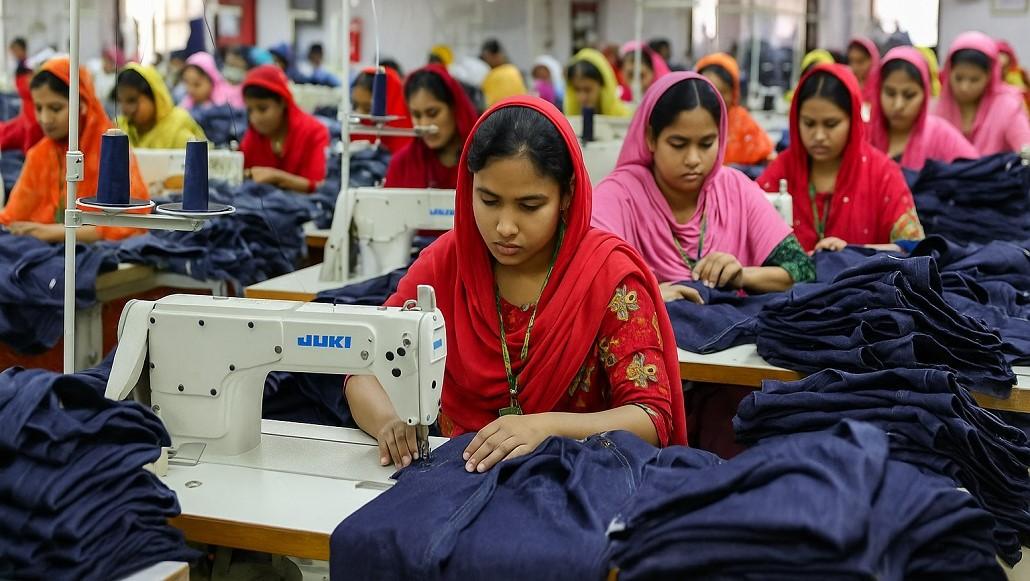
The woven garment industry, which primarily produces items such as trousers and shirts for US consumers, is particularly exposed to these regulatory demands. Nearly 70% of the woven fabric used in these garments is imported from China, making it extremely challenging for Bangladesh to meet the new US standards. In the initial 11 months of fiscal 2024-25, the US imported $4.62 billion worth of woven garments from Bangladesh, compared to $2.4 billion for knitwear, which is less dependent on Chinese inputs due to local production capabilities.
Industry stakeholders, including Masrur Reaz, chairman of the Policy Exchange think tank, have raised alarms about the rigid value-addition targets. Mostafa Abid Khan, a former member of Bangladesh’s Trade and Tariff Commission, echoed these concerns, indicating that the heightened US requirements could severely weaken the woven sector’s competitive edge.
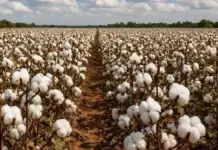
In response to these challenges, Bangladesh is actively engaging in diplomatic negotiations while proposing to increase imports of US goods. The country has put forth plans to purchase more liquefied natural gas (LNG) from the US, as well as agricultural products like cotton and soybeans, and increase orders for Boeing aircraft, all aimed at reducing the existing $6 billion trade deficit with the US. However, the success of these discussions remains uncertain.
Moreover, US officials have urged Bangladesh to adjust its tariff policies to align with American geopolitical interests, raising questions about the nation’s adherence to World Trade Organization (WTO) principles, particularly regarding non-discrimination. There are additional concerns that the US may impose broader tariffs or label products as transshipped if they are redirected from China via Bangladesh, adding to the uncertainty.
Industry leaders are advocating for immediate diplomatic engagement, with Mahmud Hasan Khan, president of the Bangladesh Garment Manufacturers and Exporters Association, calling for the government to enlist lobbying firms to facilitate direct talks with US officials. Meanwhile, the sector is exploring alternative strategies to reduce dependency on Chinese materials, such as sourcing fabrics locally or from other markets.
As the next round of negotiations approaches in July in Washington, the future of Bangladesh’s garment industry hangs in the balance. Experts warn that, while steps are being taken to address the situation, the country’s significant reliance on Chinese imports poses a formidable barrier to swiftly adapting to evolving US trade policies. The outcomes of these ongoing discussions will be crucial for the future of Bangladesh’s woven garment exports to the United States.