































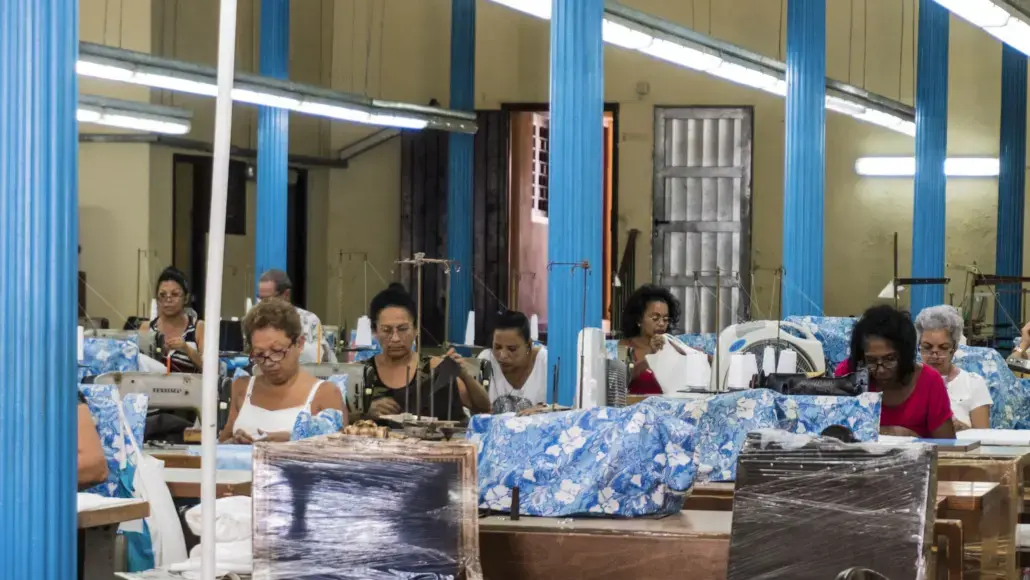
The Lesotho Ministry of Trade, Industry and Business Development has confirmed that goods produced within the nation will once again enter the United States without the burden of import duties. This restoration of Lesotho US duty-free trade follows the expiration of specific US trade tariffs on July 29. The move provides a critical lifeline to the local textile industry growth and stabilizes a sector that serves as a pillar for the national economy.
Restoration of Preferential Market Access Under AGOA
The expiration applies to 122 tariffs originally implemented in February 2026. These measures were introduced following a US Supreme Court ruling concerning trade policies involving reciprocal duties. With these barriers removed, Lesotho returns to a preferential regime under the African Growth and Opportunity Act. The removal of these US trade tariffs marks a return to the pre-tariff regime of zero duties for various products, specifically textiles, apparel, and fisheries.
Impact on the Manufacturing Sector and Workforce
Furthermore, the government noted that the country was not included in the recent Section 301 tariffs applied to 60 other nations on July 24. This exemption ensures that Lesotho garment exports remain competitive and accessible for American buyers. The recent period of trade volatility had caused significant distress within the manufacturing sector, which supports over 30,000 manufacturing jobs. Prior to this resolution, several factories had initiated retrenchments due to slowing orders, prompting unions to seek government intervention to protect the workforce.
While the return of Lesotho US duty-free trade is a positive development, long-term concerns persist regarding the future of the AGOA trade benefits. The current agreement is scheduled to expire on December 31, 2026. The International Monetary Fund had previously highlighted that the lack of duty-free access could jeopardize the livelihoods of thousands of workers.
Strategic Consultations and Future Investment
Government officials are currently participating in consultations regarding the modernization of the trade act. These discussions focus on potential eligibility updates and reciprocal trade structures. Through the Lesotho National Development Corporation, the state aims to attract further American investment into the local value chain. The primary objective remains securing a predictable and permanent trading framework to ensure sustained textile industry growth and protect manufacturing jobs across the country. By maintaining AGOA trade benefits, the nation seeks to offer certainty to both international investors and domestic Lesotho garment exports.

