





















The Make the Label Count (MTLC) coalition has called on the European Commission to adopt a criteria-based approach for textile Ecodesign rules, urging policymakers to recognise the full sustainability value of sustainably sourced renewable materials (SSRMs) in the upcoming regulatory framework.
In a letter addressed to European Commissioner Jessika Roswall, who oversees Environment, Water Resilience and a Competitive Circular Economy, the coalition argued that the new Ecodesign requirements should not rely on restrictive definitions that primarily assess materials based on recyclability or a limited set of lifecycle indicators.
Instead, MTLC believes future legislation should acknowledge the broader environmental, social and economic contributions of renewable natural materials by evaluating them through a wider range of sustainability indicators.
Representing more than 80 organisations from across the natural fibre and renewable materials value chain, the coalition said the criteria-based approach for textile Ecodesign rules would provide a more balanced assessment of sustainably sourced renewable materials.
According to MTLC, sustainability evaluations should extend beyond product end-of-life considerations and include factors such as responsible farming practices, soil conservation, efficient water management, biodiversity protection and the welfare of rural communities. The coalition maintains that these criteria would offer a more comprehensive understanding of a material’s overall environmental impact instead of creating a fixed ranking of fibre types.
MTLC also urged the European Commission to ensure that both renewable and synthetic textile fibres are assessed using the same transparent and consistent sustainability standards. It argued that comparable evaluation methods are essential for establishing fair competition across the textile industry.
The coalition further stated that future regulations should consider the complete lifecycle of textile materials, including the origin of raw materials, sourcing practices, production impacts and end-of-life performance, enabling objective comparisons between different fibre categories.
The proposal has gained support from the Brazilian Association of Cotton Producers (ABRAPA), an active member of MTLC that continues to engage with European policymakers during the development of the new legislation.
ABRAPA believes the European Union’s sustainability framework will have implications far beyond the region, as the bloc’s regulations are likely to influence textile standards and market expectations worldwide.
The association stressed that science-driven and comprehensive assessment methods are necessary to ensure natural fibres receive equal consideration alongside synthetic alternatives within the new policy framework.
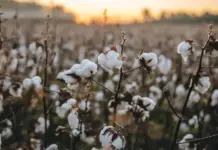
Commenting on the issue, Lisa Ventura, Head of International Partnerships at ABRAPA, said; “Brazilian cotton proves that scale and sustainability can go hand in hand. As the global textile sector evolves, sustainability frameworks must be built on credible, science-based methods that ensure a level playing field for all materials.”