

















During a high-level meeting held on July 28, 2026, at the Secretariat, representatives from the Turkish company Sanko presented a formal proposal for a significant Sanko Textile Bangladesh Investment. The discussion involved Commerce, Industries, and Textiles and Jute Minister Khandakar Abdul Muktadir, alongside State Minister for Textiles and Jute Md. Shariful Alam. The company intends to shift its current model of supplying Turkish textile goods to establishing a permanent, full-scale production headquarters within the country.
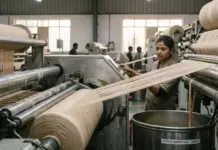
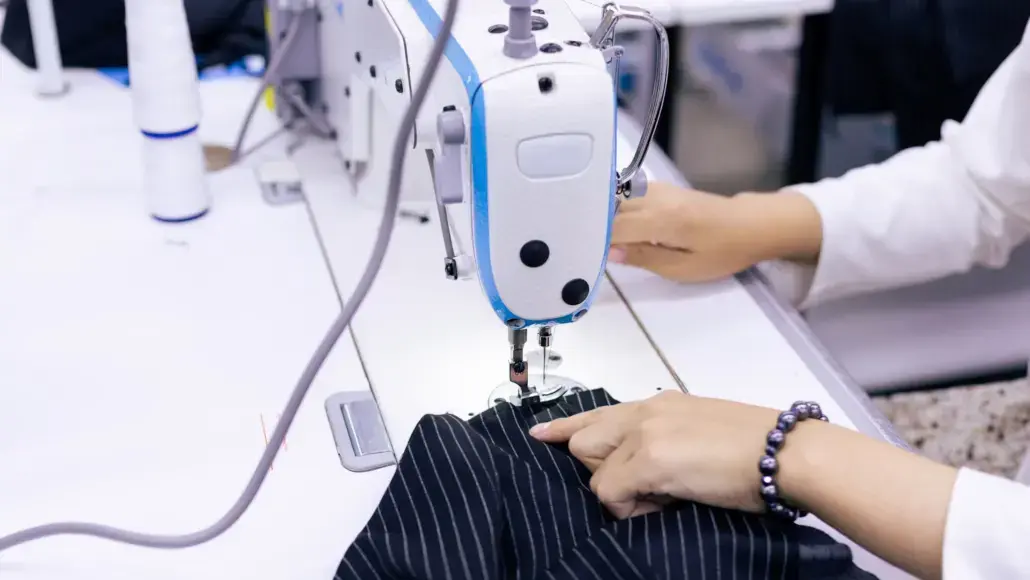
The decision to increase foreign direct investment is driven by several factors, including rising demand from international buyers, the availability of a skilled workforce, and the country’s robust export capabilities. The proposed facility will focus on high-end fabric manufacturing and advanced textile processing. By producing high-value-added textile products locally for the global market, the project aims to strengthen the country’s overall export competitiveness.
Operational Objectives and Sector Support
The new production base is designed to serve as a critical resource for the local ready-made garment and textile sectors. By providing access to higher-quality materials domestically, the facility will support broader textile sector growth. Furthermore, Sanko intends to offer technology transfers and skills development support to existing domestic factories to elevate industry standards.
According to the delegation, the company has already concluded preliminary site selection and held successful discussions with local partners. The Sanko Textile Bangladesh Investment project is expected to see construction completed within a 12 to 18-month window following the receipt of necessary government approvals. Full operations are scheduled to commence within a few months of the final regulatory clearances.
Infrastructure Requirements and Environmental Standards
To ensure the success of this foreign direct investment, the company has requested government assistance regarding infrastructure and administrative processing. Specifically, Sanko sought guarantees for an uninterrupted supply of gas and electricity, as well as expedited utility connections and streamlined regulatory approvals. These elements are viewed as essential for maintaining the project’s development timeline for fabric manufacturing.
A core component of the plan involves the implementation of sustainable production methods. Sanko confirmed that the facility will utilize environment-friendly technologies and adopt coal-free energy management systems. These measures are intended to align the facility with rigorous international sustainability standards, ensuring that the textile sector growth contributed by this project does not compromise environmental goals.
The integration of sustainable production is also expected to enhance export competitiveness by meeting the strict compliance requirements of global buyers. Once operational, the investment is anticipated to create substantial employment opportunities and improve the availability of premium textile materials within the national market.