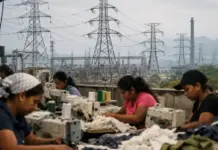



























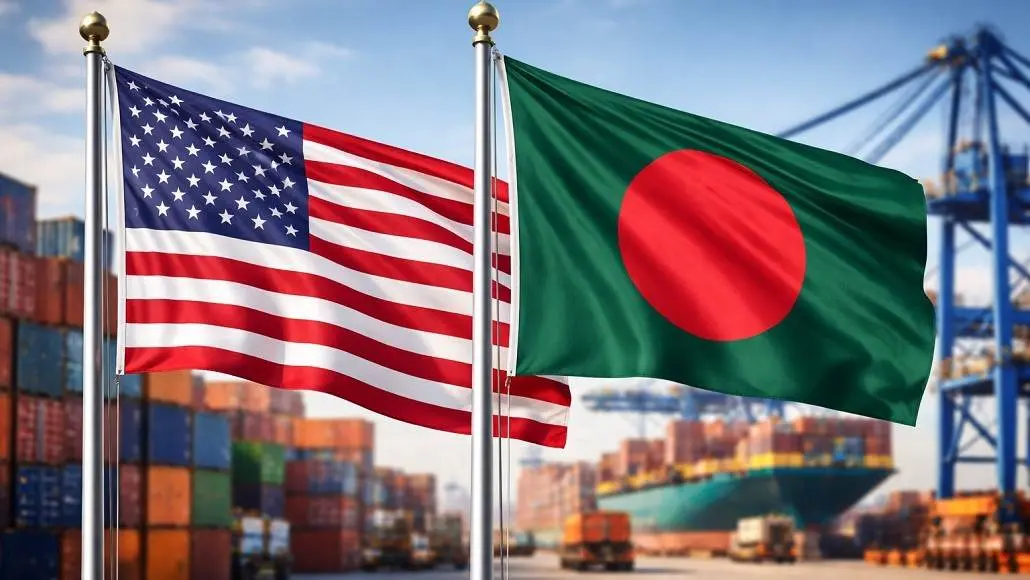
The United States Trade Representative (USTR) has officially determined that trade practices across 60 economies, including Bangladesh, are “unreasonable and burden or restrict US commerce.” This finding, made under Section 301 of the US Trade Act of 1974, paves the way for potential new US Trade Tariffs. Specifically, Bangladesh faces a recommendation for an additional 10 per cent duty as part of a broader Section 301 investigation into global trade practices, directly impacting US Tariffs Bangladesh Apparel trade. This move has sparked significant concern among Bangladesh Apparel exports stakeholders, who anticipate a considerable impact on their Industry Competitiveness.
USTR’s Unilateral Action Targets Global Trade Practices
Section 301 stands as one of Washington’s most powerful unilateral trade tools, enabling the US to investigate foreign trade practices and impose tariffs or other restrictions. The proposed measures have now entered a structured consultation phase. Stakeholders have until June 22 to request participation in hearings, with written submissions due by July 6. Formal hearings are subsequently scheduled for July 7.
Bangladeshi Industry Reacts to Heightened Tariff Burden
Bangladesh’s inclusion in this list has drawn strong reactions from industry stakeholders, who are openly questioning the logic, consistency, and timing of the USTR’s decision. A key concern is the potential loss of Industry Competitiveness within the vital US market, as the combined impact of existing and proposed duties could significantly escalate overall tariffs. An economist closely associated with the country’s manufacturing and export sector highlighted the severe pressure this could place on an already overstretched industry. If fully implemented, the total tariff exposure on Bangladesh Apparel exports could reach nearly 44 per cent, comprising a 15 per cent general tariff, a 19 per cent reciprocal duty, and the newly proposed 10 per cent surcharge linked to Forced Labor Concerns.
Many industry voices have expressed particular surprise given the recent signing of the US–Bangladesh Agreement on Reciprocal Trade (ART). Under this agreement, Dhaka had committed to enabling selected textile and apparel products to enter the US market at zero reciprocal tariff. Against this backdrop, exporters assert that the latest USTR proposal appears to contradict the spirit of ongoing bilateral engagement.
Navigating the Complexities of Forced Labor Verification
A leading apparel exporter reflected widespread uncertainty within the sector, stating, “We have been actively engaged with the USTR for a considerable period, and the ART agreement between Bangladesh and the United States has already been concluded. In that context, it is difficult to comprehend the rationale behind imposing an additional 10 per cent tariff.” He further clarified that the US position does not directly allege the existence of forced labour within Bangladesh’s domestic production system. Instead, the concern appears to focus on whether Bangladesh can adequately verify that imported raw materials from other countries are free from Forced Labor Concerns risks. Such verification, in practical terms, is extremely complex and often beyond the realistic capacity of any single importing country, the individual claimed.
Broader Implications for Global Trade Standards
Meanwhile, another senior industry player warned that the proposal reflects a broader and increasingly concerning trend in Global Trade Policy. In this trend, tariff instruments are being used to enforce regulatory expectations that have not been collectively negotiated through multilateral frameworks. While acknowledging that the elimination of forced labour remains a universally shared ethical objective, he cautioned that tying market access to a single country-driven compliance model risks undermining the Most Favoured Nation (MFN) principle and further fragmenting the global trading system.
Calls for Collaborative Solutions Amidst Economic Strain
The timing of the proposal has added further strain for the Bangladesh Apparel industry, which is already navigating a challenging external environment. This includes a global demand slowdown, economic uncertainty, and rising competition from alternative sourcing hubs. Reports indicate that Bangladesh’s export earnings declined by approximately 7.07 per cent year-on-year in May, falling to around $4 billion from $4.73 billion recorded during the same period last year. Against this already fragile trade landscape, exporters fear that any additional tariff burden could significantly erode Industry Competitiveness in its second-largest export market. Furthermore, this also raises questions on the future of US Tariffs Bangladesh Apparel trade relations.
One stakeholder noted that if the United States’ genuine objective is to strengthen labour standards and eliminate exploitative practices, then punitive US Trade Tariffs may prove counterproductive. Instead, he argued, a more effective approach would involve technical assistance, capacity-building initiatives, and targeted support mechanisms for workers and compliance systems. This approach could better address the complex issue of Forced Labor Concerns without jeopardizing vital Industry Competitiveness.