































PSI 2026

Resortecs and BekaertDeslee unite for mattress recycling

Note* - All images used are for editorial and illustrative purposes only and may not originate from the original news provider or associated company.

Subscribe

- Never miss a story with notifications

- Gain full access to our premium content

- Browse free from up to 5 devices at once

Media Packs

Expand Your Reach With Our Customized Solutions Empowering Your Campaigns To Maximize Your Reach & Drive Real Results!
– Access The Media Pack Now!
– Book a Conference Call
Leave Message for us to Get Back

Related stories

The Environmental Benefits and Carbon Savings of Textile Recycling

Textile recycling delivers substantial and quantifiable environmental benefits spanning carbon emission reduction, water conservation, chemical usage elimination, and resource preservation. Comprehensive lifecycle assessment data demonstrates that fiber-to-fiber textile recycling achieves 87% carbon reduction compared to virgin polyester production, eliminates 99% of water consumption compared to virgin cotton cultivation, and reduces chemical usage dramatically across production stages. These environmental advantages compound across material cycles, creating cumulative environmental benefit justifying aggressive circular textile system scaling as critical climate change mitigation and environmental protection strategy.

How Textile Recycling Supports Sustainable Fashion Trends and Market Shifts

Textile recycling is fueling emerging sustainable fashion movements and accelerating market shifts toward circular business models as consumer preferences increasingly prioritize environmental impact alongside style and quality. Generational preference evolution, regulatory momentum, brand sustainability positioning, and genuine circular product availability are converging to reshape fashion industry toward sustainable and circular models. Textile recycling infrastructure and technology advancement directly enables these market shifts by providing the material foundation necessary for authentic circular fashion transition at scale.

The Global Rise of Textile Recycling and Its Impact on the Apparel Industry

The global textile recycling market is experiencing unprecedented growth, projected to reach USD 11.88 billion by 2030 from USD 8.41 billion in 2025, representing a 7.2% compound annual growth rate. This transformation is reshaping apparel manufacturing, sourcing strategies, sustainability commitments, and long-term fashion industry models as brands, retailers, and manufacturers increasingly recognize that circular economy principles are not optional but essential for competitive survival and regulatory compliance.

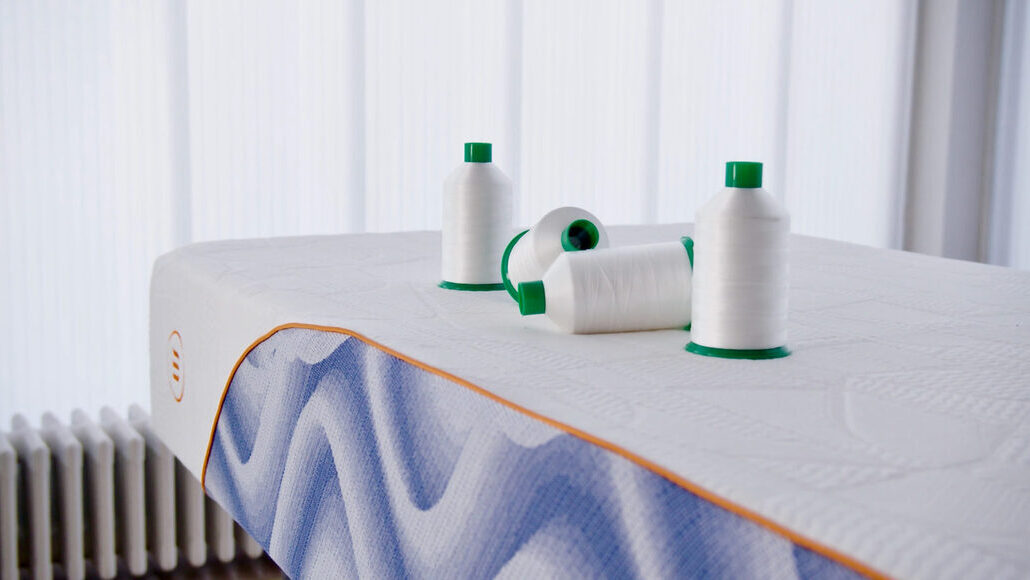
Resortecs has partnered with BekaertDeslee, a global leader in the production of mattress textiles, covers, and modern sleep solutions. Together, both companies are taking Design for Disassembly beyond fashion to offer a groundbreaking solution for mattress cover recycling – reducing waste and increasing the recyclability of one of the most complex textiles products.

Currently, less than 1% of all textiles are effectively recycled. The remaining 99% end up landfilled or incinerated. The challenge of disassembling and sorting multi-material textile products is largely behind these staggering figures. In the case of mattresses, the textile cover is especially difficult to recycle due to its mixed materials and several components.

To tackle that, Resortecs and BeekaertDeslee have developed a unique and cost-efficient solution to make mattress covers that are made for being unmade. With the ultimate goal of easily dismantling, sorting, and recycling as much fabric as possible, BekaertDeslee will allow its clients to make mattresses using Resortecs’ Smart Stitch™ heat-dissolvable threads. The two companies have been working together since 2022 to create the first multi-material covers designed for industrial-scale disassembly and recycling.

At the end of the cover’s life, mattress brands will be able to use Resortecs’ low-emission Smart Disassembly™ systems for easy pre-recycling disassembly. This will help the industry to avoid polluting end-of-life processes (e.g. incineration), boost its recycling rates, and reduce each product’s carbon footprint.

As a circularity leader, Resortecs sees the partnership with BekaertDeslee as a significant step towards achieving industry-wide textile circularity. The two companies will continue to work together to develop innovative solutions that reduce waste, increase recyclability and promote a greener future for the industry and the planet.

Latest stories

Related stories

The Environmental Benefits and Carbon Savings of Textile Recycling

Textile recycling delivers substantial and quantifiable environmental benefits spanning carbon emission reduction, water conservation, chemical usage elimination, and resource preservation. Comprehensive lifecycle assessment data demonstrates that fiber-to-fiber textile recycling achieves 87% carbon reduction compared to virgin polyester production, eliminates 99% of water consumption compared to virgin cotton cultivation, and reduces chemical usage dramatically across production stages. These environmental advantages compound across material cycles, creating cumulative environmental benefit justifying aggressive circular textile system scaling as critical climate change mitigation and environmental protection strategy.

How Textile Recycling Supports Sustainable Fashion Trends and Market Shifts

Textile recycling is fueling emerging sustainable fashion movements and accelerating market shifts toward circular business models as consumer preferences increasingly prioritize environmental impact alongside style and quality. Generational preference evolution, regulatory momentum, brand sustainability positioning, and genuine circular product availability are converging to reshape fashion industry toward sustainable and circular models. Textile recycling infrastructure and technology advancement directly enables these market shifts by providing the material foundation necessary for authentic circular fashion transition at scale.

The Global Rise of Textile Recycling and Its Impact on the Apparel Industry

The global textile recycling market is experiencing unprecedented growth, projected to reach USD 11.88 billion by 2030 from USD 8.41 billion in 2025, representing a 7.2% compound annual growth rate. This transformation is reshaping apparel manufacturing, sourcing strategies, sustainability commitments, and long-term fashion industry models as brands, retailers, and manufacturers increasingly recognize that circular economy principles are not optional but essential for competitive survival and regulatory compliance.

Subscribe

- Never miss a story with notifications

- Gain full access to our premium content

- Browse free from up to 5 devices at once

Media Packs

Expand Your Reach With Our Customized Solutions Empowering Your Campaigns To Maximize Your Reach & Drive Real Results!

– Access The Media Pack Now!
– Book a Conference Call
Leave Message for us to Get Back

Translate »