



























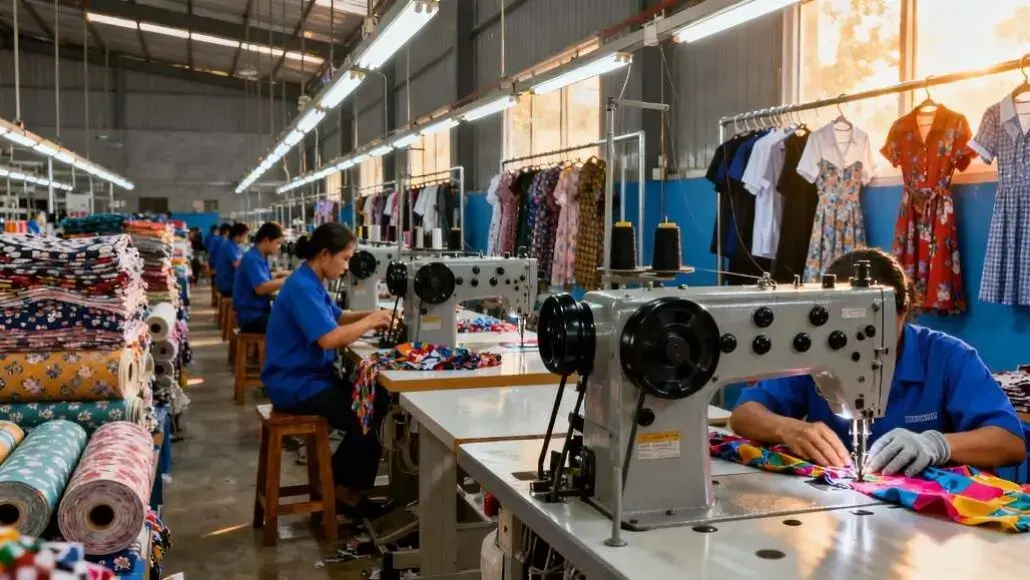
Vietnam’s textile and footwear sector is entering a new phase in its relationship with Europe: growth still matters, but compliance is quickly becoming the price of admission. As the European Union tightens environmental and product requirements, Vietnamese exporters are rethinking how they produce and deliver, moving toward greener, more circular models that cut waste, emissions, and resource use.
For Vietnam exporters, the stakes are clear. In 2025, the country’s exports to the EU reportedly reached $56.2 billion, up 10.1 per cent year on year, underscoring Europe’s importance for its manufacturing base.
Access to the EU market increasingly depends on meeting strict environmental and product-design requirements. The bloc is rolling out an ambitious agenda centred on EU sustainability, including the Carbon Border Adjustment Mechanism (CBAM) and the Ecodesign for Sustainable Products Regulation (ESPR). Together, these policies are reshaping what global suppliers must document, design, and decarbonise.
What CBAM and ESPR mean for supply chains
ESPR sets expectations for durability, repairability, and recyclability, and urges manufacturers to reduce a product’s overall environmental footprint. Supply chains are expected to become more transparent via Digital Product Passports, while practices such as destroying unsold goods are being phased out.
EU sustainability CBAM ESPR
For Vietnam exporters, compliance with CBAM and ESPR is becoming a baseline requirement to retain EU orders and remain competitive. In line with EU sustainability priorities, producers are being pushed to account for embedded emissions and to design for circular economy outcomes.
National strategy prioritises a circular economy
Vietnam’s long-term development strategy for textiles and footwear, extending to 2030 with a vision toward 2035, places sustainability at its core. The plan outlines efficient, environmentally responsible growth anchored in a circular economy where materials are reused, waste is minimised, and production cycles are closed rather than linear and provides a legal backbone to align with global trends.
Factory-level changes underway
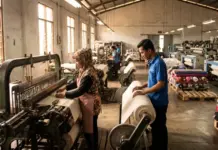
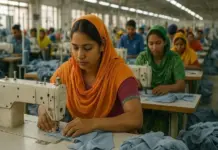
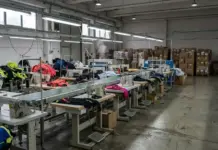
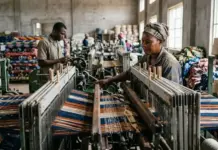
On the ground, textile and apparel manufacturers are investing in renewable energy, upgrading machinery, and refining production processes to reduce emissions and resource consumption. These shifts go beyond box-ticking; they aim to future-proof operations in markets where green credentials increasingly influence contract awards.
Financing gaps challenge smaller firms
The transition is not seamless. Access to green finance remains a key barrier, particularly for small and medium-sized enterprises. Larger companies can more readily fund clean technologies and certification, while smaller suppliers often struggle to secure capital for the shift, risking exclusion from high-value export markets if they cannot keep pace.
Calls for cohesive support
As Vietnam advances its circular economy, industry voices are urging a more cohesive and comprehensive policy framework one that sets clear standards for circular products and actively incentivises recycling, cleaner production, and sustainable innovation. Without stronger support, progress may remain uneven, with smaller firms left behind.
Closing the implementation gap
Momentum is building as manufacturers and policymakers work to align standards and support mechanisms. The objective is to narrow the gap between sustainability ambition and daily implementation across the sector and to create an ecosystem where businesses of all sizes can invest in circular solutions, strengthen export capabilities, and meet the EU’s exacting standards under EU sustainability CBAM ESPR.

