
























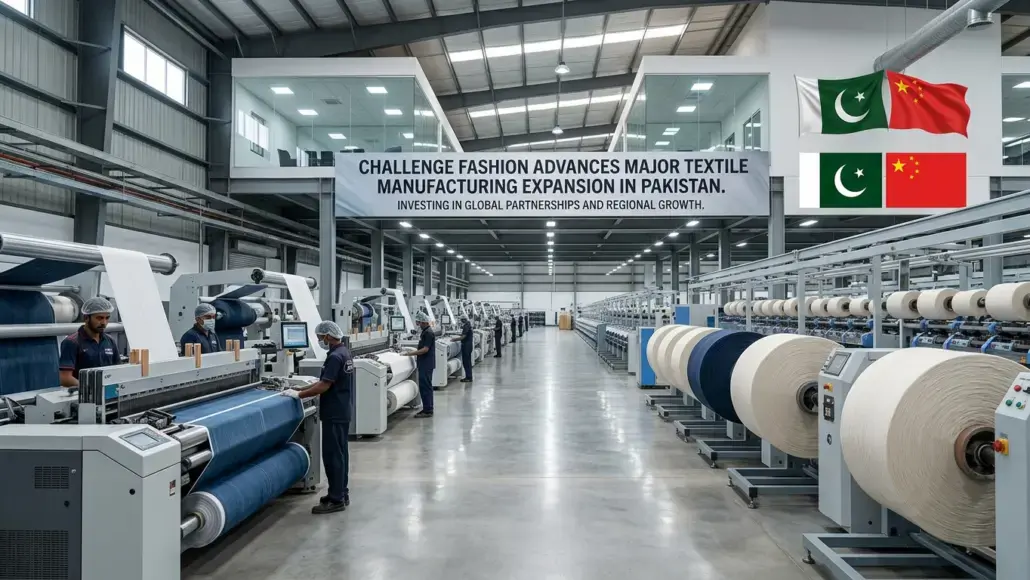
Chinese textile manufacturing leader Challenge Fashion is proceeding with plans to establish a substantial manufacturing facility in Pakistan. The project aims to significantly increase annual exports to approximately $500 million while generating thousands of new employment opportunities.
The development was confirmed during high-level discussions between Federal Commerce Minister Jam Kamal Khan and a Chinese delegation. The delegation was headed by Huwang, Chairman of Challenge Fashion, and Karen Chen, CEO of Challenge Apparel. According to an official statement released Wednesday, the talks centered on export-oriented manufacturing, industrial facilitation measures, tariff reforms, and strengthening Pakistan-China economic cooperation.
Manufacturing Facility Development
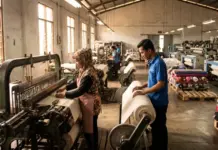
During the meeting, Huwang detailed the company’s commitment to establishing a large-scale manufacturing unit in Pakistan that will adhere to international production standards. The initial phase of this Pakistan textile manufacturing expansion is scheduled for completion later this year.
The company’s comprehensive expansion strategy involves developing one of Pakistan’s largest textile manufacturing operations. This initiative holds the potential to create up to 20,000 jobs while generating annual export revenues between $400 million and $500 million, representing significant export growth for the region.
Strategic Advantages
The Chinese delegation emphasized Pakistan’s strategic geographical location and competitive workforce as key advantages for international manufacturing and trade operations. These factors position Pakistan favorably within global supply chains.
Last year, Challenge Fashion announced intentions to establish a Special Economic Zone in Pakistan, with planned investments totaling $100 million over the next five years. This manufacturing facility development underscores the company’s long-term commitment to the region’s textile manufacturing sector and overall economic development.
The Pakistan textile manufacturing expansion represents a substantial commitment to job creation and economic growth, aligning with broader initiatives to strengthen manufacturing capabilities and export potential in the region.

