































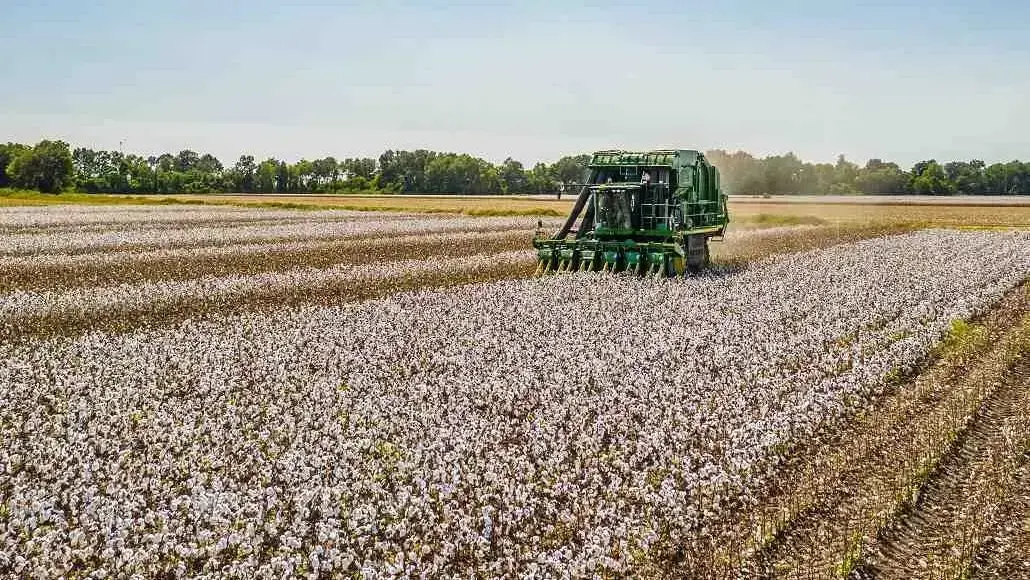
Australia’s cotton season is closing out under tight constraints, with growers managing a season defined by restricted irrigation water, rising cost pressure and an early-year price picture that looked uninspiring. According to ANZ’s Agri InFocus Commodity Insights Winter 2026, the 2025–26 production cycle required careful trade-offs in water allocation and input spending at a time when prices initially appeared stuck in a low, flat range.
Despite those headwinds, harvest conditions have largely cooperated. With picking finished in northern districts and nearing completion further south, ANZ reported that quality has generally landed in the good-to-fair range. Fine weather helped keep harvesting on track in many areas, while yields have been broadly average and in some cases slightly above expectations—an encouraging outcome given uneven soil moisture and the season’s patchwork irrigation availability across key growing regions. For the Australia cotton outlook, that combination suggests operational execution has been solid even as resource constraints persist.
On the market side, cotton prices strengthened meaningfully through autumn, clawing back ground and returning to levels not seen since the 2024 harvest. In early May, the Cotlook ‘A’ Index—often used as a benchmark for global cotton prices—rose above 90 US cents per pound for the first time since April 2024. The move marked a recovery of more than 25% from the season’s low near 73 US cents per pound in December 2025.
ANZ linked the rebound to several converging signals: emerging production risk tied to dry conditions in parts of the United States as the new crop goes into the ground; a lift in near-term purchasing interest from cotton mills; and steadier consumption indicators from major end markets, including the US and China. Together, these factors appear to have tightened sentiment and improved pricing support.
Looking ahead, however, the report expects Australian supply to tighten further. The next season is projected to contract to around 3 million bales in 2026–27. Forecasts referenced from ABARES indicate planted area could fall to just over 400,000 hectares—its smallest footprint since the drought-affected years from 2020 to 2022. That forecast reinforces the idea that water availability remains the key swing variable in the Australia cotton outlook, influencing both planting decisions and achievable output.
Globally, a smaller crop in Australia would add to an already tightening supply picture. ANZ noted that if production declines while demand holds, world consumption could exceed production by roughly five million bales—a shift from the current balance and typically supportive for pricing. Trade flows are still expected to remain relatively steady, however, because major consuming countries hold substantial stocks that can be drawn down if needed.
Even with that stock buffer, ANZ suggested the combination of a reduced Australian crop and tighter global supply should intensify competition for export bales. In theory, that supports stronger price dynamics for exporters—especially if mill demand remains firm and weather risks in other producing regions persist through the planting and growing months.

