







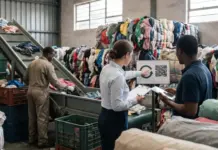




















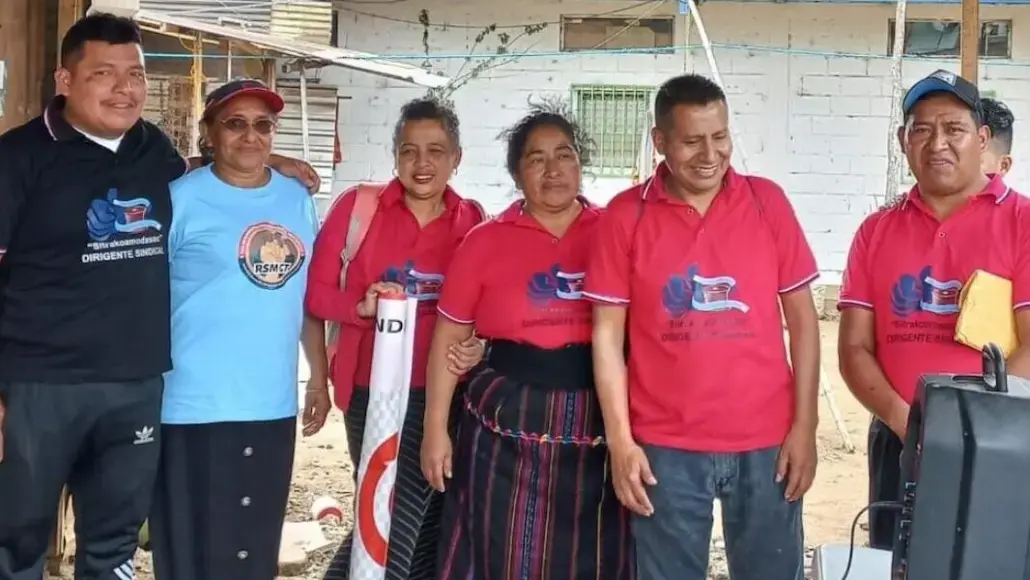
The Worker Rights Consortium (WRC) reported that more than 750 garment workers at the now-closed KOA Modas factory in Guatemala have received approximately $6 million in back pay following a WRC investigation into unpaid wages and severance. The factory, which produced private-label apparel for Target as early as 2015, ceased operations in February 2025. At the time of the factory closure, KOA Modas employees lost more than $5 million in severance and around $460,000 in unpaid wages.
Employer promises, escalation, and resolution
Initial efforts to secure payment resulted in an employer promise to address the wage arrears, but WRC states that commitment was not honoured. After the closure became public, the WRC engaged SAE-A Global Trading, a Seoul-based apparel producer that had supplied Target from KOA Modas, to assume responsibility for the outstanding payments. Following extended discussions involving factory unions, SAE-A agreed to cover 95% of the total owed to workers; WRC said the remaining 5% may be recovered through the sale of KOA Modas’s remaining inventory and equipment.
The WRC characterized SAE-A’s action as the largest single-factory back pay settlement for garment workers ever recorded in Central America. WRC noted: “SAE-A has joined other leading apparel companies like American Eagle Outfitters, Gildan, and PVH, that have responded to violations documented by the WRC in their supply chains by using their own resources to pay workers money they were legally owed.”
Ongoing concerns
While the settlement addresses immediate back pay and severance violations, the WRC highlighted continuing concerns about social security contributions that were allegedly withheld from employees’ pay. The WRC warned that such withheld social security contributions could jeopardise pensions for many now-retired staff. The organisation added: “Sabrina Chang, the owner of KOA Modas, had a track record that long preceded the factory’s closure of stealing not only its workers’ wages, but also the social security contributions it deducted from their paychecks.”
Context and implications
KOA Modas continued to supply Target up until the factory closure, and SAE-A had acted as Target’s direct supplier for products manufactured at KOA. The case underscores issues raised by the WRC regarding employer accountability in the apparel supply chain, the impact of factory closure on workers, and the need to secure wage arrears and severance for affected employees.

