


























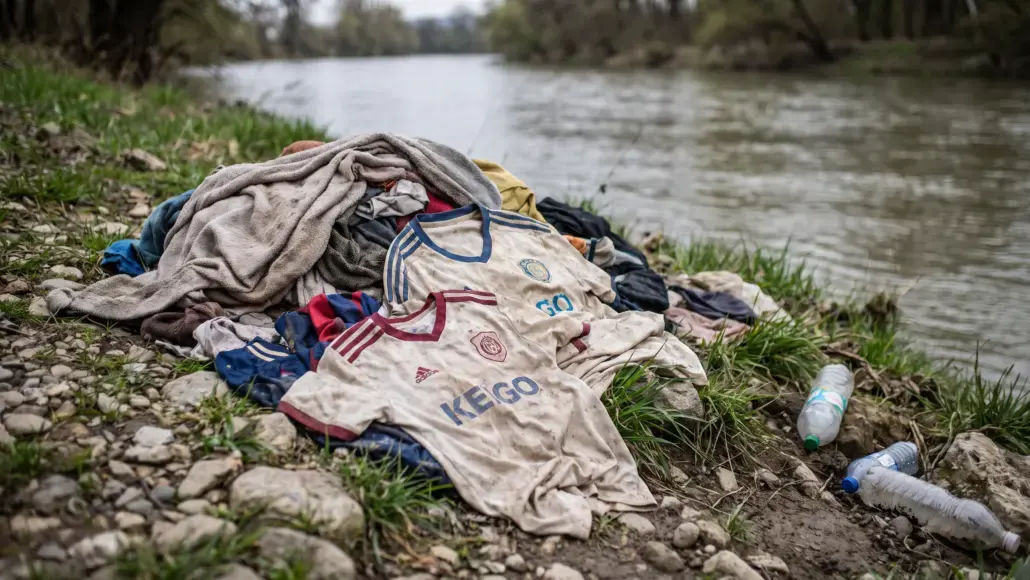
Researchers at the Revolution Plastics Institute at the University of Portsmouth have launched what is believed to be the first scientific investigation into the counterfeit football shirts environmental impact, aiming to understand how fake sportswear affects pollution, textile waste and microplastic release.
Backed by funding from the UK Intellectual Property Office (IPO), the project will compare counterfeit football jerseys with authentic kits to generate independent evidence on their environmental footprint. The study seeks to close a significant knowledge gap by assessing whether counterfeit products create greater environmental harm throughout their lifecycle.
A major focus of the research is determining whether fake football shirts release more microplastic fibres than genuine garments during regular use and washing. Researchers will also examine how counterfeit apparel is discarded and its contribution to the growing global challenge of textile waste.
The timing of the project coincides with heightened demand for football merchandise around the FIFA World Cup, when sales of both official and counterfeit jerseys typically surge. While the social consequences of counterfeit trade—including links to organised crime and worker exploitation—have received increasing attention, the environmental dimension has remained largely unexplored. The research team believes there is limited scientific evidence supporting widely held assumptions that counterfeit products are more damaging to the environment.
To evaluate the counterfeit football shirts environmental impact, researchers will conduct a comprehensive lifecycle assessment covering energy consumption, carbon emissions and fibre shedding. The study will also explore which communication strategies are most effective in discouraging consumers from purchasing counterfeit products.
The findings are expected to provide governments, environmental organisations and brand owners with reliable evidence to support future enforcement strategies, awareness campaigns and policies aimed at reducing demand for counterfeit goods.
Dr Kate Whitman, from the Revolution Plastics Institute at the University of Portsmouth and project lead, said, “Textile waste is a growing environmental challenge, yet the contribution of counterfeit clothing is often overlooked. We suspect it plays a much larger role than is currently recognised. At the same time, the public can be sceptical of claims about the harms of counterfeiting because they often come from organisations with a commercial interest in selling authentic products. Our goal is to generate independent, scientific evidence that is credible and trusted by both industry and the public.”
Synthetic textiles are recognised as a major contributor to microplastic pollution because garments release microscopic plastic fibres during manufacturing, daily wear and particularly through laundering. Many of these fibres bypass wastewater treatment systems before entering rivers, oceans and agricultural land, where they accumulate and pose risks to ecosystems and human health.
Felicity Webster, research associate at the Revolution Plastics Institute, University of Portsmouth said, “The textile industry is a significant source of microplastic pollution as synthetic garments shed tiny plastic fibres during manufacturing, everyday wear and most notably laundering.
“Many of these fibres are too small to be fully captured by wastewater treatment systems, allowing them to enter aquatic environments and agricultural soils. Over time, these microplastics accumulate in the environment, posing risks to wildlife and human health. This study will explore whether there are measurable differences in microplastic shedding between counterfeit and genuine football shirts, providing new insight into the environmental impacts of sportswear production.”
The research will conclude with a report for the UK Intellectual Property Office, a peer-reviewed academic publication and a stakeholder workshop, helping build stronger scientific evidence on the counterfeit football shirts environmental impact and supporting future environmental policy and public education initiatives.

