
























Nepal has stepped up efforts to rebuild its struggling apparel and textile industry, unveiling a series of policy initiatives aimed at restoring manufacturing capacity, boosting exports and reducing reliance on imported textile products.
The latest Nepal textile sector revival initiative follows a high-level meeting between Prime Minister Balendra Shah and representatives of the Garment Association Nepal, where both sides discussed measures to remove long-standing barriers that have weakened the country’s once-prominent garment manufacturing industry.
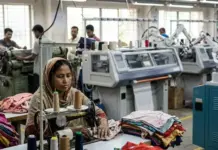
Government agencies have reportedly been instructed to eliminate administrative delays that continue to hamper textile and apparel businesses. Authorities are also considering the formation of a dedicated Textile Council while working to resolve laboratory testing challenges that have complicated garment exports, particularly to the United States.
Government targets export growth and industrial recovery
The reforms are part of a wider strategy to strengthen Nepal’s manufacturing base by improving export competitiveness while lowering dependence on imported textile products.
Industry representatives have repeatedly pointed to slow regulatory approvals, fragmented institutional support and difficulties in meeting export compliance requirements as major obstacles limiting the growth of domestic apparel manufacturers. Policymakers now appear determined to address these structural issues through coordinated government action.
Hetauda Textile Industry set for another revival attempt
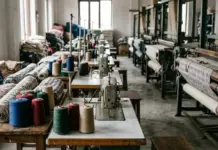
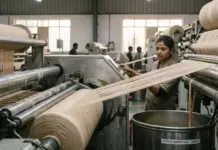
A major component of the government’s strategy is the planned revival of the historic Hetauda Textile Industry, one of Nepal’s earliest state-owned textile enterprises.
Established in 1975 with support from China, the factory began commercial operations in 1978 before ceasing production in 2000 following years of financial losses, outdated operations and management challenges.
According to local reports, the factory’s revival has been included in the government’s 100-day action plan. The Nepali Army has been tasked with carrying out a feasibility assessment, evaluating existing machinery and supervising preliminary restoration work.
Initial funding has reportedly already been allocated for cleaning the facility, inspecting equipment and conducting trial production using available machinery before authorities decide on larger capital investments.
If production resumes successfully, the factory is expected to manufacture uniforms for the Nepali Army, Armed Police Force and Nepal Police before gradually expanding supplies to other government institutions and eventually commercial markets.
Integrated textile value chain under consideration
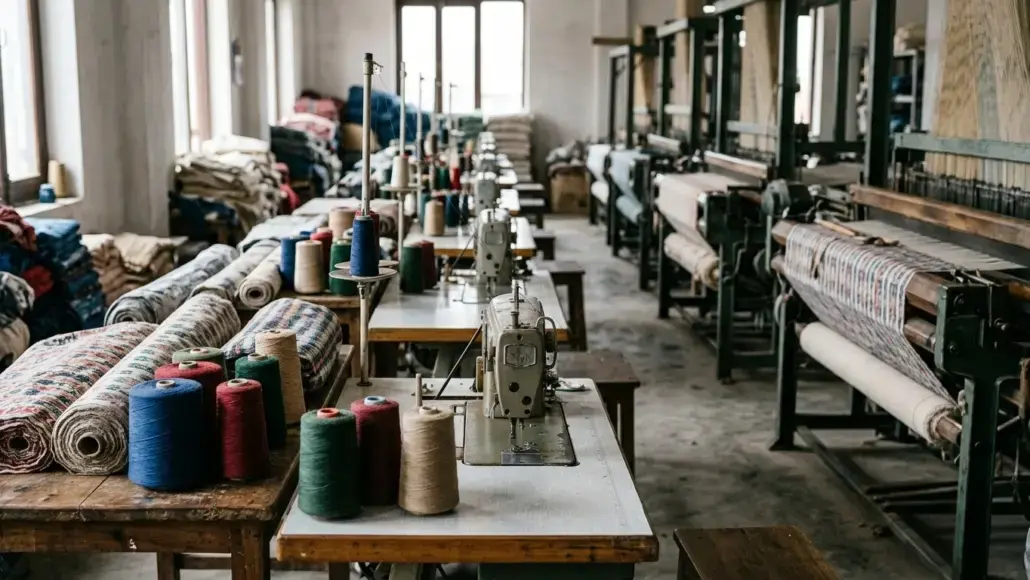
Beyond reopening the Hetauda facility, the government is also exploring the revival of the Butwal Yarn Factory alongside initiatives to promote domestic cotton cultivation and strengthen local production of textile raw materials.
These measures form part of a broader vision to develop an integrated textile value chain capable of supporting Nepal’s garment manufacturers with locally sourced inputs and improved industrial infrastructure.
The Nepal textile sector revival strategy aims to rebuild manufacturing capabilities from fibre production through to finished apparel, reducing supply chain dependence on imports.
Industry welcomes reforms but urges private sector participation
The Garment Association Nepal has welcomed the government’s renewed focus on the industry but believes lasting success will require strong collaboration with private businesses.
Industry leaders argue that investments in modern machinery, increased domestic production of cotton and animal fibres, and the creation of reliable markets for locally manufactured textiles will be essential if Nepal is to build a competitive and commercially sustainable textile industry.
They also caution that reopening factories alone will not guarantee long-term success without improving productivity, technology adoption and investment incentives.
Lessons from the past remain relevant
Stakeholders acknowledge that the previous collapse of the Hetauda Textile Industry offers important lessons for policymakers.
Political interference, ageing machinery, rising production costs, inefficient management and intense competition from lower-cost imports gradually weakened the factory’s competitiveness. Although several governments announced plans to revive the facility over the past two decades, none progressed beyond the planning stage.
The latest initiative differs by combining industrial reforms, institutional improvements and export-focused policies under a single framework designed to rebuild investor confidence.
If implemented effectively, the Nepal textile sector revival programme could help restore an industry that once played a significant role in employment generation and export earnings. However, industry stakeholders believe its ultimate success will depend on timely execution, sustained policy support and continued cooperation between the government and the private sector.