
























The Joint Apparel Association Forum (JAAF) has identified the primary obstacles facing the national textile industry as new European Union regulations loom. Following the EU’s adoption of revised GSP+ rules in May 2026, the framework for maintaining EU trade preferences will transition to a more rigorous set of standards beginning in 2027. Under these updated mandates, the nation must demonstrate heightened adherence to human rights, environmental protections, labor laws, and governance.
Enhanced Compliance and the 2027 Action Plan
The revised criteria extend beyond previous benchmarks to include specific obligations regarding disability rights, child protection in conflict zones, and the implementation of the Paris Agreement. A significant shift in the regulatory landscape includes the introduction of an “urgent withdrawal” mechanism for instances of non-compliance and a shift to a three-year review cycle.
According to JAAF, the process for Sri Lanka GSP+ reapplication will require the submission of a comprehensive action plan in 2027. This plan must provide evidence-supported steps to meet enhanced conditions. EU officials have emphasized that the application cannot be a mere formality; the government will be required to show demonstrable and credible implementation of the required reforms to maintain GSP+ compliance.
Economic Impact and Apparel Sector Challenges
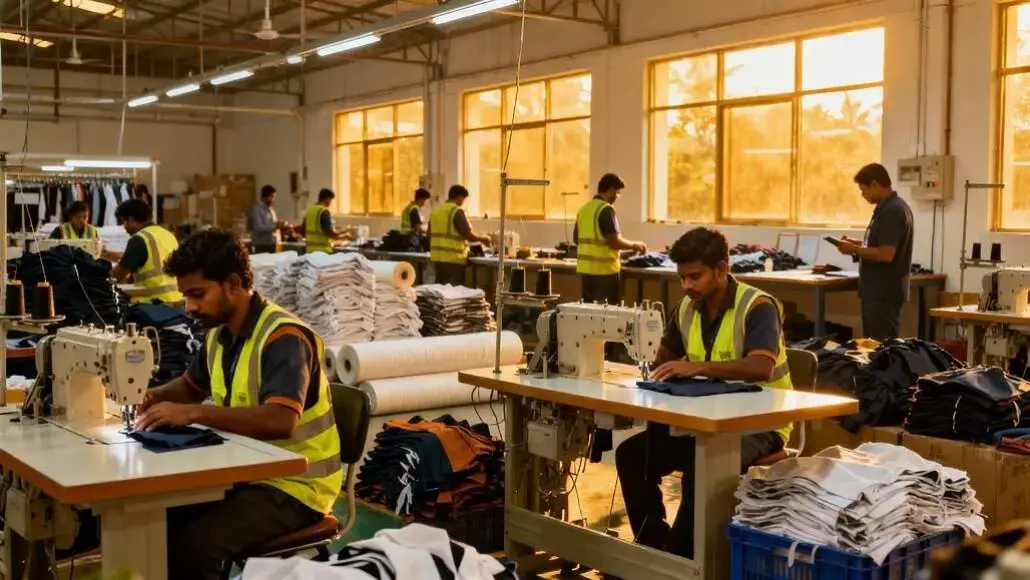
The garment industry remains a cornerstone of the national economy, supporting over 350,000 jobs and representing up to 45% of total outbound shipments. The importance of these EU trade preferences was underscored in late 2018 when Sri Lanka apparel exports surpassed the $5 billion mark shortly after the restoration of the trade status.
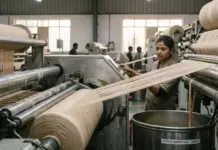
However, the sector faces persistent apparel sector challenges, particularly regarding the utilization of these benefits. Current data suggests that the utilization rate remains between 49% and 59%, largely due to stringent “rules of origin.” These rules require garments to be produced from domestically manufactured yarn, yet many producers currently rely on imported textiles. JAAF has noted that increasing this rate will require strategic investments in local fabric production and potential negotiations for more flexible trade rules.
Income Status and Future Market Access
The timeline for securing these preferences is tightening as the World Bank’s July 2026 classification of the country as an upper-middle-income nation brings it closer to the GSP+ graduation threshold. If this economic status is sustained for three consecutive years, the country risks losing its eligibility for the scheme entirely.
To prevent a transition to Most Favoured Nation tariffs by 2029, JAAF advocates for an early Sri Lanka GSP+ reapplication in 2027. EU Ambassador Carmen Moreno recently observed that while the scheme has provided benefits, the manufacturing sector’s contribution to the GDP remains lower than that of other export-led economies. Moreno suggested that further industrial investment and internal reforms are necessary to fully leverage available preferences.
As global market pressures continue to affect Sri Lanka apparel exports, which saw an 11.46% decline in early 2026, the industry remains focused on strengthening GSP+ compliance. Addressing these apparel sector challenges before the 2027 deadline is viewed as a vital step for ensuring long-term stability in the European market.