





















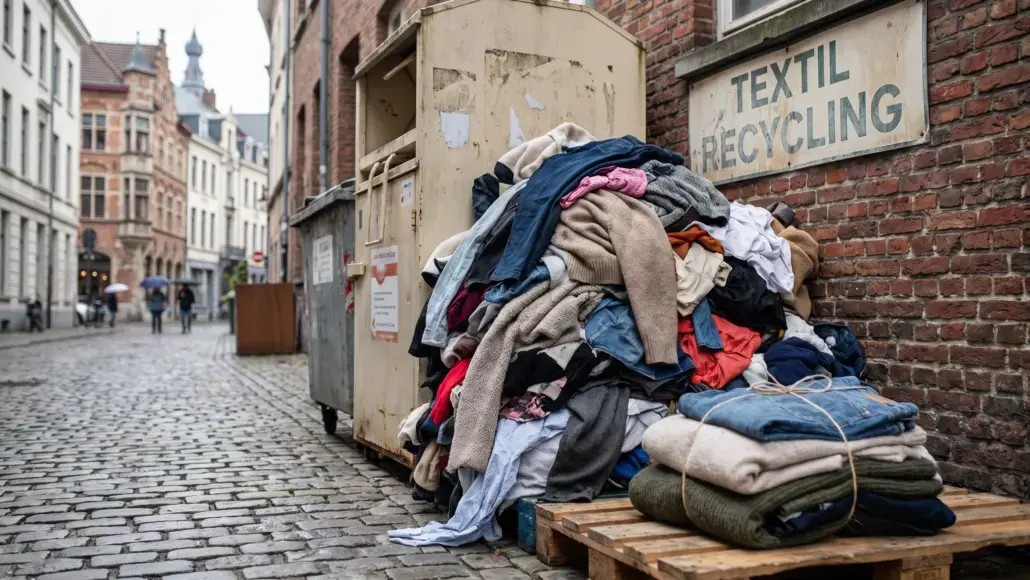
The European Union is moving forward with a set of regulatory proposals designed to tackle the mounting environmental damage caused by the textile industry, particularly the fast fashion segment, which has long been criticised for its throwaway culture and excessive overproduction. The proposals form part of a broader European strategy to shift the industry toward a circular economy model, where garments are designed to last longer, be reused, and ultimately recycled rather than discarded.
The textile sector is among the most resource-intensive industries on the planet. In the European Union alone, textiles account for the fourth highest negative impact on the environment and climate, following food, housing, and mobility. The production of clothing and household textiles consumes enormous volumes of water, land, and raw materials, while generating significant levels of greenhouse gas emissions and chemical pollution. These textile waste regulations are thus a direct response to a well-documented environmental crisis.
What the EU’s Proposals Actually Cover
Extended Producer Responsibility
One of the central pillars of the EU’s approach is Extended Producer Responsibility, or EPR. Under this framework, companies that place textile products on the European market would be held financially and operationally responsible for what happens to those products at the end of their life. This means producers and brands would need to fund the collection, sorting, and recycling of used textiles, incentivising them to design products that are easier to reuse and recycle from the outset.
Extended producer responsibility schemes are not new to Europe — they have been applied to packaging, electronics, and batteries for years — but their application to textiles represents a meaningful expansion. The intent is clear: if a brand profits from selling garments, it must also bear accountability for the environmental cost of those garments once consumers are done with them.
Ecodesign Requirements
Alongside EPR, the EU’s regulatory push includes ecodesign requirements that would set minimum standards for textile products sold within the bloc. These standards are expected to cover durability, repairability, recyclability, and the presence of hazardous substances. The goal is to ensure that garments are no longer designed for short-term use but are instead built with longevity and end-of-life consideration in mind.
The ecodesign approach also challenges fast fashion directly. By establishing baseline product quality thresholds, the regulations would make it more difficult for companies to flood the market with cheaply made, short-lived garments that quickly end up in landfills or incinerators.
A Digital Product Passport
The EU also intends to introduce a Digital Product Passport for textile items. This passport would carry detailed information about a garment’s composition, origin, and environmental footprint, accessible through a digital tag or QR code. Consumers, recyclers, and regulators would be able to access data about what a garment is made of, where it came from, and how it should be handled at the end of its life.
The Digital Product Passport is viewed as a transparency mechanism that supports both informed consumer choices and efficient sorting and recycling processes further down the value chain.
Fast Fashion and Overproduction in the Crosshairs
The Scale of the Problem
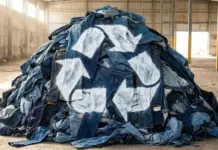
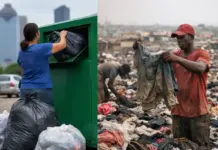
Europe is grappling with a significant textile waste problem that has worsened with the rise of ultra-fast fashion. Europeans use approximately 26 kilograms of textiles per person each year and discard around 11 kilograms annually. The vast majority of discarded textiles are either incinerated or sent to landfill, with only a small fraction being collected for reuse or recycling.
Much of this waste is directly attributable to the fast fashion model, which is built around rapid production cycles, low prices, and the constant release of new collections. This business model encourages consumers to buy more and keep garments for shorter periods, dramatically increasing the volume of textile waste generated across Europe.
Tackling Unsold Stock
The EU proposals also seek to address the controversial practice of destroying unsold goods, something that drew widespread public attention when major fashion brands were found to be incinerating or discarding large quantities of unsold inventory. The new regulations would restrict or prohibit the destruction of unsold textile products, pushing companies to find alternative means of dealing with excess stock, including redistribution, donation, or resale.
This is a significant regulatory move that challenges a deeply embedded commercial practice within the fashion industry, particularly at the luxury end of the market, where brand exclusivity has sometimes been used to justify the destruction of goods rather than allowing them to be discounted or donated.
Sustainable Fashion as a Policy Priority
The EU’s textile regulations sit within a broader policy architecture that includes the European Green Deal and the Circular Economy Action Plan, both of which set ambitious targets for reducing Europe’s overall environmental footprint. Sustainable fashion has become a recognised policy priority within this framework, with the textile industry identified as a sector in urgent need of structural reform.
The circular economy approach being promoted by Brussels does not simply call for recycling more — it calls for rethinking the entire production and consumption model. This includes designing products differently, using fewer virgin raw materials, extending the useful life of garments through repair and reuse, and ensuring that materials can be recovered and cycled back into production at the end of a product’s life.
EU textile policy is increasingly shaping the regulatory environment in which European and international brands operate, and companies selling into the European market will need to adapt their practices accordingly.
Industry Response and the Road Ahead
The fashion and textile sector has reacted to the proposals with a mixture of cautious acceptance and concern. Industry groups have broadly acknowledged the need for action on textile waste but have raised questions about implementation timelines, compliance costs, and the risk of competitive disadvantage for European producers relative to manufacturers operating in markets with less stringent regulation.
Recyclers and sustainability advocates, on the other hand, have largely welcomed the direction of the proposals, while some have pushed for more ambitious targets and faster timelines. The development of textile waste regulations at this scale is seen as necessary to drive investment in collection infrastructure, sorting technology, and fibre-to-fibre recycling capacity, all of which currently remain underdeveloped across Europe.
The legislative process is ongoing, and the final shape of the regulations will be determined through negotiations between the European Commission, the European Parliament, and member states. However, the overall direction is firmly set: the EU is committed to making the textile industry more circular, more transparent, and significantly less wasteful.
For an industry as global and complex as fashion, these regulations carry implications well beyond Europe’s borders. Brands and manufacturers worldwide that supply to European consumers will need to align with these requirements, effectively raising the baseline standard for textile production on a global scale. Textile waste regulations of this scope represent a structural shift in how the industry is expected to operate, and sustainable fashion is no longer a voluntary aspiration but an emerging legal obligation within the European market.