






















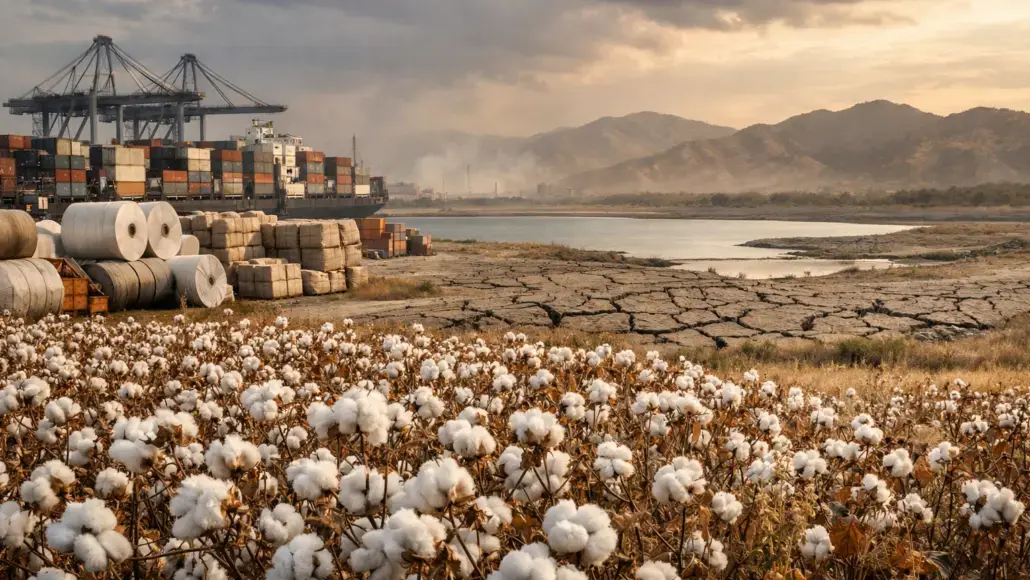
The global textile industry is preparing for potentially significant supply chain disruptions as the effects of El Niño — the climate phenomenon characterized by abnormally warm Pacific Ocean surface temperatures — begin to ripple through key cotton and fiber-producing regions around the world.
El Niño textile supply dynamics are drawing heightened attention from sourcing managers, brand executives, and industry analysts who are increasingly monitoring weather pattern developments for their downstream impact on raw material availability, pricing, and lead times.
A Weather Pattern With Wide-Reaching Consequences
El Niño episodes are known to trigger a cascade of weather extremes across different parts of the globe simultaneously — drought in some regions, excessive rainfall in others. For the textile and apparel industry, which depends heavily on agricultural outputs like cotton, this kind of climate volatility translates directly into uncertainty at the sourcing level.
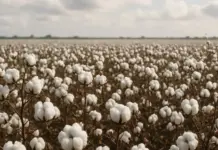
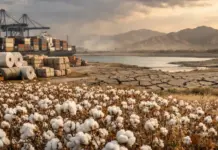
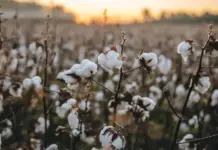
Cotton production in major growing regions including South Asia, Sub-Saharan Africa, and parts of the Americas is particularly vulnerable. When rainfall patterns shift unpredictably, harvests can fall short of projected yields, leading to supply shortfalls that tighten availability and push up raw material costs along the entire textile supply chain.
Cotton Production Under Pressure
Cotton, as the backbone of much of the global textile trade, sits at the center of El Niño-related concern. Erratic weather events associated with this climate cycle can damage crops at multiple stages — from planting through to harvest — creating gaps between global demand and actual supply.
Industry stakeholders are closely watching developments in cotton-growing belts that have historically shown vulnerability during El Niño cycles. Reduced yields in even one or two major producing countries can create supply chain tightening that brands and manufacturers feel months later when they are already committed to production schedules.
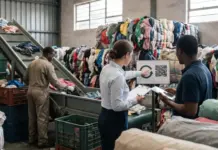
The concern is not only about volume. Quality of fiber sourcing can also be affected when crops are stressed by drought or floods, leading to lower-grade raw materials entering the supply pipeline and potentially affecting the end quality of finished textile goods.
Sourcing Strategies Under Review
As awareness of the El Niño textile supply challenge grows, many companies across the industry are revisiting their sourcing strategies to assess where they hold the greatest exposure. Diversification of supply base, increased inventory buffering, and closer dialogue with suppliers are among the steps being considered by procurement teams navigating this period of heightened climate risk.
Fiber sourcing decisions that were previously made with relatively stable weather assumptions now need to be stress-tested against climate scenarios that are anything but predictable. For brands with long lead-time supply chains — particularly those sourcing from regions identified as high-risk under current El Niño forecasts — the pressure to act early is significant.
Broader Supply Chain Implications
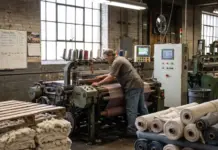
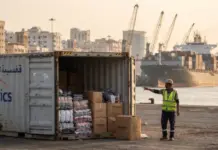
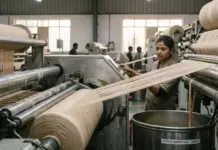
Beyond raw material availability, the effects of El Niño on textile supply chains extend to logistics, port operations, and agricultural labor availability in affected regions. Flooding can disrupt road and rail infrastructure critical to moving goods from farm to factory, while drought can strain water supplies needed for textile processing — an industry that relies heavily on water at multiple stages of manufacturing.
Climate disruption of this kind also has the potential to compound existing supply chain pressures, including those related to energy costs, transportation constraints, and shifting trade policies, making it harder for industry players to isolate and manage individual risk factors.
Industry Vigilance Remains High
Across the textile and apparel sector, the recognition that climate events like El Niño are not isolated, short-term disruptions but recurring features of an increasingly volatile operating environment is shaping longer-term thinking around supply chain resilience.
The intersection of El Niño, textile supply chains, and cotton production underscores a broader truth the industry has been grappling with for years: that environmental risks are now inseparable from commercial risk management. Companies that can anticipate, adapt, and build flexibility into their fiber sourcing and supply networks are better positioned to weather these cycles than those still operating on assumptions of stable conditions.
With El Niño conditions currently active and forecasts pointing to continued impacts across key agricultural zones, the textile industry’s near-term supply outlook remains one of cautious vigilance rather than confidence.