


























Two of the fashion industry’s most recognisable names, Levi Strauss & Co and Marks & Spencer, have joined forces to launch the Fashion Renewable Collaborative, a collective initiative aimed at helping fashion suppliers transition to renewable electricity at scale. The programme is open to fashion brands across the industry, with the broader goal of supporting manufacturers in adopting practical and proven pathways toward supply chain decarbonisation.
The initiative has already attracted notable early traction. Nearly 500 supplier facilities have registered with the collective, a figure that the group says reflects growing industry appetite for structured, actionable routes to reducing emissions across fashion supply chains.
Practical Support at the Core of the Initiative
The Fashion Renewable Collaborative is designed to go beyond awareness and intention. By combining brand engagement with hands-on implementation support, the collective aims to make renewable energy adoption genuinely accessible for suppliers — many of whom have historically faced barriers in understanding or accessing viable solutions.
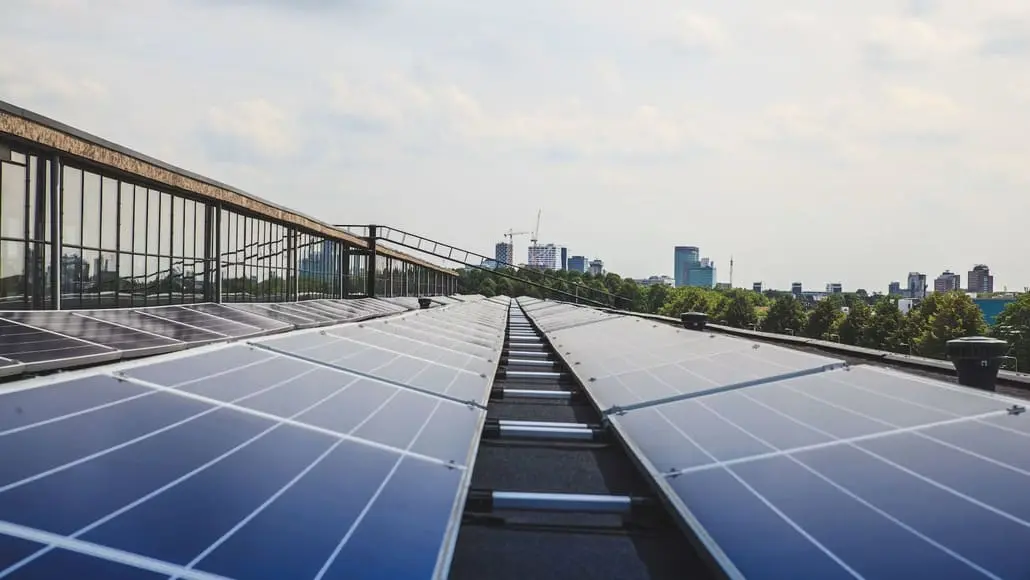
Suppliers participating in the initiative will gain access to a broad range of support mechanisms, including power purchase agreements, energy attribute certificates, on-site and distributed renewable generation, energy storage solutions, and other established decarbonisation pathways. Participating brands, meanwhile, stand to benefit from the efficiencies and shared momentum that a collective approach can deliver.
Schneider Electric’s SE Advisory Services is playing a key enabling role in the programme, offering its Resource Advisor+ for Supply Chain product to assist suppliers throughout the process — covering onboarding, engagement tracking, readiness assessments, and ongoing progress monitoring.
M&S Ties Initiative to Its Net Zero Commitment
For Marks & Spencer, the Fashion Renewable Collaborative is a direct extension of its existing sustainability commitments. Katharine Beacham, Head of Sustainability and Materials in Fashion, Home & Beauty at M&S, explained that the initiative builds on work already underway through Re:Spark, the retailer’s supply chain decarbonisation programme.
“At M&S, we know that real change happens when we collaborate. Through our sustainability programme, Plan A, we’re committed to becoming a net zero business across our value chain by 2040, and that means working with others to make the transition to renewable electricity easier for our supply partners,” she said.
“Building on the work already underway through Re:Spark, our supply chain decarbonisation programme, the Fashion Renewable Collaborative will provide practical support, resources and greater access to renewable electricity, helping suppliers take action and facilitating change in the fashion supply chain.”
Levi’s Points to Partnership as the Path Forward
Jennifer DuBuisson, Senior Director of Sustainability at Levi Strauss & Co, emphasised that collaboration with suppliers has proven to be the most effective route when it comes to reducing emissions — and that the new collective formalises and expands on work the brand has already been pursuing.
“It’s become abundantly clear that the most effective way forward on emissions reduction is working in partnership with suppliers,” she said. “Initiatives like this create better working relationships and a more effective path forward. The Fashion Renewable Collaborative enables greater support of suppliers that want to access or would like to increase use of renewable electricity but haven’t been able to so far, helping facilitate adoption while reducing unnecessary duplication.”
She added that the initiative is a natural extension of efforts already underway with Levi’s own suppliers, and expressed enthusiasm for bringing that experience into a broader collaborative effort with M&S and SE Advisory Services.
Industry-Wide Participation Encouraged
Both brands have made clear that the Fashion Renewable Collaborative is not an exclusive club. Fashion brands from across the industry are invited to join the scheme, with the collective hoping to create enough scale and shared infrastructure to make sustainable fashion supply chain transformation a realistic and attainable goal — not just for large brands with extensive resources, but for suppliers of all sizes seeking to act on renewable energy adoption.