

























H&M Partners for Electric Thermal Tech in Vietnam

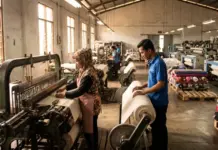
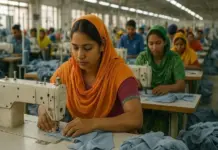
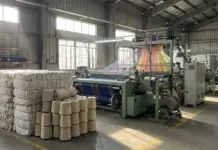
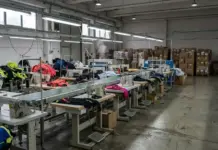
Note* - All images used are for editorial and illustrative purposes only and may not originate from the original news provider or associated company.

Subscribe

- Never miss a story with notifications

- Browse free from up to 5 devices at once

- Gain full access to our premium content

Media Packs

Expand Your Reach With Our Customized Solutions Empowering Your Campaigns To Maximize Your Reach & Drive Real Results!
โ€“ Access The Media Pack Now!
โ€“ Book a Conference Call
โ€“ Leave Message for us to Get Back

Related stories

Textiles Recycling Awards Finalists Announced Ahead of Inaugural Ceremony at Textiles Recycling Expo

Theย organisersย of theย Textiles Recycling Expoย are delighted to announce theย finalistsย for the...

Washington University Team Pioneers Protein-Based Textile Fibers with Rapid, Repeatable Recycling

In the global textile industry, waste generation and microplastic...

Challenge Fashion Advances Major Textile Manufacturing Expansion in Pakistan

Chinese textile manufacturing leader Challenge Fashion is proceeding with...
AI Summary

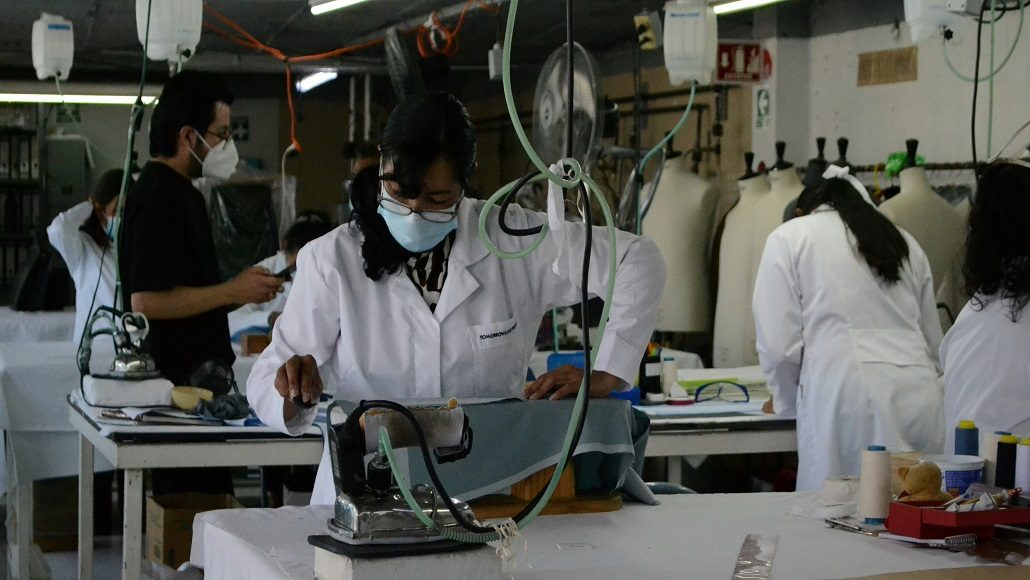
Vietnam’s textile and apparel industry is set to make a significant shift towards electric thermal technology later this year with the installation of the country’s inaugural steam-generating heat pump at a garment factory located near Hanoi.

This initiative is the result of a partnership among the Apparel Impact Institute (Aii), WWF, H&M Group, and textile manufacturer Bangjie, whose Hung Yen facility provides products for the Swedish fashion retailer.

This pilot project represents the first electrification venture within Vietnamโ€™s textile sector, which plays a vital role in the nation’s economy and contributes significantly to its carbon emissions. The electric heat pump is designed to replace traditional coal-fired boilers, fulfilling the factory’s steam and heating needs in a cleaner and more efficient manner.

Additionally, this project is aligned with H&M Groupโ€™s objective to reduce supply chain emissions by 56% by 2030.

Textile production heavily relies on thermal energy, which constitutes over half of the industry’s total energy consumption. Steam and hot water are essential for processes such as dyeing, washing, bleaching, and drying.

The new system will utilize waste heat generated from factory operations to facilitate dyeing, drying, and setting processes, while also enhancing indoor air quality through cooling.

This initiative is part of Aiiโ€™s Low Carbon Thermal Energy Roadmap, which aims to promote early-stage electrification projects to foster adoption and drive down costs over time.

Never miss a textile headline

The textile industry moves fast โ€“ stay on top of it with our must-read briefings.

  • The top textile stories, straight to your inbox
  • The biggest news, features, interviews, and analysis
  • Dedicated coverage of the key developments driving global textile trade

Latest stories

Related stories

Textiles Recycling Awards Finalists Announced Ahead of Inaugural Ceremony at Textiles Recycling Expo

Theย organisersย of theย Textiles Recycling Expoย are delighted to announce theย finalistsย for the...

Washington University Team Pioneers Protein-Based Textile Fibers with Rapid, Repeatable Recycling

In the global textile industry, waste generation and microplastic...

Challenge Fashion Advances Major Textile Manufacturing Expansion in Pakistan

Chinese textile manufacturing leader Challenge Fashion is proceeding with...

Subscribe

- Never miss a story with notifications

- Gain full access to our premium content

- Browse free from up to 5 devices at once

Media Packs

Expand Your Reach With Our Customized Solutions Empowering Your Campaigns To Maximize Your Reach & Drive Real Results!

โ€“ Access The Media Pack Now!
โ€“ Book a Conference Call
โ€“ Leave Message for us to Get Back