





























A new investigation by labour-rights groups is challenging fashion brands’ claims that they can champion living wages while still demanding ever-cheaper basics. In a report published last month, Swiss watchdog Public Eye and the Clean Clothes Campaign argue that the EU’s pricing for cotton T-shirts one of the world’s most widely traded apparel items has declined sharply in real terms, pushing cost pressure down supply chains and onto workers’ pay and conditions.
The report examines EU cotton T-shirt imports, describing the bloc as the largest import market for the product. It finds that the average price paid for a cotton T-shirt rose only modestly in nominal terms between 2001 and 2024, from $2.15 to $2.67. Adjusted for inflation, however, the change amounts to a sustained decline: the authors calculate that the import price fell by roughly 3.1% per year in real terms effectively halving the value of the product over the period. The report’s central question is blunt: if consumers are not paying more, where are the savings being extracted?
Bangladesh at the centre of the EU supply chain
Public Eye and Clean Clothes focus closely on Bangladesh because it supplies the majority of the EU’s cotton T-shirt imports. The report estimates that 61% of EU T-shirts come from Bangladesh, and notes that in 2024 the average import price from the country was even lower than the EU mean, at $2.06 per shirt.
Using detailed trade data, the report says roughly one-fifth of Bangladesh’s cotton T-shirt exports in 2025 were purchased by six major retailers and brand groups: Bestseller, Primark, H&M Group, Inditex (Zara), LPP and Fast Retailing (UNIQLO). Because garments vary in weight, the report compares pricing by kilogram rather than by piece. It states that Fast Retailing paid the highest average price at $16.95 per kg, while LPP paid the lowest at $10.11 per kg. By comparison, the report puts the overall EU import price at about $16 per kg and the Bangladesh-specific average at around $13 per kg.
Across all six companies, the report concludes that price movements from 2021 to 2025 translate into real decreases once inflation is taken into account adding to the argument that downward pressure on cotton T-shirt prices has persisted even as brands publicly expand social and sustainability commitments.
Brands dispute figures; report points to factory pressure
When approached with the findings, all brands except Fast Retailing disputed the report’s numbers, according to the authors. H&M said: “The figures you shared in the attached document do not match those in our internal systems,” in a statement provided to the NGOs. The report places H&M’s average at $12.82 per kg, ranking it fourth among the six brands.
Primark, Inditex, Bestseller and LPP also questioned the analysis, saying it did not reflect factors such as changes in product mix, composition, efficiency gains, shifting order patterns and fluctuations in cotton costs.
The report argues that efficiency alone cannot explain the scale of the decline. T-shirt manufacturing is relatively standardised, it notes, with limited room for major technical breakthroughs or skills upgrades. Instead, the authors point to a different set of explanations: heavier workloads, tougher output targets, corners cut on sustainability, or the shifting of production into cheaper and more precarious settings. “Instead, an abundance of evidence points to intensified work pressure, higher production targets, neglect of sustainability aspects, or outsourcing to cheaper and even more precarious work settings,” the report said.
How prices get set
To understand the mechanics behind falling cotton T-shirt prices, the researchers interviewed nine pricing specialists and managers in Bangladesh who deal with Global North brands, along with three buying-house representatives and six managers from medium-to-large T-shirt-focused factories. The picture that emerges is one of highly constrained negotiation.
One interviewee described buyers as “systematically creating a market crisis” by insisting on fixed price targets. Another said factories accept unsustainable deals simply to stay operational: “Factory owners here are desperate to survive, so they accept any price,” the report quotes.
The consequences, the NGOs argue, show up in wages and conditions. Bangladesh’s minimum wage is among the lowest in major garment-exporting countries, at about $105 per month, while a family’s cost of living in Dhaka is nearly four times higher, the report says. It also estimates that wages represent only about 12% of the export price of a T-shirt shipped from Bangladesh.
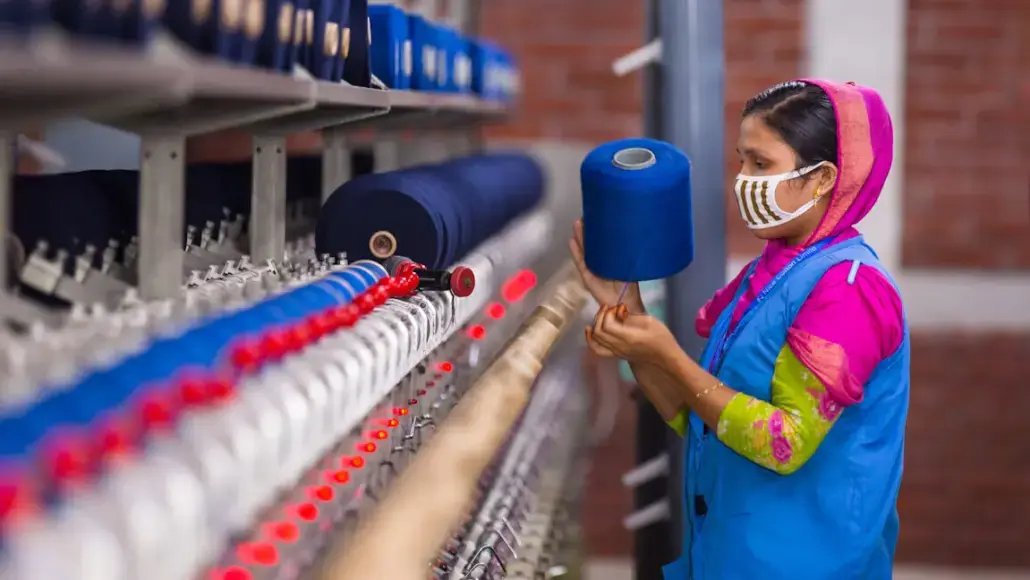
Factory managers told researchers that tighter prices also translate into higher production demands. “Earlier, our production target was 200 pieces of T-shirts per hour, but now we push the same workers to produce 250 pieces per hour just to stay profitable,” one merchandiser, quoted in the report, said.
Calls for higher purchasing prices
Public Eye and Clean Clothes argue that if brands want their human-rights pledges to carry weight, they must pay more. The report proposes a minimum price benchmark of about $18 per kg as a near-term step, rising to $30 per kg over the medium term to “support a structural transition toward … living wages.”
Kalpona Akter, president of the Bangladesh Garment and Industrial Workers Federation, argued that brand pricing practices undermine their stated values. “The fashion brands which brag about human rights policies actively contribute to the continuation of poverty wages by their downward pricing policy,” she said in a press release.
Yet interviews in Bangladesh suggest little optimism that negotiations will change quickly. One merchandiser said brands frequently demand reductions during weak sales periods: “In fact they often ask for price reductions, saying sales aren’t good,” the interviewee said. “They market sustainability to boost their brand image and profit, but we don’t see the financial outcome of that on our end.”

