





























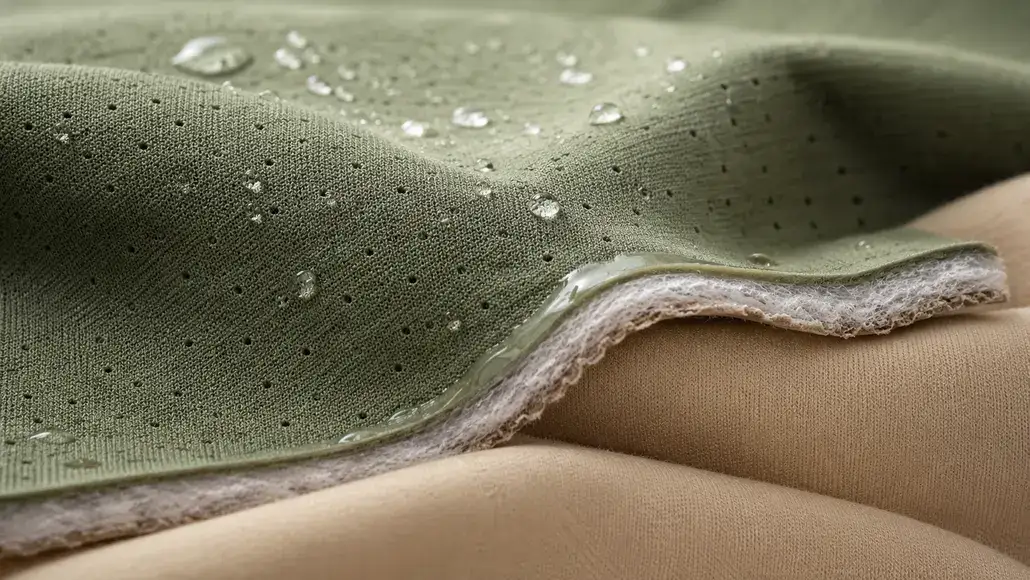
The landscape of modern activewear is undergoing a remarkable evolution as the industry shifts its focus toward materials that are as ecologically responsible as they are technically proficient. At the forefront of this movement are bio based performance fabrics, which represent a significant departure from the petroleum-dependent synthetics that have dominated the market for decades. These innovative textiles are derived from renewable biological sources ranging from corn and sugarcane to algae and castor beans and are engineered to meet the rigorous demands of professional athletes and fitness enthusiasts alike. By leveraging the inherent properties of natural polymers and combining them with advanced manufacturing techniques, developers are creating a new generation of activewear that provides superior moisture management, thermal regulation, and durability without the heavy environmental toll of traditional plastics.
The drive toward bio-based materials is motivated by the urgent need to decouple the textile industry from its reliance on fossil fuels. Traditional synthetics like polyester and nylon are essentially forms of plastic, and their production contributes significantly to global carbon emissions. Bio based performance fabrics offer a pathway to a more sustainable future by utilizing feedstocks that sequester carbon as they grow. This biological origin does not mean a compromise in quality; instead, it provides a unique set of material properties that can be optimized for specific athletic applications. As research into synthetic biology and polymer science continues to advance, the potential for these materials to outperform traditional synthetics is becoming increasingly clear.
The Science of Renewable Fiber Technology
The development of bio based performance fabrics is rooted in the ability to convert plant sugars, oils, and even atmospheric carbon into high-quality polymers. Unlike traditional polyester, which is synthesized from crude oil, bio-polyesters and bio-nylons utilize biomass as their primary feedstock. For example, polylactic acid (PLA), derived from fermented plant starch, is being refined to create fibers that offer excellent breathability and natural flame resistance. Similarly, castor bean oil is being utilized to produce bio-nylons that are significantly lighter and more abrasion-resistant than their conventional counterparts. These materials are engineered to have the same molecular structure as their petroleum-based equivalents, ensuring they can be processed using existing textile machinery.
However, the innovation does not stop at simple replacement. Scientists are also developing entirely new types of bio-polymers that have no direct petroleum-based equivalent. These novel bio based performance fabrics can be designed with specific functional groups that enhance their ability to bond with dyes, resist microbial growth, or provide superior stretch and recovery. The engineering challenge lies in ensuring that these biological inputs can be processed into fibers that withstand the high-intensity stress of athletic activity, such as repeated stretching, friction, and exposure to sweat. Recent breakthroughs in polymerization and fiber extrusion have enabled these materials to match, and in some cases exceed, the performance benchmarks of virgin petroleum-based fabrics, making them a viable and desirable choice for high-end activewear.
Enhancing Comfort and Functional Performance
One of the most compelling aspects of bio based performance fabrics is their inherent compatibility with human physiology. Many of these fibers possess natural antimicrobial properties, which help to reduce odor-causing bacteria without the need for chemical finishes that can wash out over time. This is a significant advantage for activewear, which is often subjected to high levels of perspiration. Furthermore, the molecular structure of certain plant-based fibers allows for superior moisture absorption and quick-drying capabilities. For athletes, this translates to improved comfort during long training sessions and better temperature control in varying climates.
The tactile quality of these fabrics is also a major differentiator; they often provide a softer, more “natural” feel against the skin compared to the sometimes abrasive texture of recycled plastics. Bio-based textiles can be engineered to have a silk-like sheen or a cotton-like softness, providing designers with a wider palette of textures to work with. By prioritizing both the sensory experience and the functional requirements of the wearer, bio-based textiles are proving that sustainability does not require a compromise in athletic excellence. The psychological benefit of wearing materials that are perceived as cleaner and more natural also resonates strongly with modern consumers who are increasingly mindful of the chemicals they come into contact with daily.
Reducing the Carbon Footprint of Production
The environmental benefits of bio based performance fabrics extend far beyond their renewable origins. The production processes for these materials typically require less energy and generate fewer greenhouse gas emissions compared to the extraction and refining of fossil fuels. Because the raw materials are plants that absorb CO2 as they grow, the overall lifecycle emissions are significantly lower. Innovative manufacturers are also exploring the use of “carbon-negative” fibers, where the amount of carbon captured by the raw material such as algae or specifically bred crops exceeds the emissions generated during the processing and manufacturing stages.
This holistic approach to manufacturing allows activewear brands to offer products that contribute directly to global climate goals. Additionally, bio based performance fabrics often require fewer toxic chemicals during the dyeing and finishing processes. Some bio-polymers are inherently receptive to natural dyes or can be dyed using waterless technologies, further reducing the environmental impact. As the technology scales and production costs decrease, the integration of these bio-materials into existing textile supply chains is becoming more efficient, allowing for a broader adoption of eco-responsible practices across the entire sportswear industry. This transition is not just about the final product, but about cleaning up the entire industrial ecosystem that supports its creation.
Algae and Microbial Fermentation Innovations
Some of the most exciting developments in bio based performance fabrics involve the use of non-terrestrial feedstocks. Algae-based fibers, for instance, are gaining traction because algae can be grown rapidly in controlled environments without competing with food crops for land or water. These fibers are not only renewable but also biodegradable and can be enriched with nutrients that provide skin-care benefits to the wearer. Similarly, microbial fermentation is being used to “brew” high-performance proteins, such as synthetic spider silk. These proteins can be spun into fibers that are incredibly strong and lightweight, offering a level of performance that is difficult to achieve with traditional plastics.
These lab-grown bio based performance fabrics represent the next frontier of material science. By harnessing the power of nature’s most efficient organisms, manufacturers can create textiles that are specifically tailored for high-performance applications. For example, a fermentation-derived fiber could be programmed to have specific elastic properties in one direction and high tensile strength in another. This level of precision is opening up new possibilities for garment construction, where the material itself contributes to the athlete’s performance in a way that was previously unimaginable. These innovations are transforming activewear from a simple covering into a bio-engineered performance system.
Durability and the Lifecycle of Bio-Textiles
A common misconception regarding bio-based materials is that they are less durable or more prone to degradation than traditional synthetics. On the contrary, bio based performance fabrics are engineered for longevity and are often superior in their resistance to pilling, fading, and stretching. High-performance bio-nylons, for instance, are being used in professional-grade mountaineering and cycling gear where material failure is not an option. The durability of these fibers ensures that the garments remain functional for years, reducing the frequency of replacement and the total volume of textile waste. This longevity is a key pillar of sustainability, as the most eco-friendly garment is one that stays in use for a long time.
Additionally, the industry is working toward ensuring that these fabrics are compatible with existing recycling infrastructure. While some bio-polymers are biodegradable under specific industrial conditions, the primary focus for performance gear remains on recyclability. By creating bio based performance fabrics that can be reclaimed and reprocessed through chemical recycling, manufacturers are aligning renewable materials with the principles of a circular economy. This means that a sugarcane-derived shirt can be recycled back into a new shirt multiple times, preserving the energy and resources that went into its initial creation. This approach ensures that bio-based materials do not just provide a “green” start to a product’s life but also contribute to a sustainable end-of-life solution.
Market Adoption and Consumer Demand
The shift toward bio based performance fabrics is also being propelled by a more conscious and informed consumer base. Today’s athletes are increasingly aware of the environmental impact of their gear, from the microplastics shed during washing to the carbon footprint of production. This demand is encouraging major activewear brands to invest heavily in research and development, leading to a surge in bio-material collaborations. From high-profile footwear launches featuring bio-based foams to premium yoga wear made from seaweed-derived fibers, the market is seeing a rapid diversification of sustainable offerings.
These products are often positioned at the intersection of luxury, performance, and ethics, appealing to users who value high-tech functionality and are willing to pay a premium for responsibly made goods. As awareness grows, the presence of bio-based labels is becoming a hallmark of quality and innovation in the competitive activewear landscape. Brands that successfully integrate bio based performance fabrics into their core collections are finding that they can build deeper loyalty with consumers who share their commitment to planetary health. This market pull is essential for providing the scale needed to make bio-based materials a standard part of the global textile industry.
The Role of Policy and Certification
The growth of bio based performance fabrics is also supported by a robust system of certifications and supportive policies. Standards like the Global Recycled Standard (GRS) and various bio-based certifications provide consumers with the assurance that the materials they are buying are truly derived from renewable sources. Furthermore, many governments are providing incentives for the development of bio-refineries and sustainable textile hubs, fostering an environment where innovation can thrive. These policies are helping to level the playing field against established petroleum-based industries that have benefited from decades of subsidies and infrastructure development.
For the activewear industry, these certifications are a vital tool for preventing greenwashing and ensuring that the benefits of bio based performance fabrics are accurately communicated. By adhering to transparent standards, brands can demonstrate their progress toward sustainability goals and provide verifiable data to their stakeholders. As the regulatory environment continues to evolve, the use of bio-based materials is likely to move from a voluntary sustainability initiative to a core requirement for doing business in major global markets. This institutional support is a powerful catalyst for the long-term success of the bio-textile revolution.
Future Perspectives in Bio-Material Innovation
As we look to the future, the potential for bio based performance fabrics appears almost limitless. We are seeing the early stages of lab-grown fibers that offer unprecedented strength-to-weight ratios and unique aesthetic qualities. The next frontier involves the “programming” of these biological materials at the molecular level to respond to environmental stimuli such as changing their porosity in response to heat or moisture or even changing color to indicate UV exposure. This level of intelligent design will redefine what we expect from activewear, transforming it from a static covering into a dynamic, bio-responsive system.
The continued synergy between biotechnology, synthetic biology, and textile engineering will ensure that the sportswear of tomorrow is not only powered by nature but is also capable of protecting it. We may soon see garments that are grown in vats rather than woven on looms, or fabrics that can actively repair themselves using microbial processes. The journey toward bio based performance fabrics is a testament to human ingenuity and our ability to find solutions that align our athletic aspirations with the health of the earth. By embracing these innovations, the activewear industry is carving out a truly sustainable and high-performing path forward for generations to come.