




























The global sports apparel industry is currently navigating a profound structural transformation, moving away from the traditional linear model of production and toward a restorative, circular framework. This shift is not merely a response to environmental pressures but a strategic evolution driven by breakthroughs in material science and a fundamental rethinking of how athletic gear is designed, used, and reclaimed. At the heart of this transition lies circular textile innovation, a multifaceted approach that prioritizes the longevity of resources and the elimination of waste at every stage of the product lifecycle. For decades, the performance-driven nature of sportswear necessitated the use of complex synthetic blends that were difficult to recycle, leading to a significant environmental footprint. However, recent advancements are proving that high-performance metrics such as moisture-wicking, durability, and elasticity can be achieved within a closed-loop system that keeps fibers in circulation indefinitely.
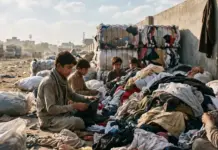
The transition toward circularity is necessitated by the sheer volume of textile waste generated by the global apparel sector. Traditionally, the “take-make-dispose” model resulted in millions of tons of synthetic materials ending up in landfills or being incinerated each year. In the sports sector, the challenge was compounded by the use of multi-component materials, where different fibers are blended to achieve specific technical properties. Circular textile innovation addresses this by developing new recycling technologies that can separate and purify these blends without degrading the quality of the resulting fibers. This allows for a continuous loop where a running jersey can be reclaimed, broken down to its molecular components, and reconstituted into a new high-performance garment of equal or even superior quality.
The Evolution of Sustainable Performance Materials
The traditional manufacturing process for activewear has long relied on virgin petroleum-based synthetics like polyester and nylon. While these materials offer the technical qualities athletes demand, their end-of-life reality often involves environmental degradation. The emergence of circular textile innovation has fundamentally challenged this status quo by introducing sophisticated recycling technologies that maintain the molecular integrity of fibers. Chemical recycling, in particular, has become a cornerstone of this movement, allowing for the breakdown of complex textile waste into its original monomers. These building blocks can then be repolymerized into new high-quality yarns that are indistinguishable from virgin materials. This process ensures that a running shirt or a pair of compression tights can be reclaimed and transformed into a new garment without any loss in performance characteristics, effectively decoupling growth from resource extraction.
Furthermore, the industry is seeing a rise in the use of recycled ocean plastics and post-consumer waste as primary feedstocks for sports apparel. This not only cleans up existing environmental pollution but also reduces the energy consumption associated with the production of virgin synthetics. By integrating these materials into the circular textile innovation cycle, brands are able to offer products that have a significantly lower carbon footprint while still meeting the rigorous demands of professional athletes. The scalability of these technologies is a key focus, with large-scale processing plants now coming online that can handle thousands of tons of textile waste, turning what was once a liability into a valuable resource for the global sports market.
Designing for Disassembly and Longevity
A critical component of a circular economy in textiles is the concept of designing for disassembly. In the past, the construction of sports apparel often involved a mixture of different fibers, adhesives, and trims that made separation nearly impossible during the recycling phase. Today, leading innovators are focusing on monomaterial construction, where an entire garment is made from a single type of polymer. This simplification significantly enhances the efficiency of the recycling process, as the material can be processed directly without the need for complex and costly sorting or separation steps. Circular textile innovation in design also includes the use of removable trims, such as snap buttons or zippers that can be easily detached, further facilitating the recovery of high-quality fiber feedstock.
Moreover, the concept of circularity extends to the physical durability of the product. A garment that lasts longer reduces the overall demand for new materials and slows down the flow of waste into the system. High-performance sportswear is now being engineered with reinforced stitching, abrasion-resistant panels, and colorfast dyes that withstand the rigors of intense athletic activity and frequent washing. By extending the primary lifespan of a product, circular textile innovation reduces the total environmental impact per wear. Techniques such as 3D knitting and ultrasonic welding are being utilized to create seamless, durable products that not only perform better but also age more gracefully, ensuring that they remain in the “active” phase of their lifecycle for as long as possible before entering the recycling stream.
Bridging the Gap Between Waste and Resource
The concept of waste is being redefined as a valuable resource within the sportswear sector. Textile-to-textile recycling is no longer a niche experimental project but a scaling industrial reality. Innovations in sorting technology, utilizing near-infrared spectroscopy and artificial intelligence, allow facilities to accurately identify and separate fabrics based on their chemical composition at high speeds. This precision is vital for creating the pure feedstock required for high-grade circular textiles. By precisely identifying the polymer types in a discarded garment, recyclers can ensure that the resulting materials meet the exacting standards required for performance sportswear.
Moreover, brands are increasingly implementing robust take-back programs that incentivize consumers to return their used gear. These initiatives create a reliable and high-quality supply of post-consumer waste, which is essential for fueling the circular textile innovation cycle. By establishing these domestic and international supply chains, manufacturers can reduce their reliance on volatile global markets for raw materials while simultaneously addressing the growing problem of textile waste. These programs also foster a deeper connection between the brand and the consumer, as athletes become active participants in the circular lifecycle of their gear. The data gathered from these returned garments also provides valuable insights for designers, helping them understand how products wear out and where improvements can be made to further enhance durability.
Advanced Molecular Recycling Techniques
At the cutting edge of circular textile innovation are molecular recycling techniques that go beyond mechanical shredding. These processes, such as glycolysis or hydrolysis, break down polyester and other synthetics into their base chemicals. This is particularly useful for dyed or finished fabrics that are difficult to recycle through traditional means. By stripping away the dyes and additives at the molecular level, recyclers can produce a “clear” polymer that can be used for any color or type of new fabric. This flexibility is a game-changer for the fashion industry, as it allows for the reuse of materials across different seasons and trends without compromising on aesthetic or performance requirements.
The energy efficiency of these molecular processes is also improving, with new catalysts being developed that lower the temperature and pressure required for the reactions. This further enhances the sustainability profile of circular textile innovation, making it a more viable alternative to the production of virgin materials. As these technologies mature, we can expect a future where the distinction between “recycled” and “virgin” disappears entirely, with all high-performance sportswear being derived from a continuous and sustainable molecular loop. This will fundamentally transform the economics of the textile industry, moving it away from a model of resource depletion and toward one of perpetual resource renewal.
The Role of Bio-Based Synthetics in Circularity
While recycled synthetics are a major focus, the integration of bio-based materials into the circular framework is equally significant. Researchers are developing polymers derived from agricultural byproducts, forestry waste, or even microbial fermentation that can be integrated into existing circular systems. These bio-synthetics offer a dual benefit: they reduce the carbon footprint of the initial production by sequestering carbon during the growth of the raw material, and they are often designed to be fully compatible with existing chemical recycling streams. Circular textile innovation in this space is focusing on ensuring that these new materials do not contaminate existing recycling loops but rather enhance them by providing fresh, renewable inputs.
The goal is to create a seamless ecosystem where both biological and technical nutrients are managed effectively. For example, a bio-based nylon could be used in a garment that is designed for multiple lifecycles through chemical recycling. At the very end of its useful life, if the molecular structure has been compromised beyond repair, the material could potentially be composted in an industrial facility, returning nutrients to the soil. This “butterfly” model of the circular economy, where materials flow through both biological and technical cycles, represents the ultimate vision for circular textile innovation in the sports apparel sector. It ensures that the industry can continue to innovate and grow without exceeding the planetary boundaries that sustain all life.
Impact on Global Supply Chains and Compliance
The adoption of circular textile innovation is also being accelerated by shifting regulatory landscapes and a demand for greater transparency. Governments across Europe and North America are introducing extended producer responsibility (EPR) legislation, which holds manufacturers accountable for the entire lifecycle of their products, including their end-of-life management. This legal pressure is compelling brands to invest in circularity not just as a marketing tool, but as a core operational requirement. Consequently, supply chains are becoming more localized and transparent, as brands seek to maintain control over their material flows and ensure that their products are being responsibly managed.
Digital tracking systems, such as blockchain and digital product passports, are being paired with physical textile innovations to provide a clear and immutable record of a garment’s origin, composition, and recycling history. This level of traceability ensures that the claim of “circularity” is backed by verifiable data, fostering trust between producers, athletes, and regulatory bodies. For the sports apparel industry, this means that every piece of gear will eventually carry a digital identity that informs recyclers exactly how to process it. Circular textile innovation is thus not just about the physical fabric, but about the digital infrastructure that enables a truly transparent and accountable global textile market.
Economic Implications of Circularity
The shift toward a circular model also carries significant economic implications for the sports apparel sector. While the initial investment in recycling technology and circular design can be high, the long-term benefits include reduced material costs and greater resilience against supply chain disruptions. By creating a closed-loop system, brands can insulate themselves from the price volatility of petroleum and other raw materials. Furthermore, the circular economy opens up new business models, such as rental, repair, and resale, which provide additional revenue streams while further extending the life of the products.
Circular textile innovation is also creating new jobs in the recycling, sorting, and repair sectors, contributing to a more sustainable and inclusive economy. As the infrastructure for circularity matures, the cost of recycled materials will continue to fall, making sustainable performance gear accessible to a wider demographic of athletes. This democratization of circularity is essential for the movement to achieve its full potential, ensuring that the benefits of innovation are shared by all participants in the global sports ecosystem. Ultimately, the successful integration of circularity into the core of the business model will be the defining characteristic of the most successful and resilient sports apparel brands of the future.
Future Horizons for Circular Sports Apparel
Looking toward the next decade, the trajectory of circular textile innovation suggests a future where the concept of “new” is permanently linked with “reclaimed.” We are likely to see the development of self-repairing fabrics and even more advanced molecular recycling techniques that can handle even the most contaminated textile waste with minimal energy input. The integration of artificial intelligence in design will further optimize material usage, ensuring that every gram of fiber is utilized with maximum efficiency. As these technologies achieve greater economies of scale, circularity will transition from a niche trend to the standard foundation for all global sports apparel production.
The ultimate success of this movement will be defined by the industry’s ability to normalize circularity in the eyes of the consumer. This requires clear communication about the benefits of circular products and the creation of easy-to-use systems for returning used gear. When an athlete buys a pair of running shoes or a workout shirt, they will not just be purchasing a product, but entering into a partnership with a brand that values the longevity and value of the materials used. Circular textile innovation is the engine that will drive this cultural and industrial shift, ensuring that the passion for sport is matched by a deep and enduring respect for the planet that makes it possible.

