














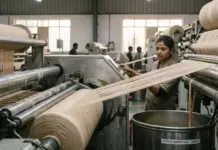











Europe’s tightening sustainability regulations are transforming the global bamboo apparel industry, encouraging brands to strengthen supply chain visibility and ensure that every environmental claim is supported by credible evidence.
According to Persistence Market Research, the global bamboo apparel market is projected to reach US$4.1 billion by 2033. As consumer expectations continue to evolve alongside stricter regulatory oversight, apparel manufacturers are being compelled to improve both operational transparency and sustainability reporting.
The bamboo apparel sustainability regulations introduced by the European Union are emerging as a major driver of this transition. At the heart of these policy changes is the EU Strategy for Sustainable and Circular Textiles, which promotes longer-lasting, repairable, and recyclable textile products entering the European market. The framework is expected to reshape product development and sourcing practices for manufacturers serving EU customers.
Another significant regulatory measure is the proposed Green Claims Directive, which would require brands to scientifically substantiate environmental claims through independent verification before promoting products as sustainable. The initiative aims to improve consumer confidence while reducing misleading environmental marketing practices across the textile and apparel sector.
For bamboo apparel manufacturers, these developments present both opportunities and challenges. Companies capable of demonstrating responsible sourcing, verified production processes, and transparent environmental performance may strengthen their competitive position in European markets. Conversely, businesses relying on broad or unsupported sustainability messaging could face regulatory action, reputational risks, and declining consumer trust.
Persistence Market Research notes that stricter claim verification requirements are encouraging manufacturers to invest in supply chain traceability, certification programmes, and independent auditing systems. These initiatives help companies document the journey of raw materials from origin to finished garment while ensuring compliance with increasingly demanding regulatory standards.
Across the industry, businesses are placing greater emphasis on responsible sourcing practices and internationally recognised certifications. Enhanced traceability systems and third-party verification have become essential tools for demonstrating compliance with European sustainability expectations and reinforcing confidence among retailers, investors, and consumers.
The bamboo apparel sustainability regulations also reflect changing consumer behaviour. Market research indicates that more than 60% of apparel shoppers now consider sustainability an important purchasing factor, with younger consumers paying particular attention to product transparency, ethical sourcing, and environmental accountability. As a result, brands are increasingly expected to provide detailed, evidence-based information about their products rather than relying on general sustainability claims.
The EU’s evolving regulatory framework is largely intended to combat greenwashing by ensuring that environmental marketing is accurate, measurable, and supported by reliable scientific data. Companies that fail to meet these standards risk losing credibility as well as access to one of the world’s most influential apparel markets.
Although North America currently represents the largest regional market for bamboo apparel, Europe’s regulatory direction is expected to influence global trade practices and sustainability standards. Manufacturers supplying international brands are therefore adapting their operations to align with the EU’s higher expectations for transparency and compliance.
Innovation continues to advance the bamboo textile sector through technologies such as closed-loop manufacturing systems and improved fibre blends that enhance product performance while reducing environmental impact. However, regulatory compliance has become just as important as technological advancement, making sustainability verification an essential component of product development and commercialization.
As the global bamboo apparel industry continues to expand, companies with transparent supply chains, independently verified sustainability credentials, and scientifically supported environmental claims are likely to gain a competitive advantage. In an increasingly regulated marketplace, robust compliance practices are becoming a critical factor for long-term business growth and continued access to international markets.