






















PHNOM PENH — The Cambodian government and Germany have officially entered into an agreement for the second phase of the Sustainable Textile Industry (FABRIC Cambodia II) project. This initiative, facilitated by the German development agency GIZ, is designed to assist the garment and textile sector in its transition toward green production. The technical cooperation also aims to ensure the industry meets international standards to maintain competitiveness among global buyers.
Strengthening Sustainable Supply Chains through GIZ Cooperation
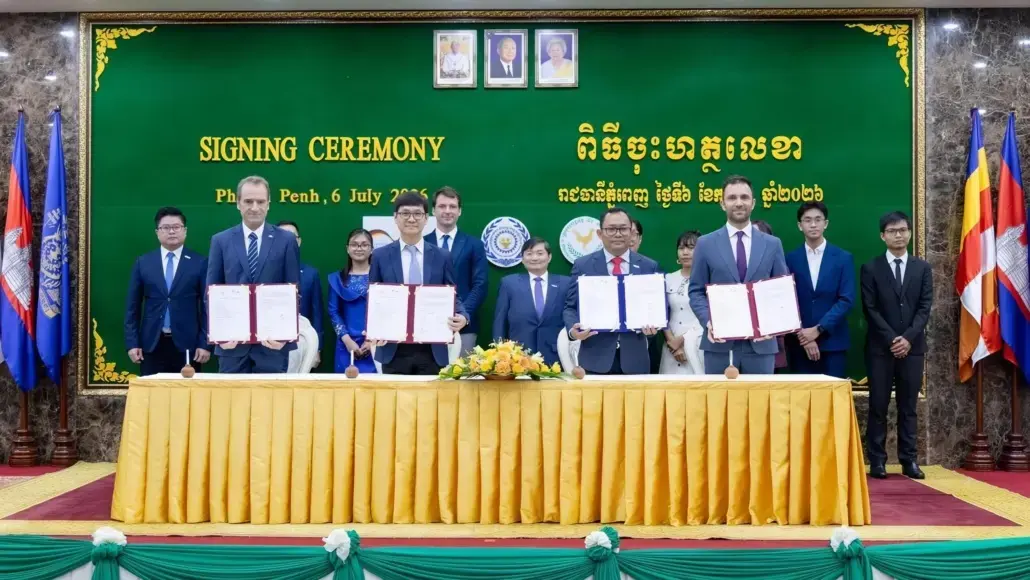
The agreement was signed on July 6 by representatives from the Ministry of Labour and Vocational Training, the Ministry of Economy and Finance, and GIZ. As a primary initiative of the German development agency, FABRIC Cambodia focuses on deepening the collaboration between public and private sectors. The project is structured to promote sustainable supply chains and enhance sustainability across the garment, footwear, and travel goods industries. By providing technical guidance, the project helps local factories align with international social and environmental requirements.
Heng Sour, the Minister of Labour and Vocational Training, stated that the agreement represents a commitment to transforming shared objectives into tangible benefits for workers and the national economy. He noted that GIZ provides more than financial aid, offering institutional strengthening, policy dialogue, and capacity building. Sour highlighted that the first phase of the project successfully improved labor inspections and occupational safety. The current phase will further prepare the country to meet international standards, including environmental, social, and governance (ESG) criteria and human rights and environmental due diligence (HREDD).
Economic Growth and Global Compliance
The garment and footwear sectors remain vital drivers of economic growth through exports. According to Minister Sour, the industry is currently adapting to a global rise in demand for green production and responsible business practices. The government is prioritizing environmental sustainability and legal compliance as part of its long-term development strategies. The success of the Sustainable Textile Industry project relies on the active participation of the government, employers, trade unions, and international brands.
Christof Weigelmeier, deputy head of mission and head of development cooperation at the German Embassy, expressed that Germany is proud to support the development of the garment industry. He emphasized that FABRIC Cambodia II will promote labor rights and environmental protection while helping the sector remain competitive in global sustainable supply chains. This support is also intended to assist Cambodia in its transition as it prepares to graduate from the Least Developed Country category by 2029.
The second phase of the Sustainable Textile Industry project is scheduled to run until October 2027. The program targets a wide range of stakeholders, including civil society organizations, government institutions, and workers. Key activities include providing training on due diligence, promoting labor rights, and supporting the regulatory environment to ensure the sector meets all necessary international standards.