




























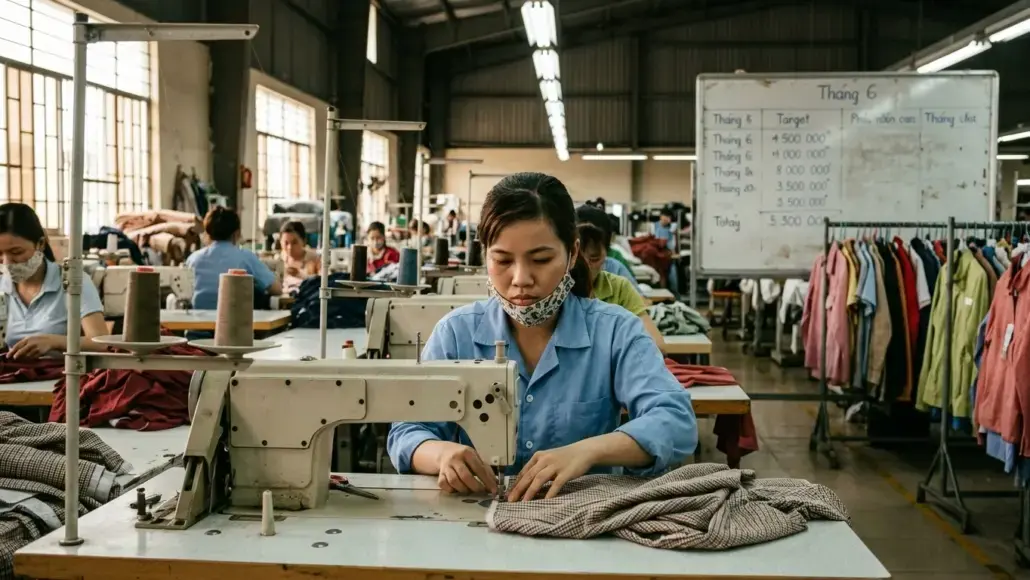
In recent legislative updates regarding international trade concessions, the United States has excluded Vietnam from newly proposed trade measures that offer duty relief and tariff concessions for select overseas manufacturers. This exclusion under the latest Vietnam US textile break provisions means that garment producers operating in Vietnam will continue operating under standard duty schedules, without receiving special duty waivers granted to other qualified trade partners.
The policy framework specifically impacts apparel shipments entering American ports. While competing nations benefit from lowered trade barriers, manufacturers in Vietnam remain bound to full import duty assessments. Industry representatives note that the lack of inclusion in this Vietnam US textile break initiative directly affects pricing dynamics for major retail buyers who rely heavily on South East Asian production networks.
Trade analysts highlight that foreign exports in the textile sector face stringent regulatory conditions, including origin tracing and strict trade compliance standards set by United States authorities. Because current tariff reductions do not apply to Vietnamese goods, international buyers seeking cost relief may re-evaluate sourcing agreements across the region.
Impact on Apparel Shipments and Export Tariff Rates
Despite ongoing diplomatic discussions regarding non-market economy status and bilateral trade normalization, the latest United States legislative decision maintains existing tariff structures for Vietnamese apparel shipments. Consequently, exports originating from local facilities must satisfy standard customs rates, leaving the national textile industry to compete without preferential duty concessions.

