






























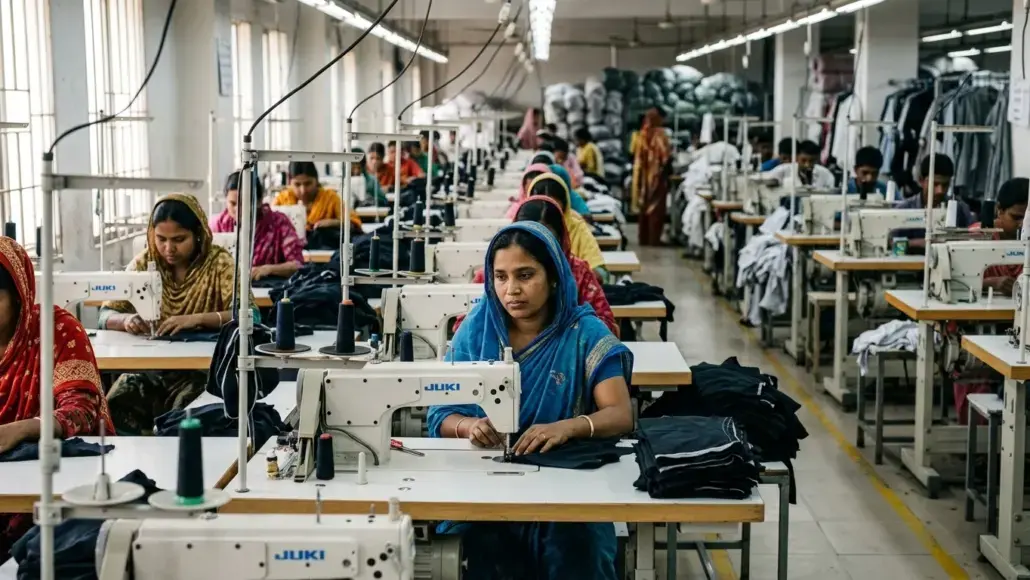
The Bangladesh garment industry is closely monitoring developments as US importers begin to receive US duty refunds previously paid under a specific reciprocal tariff regime. While Bangladeshi exporters initially encountered a tariff peak exceeding 37 percent, the rate was subsequently adjusted multiple times, eventually settling at 19 percent effective April 10, 2025. The distribution of this financial burden varied significantly across the supply chain, as some buyers requested substantial price concessions from suppliers while others maintained existing pricing structures.
Processing of US Duty Refunds and Market Impact
The current administration in the United States has already disbursed approximately $100 billion in refunds. This action follows a pivotal February ruling by the US Supreme Court, which determined that emergency powers had been improperly utilized to impose duties on dozens of international trading partners. Prior to this judicial decision, the administration had collected an estimated $166 billion from US-based importers. These developments have provided a clear pathway for US Tariff Refund Claims to be processed for those impacted by the previous trade policies.
Compensation Strategies for Bangladeshi Exporters
Mohammad Hatem, the president of the BKMEA, has stated that suppliers deserve compensation for the price deductions they accepted to offset the weight of reciprocal tariffs. Representatives for US buyers sourcing from the region have acknowledged that Bangladeshi exporters should be made whole in instances where they absorbed a portion of the tariff costs.
Although direct financial transfers may encounter regulatory obstacles, the BKMEA suggests that recovery could be structured through alternative means. These include:
- Adjusted pricing on future contracts
- Increases in total business volumes
- Targeted concessions on air freight and logistical costs
Exporters operating under Landed Duty Paid (LDP) agreements represent a unique segment of the garment industry, as these suppliers are contractually responsible for customs duties and reciprocal tariffs. While these entities have a distinct route for pursuing US Tariff Refund Claims, the BGMEA has noted that precise data regarding the exact percentage of US-bound shipments sent under LDP terms is not currently available.

