





























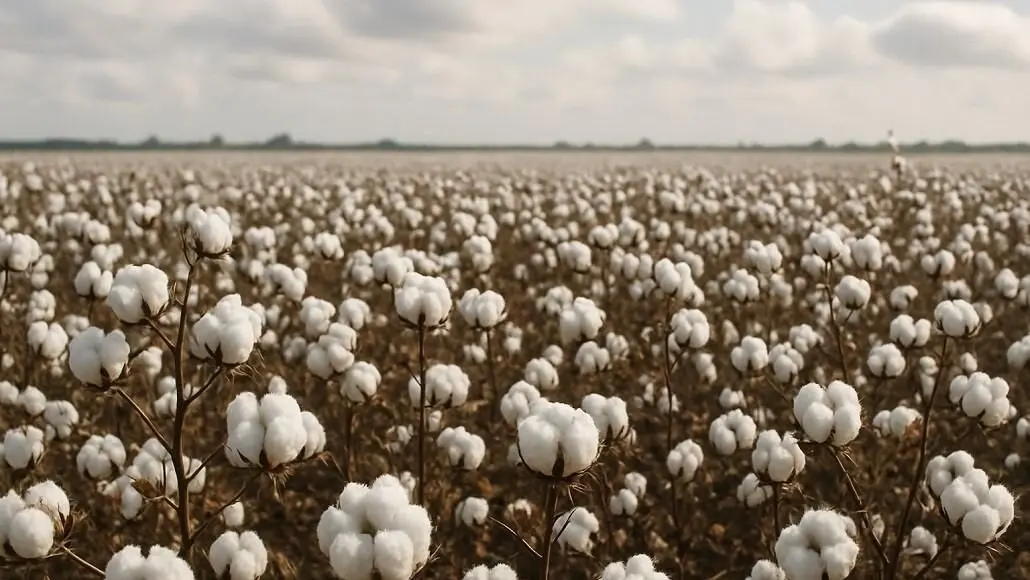
The cotton market continues to navigate a complex interplay of production prospects, consumption expectations and broader macroeconomic conditions. Price direction in global cotton markets remains closely tied to how supply develops in key growing regions alongside demand signals emerging from the textile and apparel industry.
Global Supply and Demand: The Balancing Act
Cotton prices are currently being shaped by a careful balance between available global supplies and international demand. The United States remains a critical player in global cotton trade, with export activity and domestic crop prospects playing a meaningful role in determining how well supply and demand align across international markets.
Currency fluctuations have added another layer of sensitivity to cotton prices, with developments across major producing and consuming nations continuing to influence market direction. The interplay between these variables makes price forecasting particularly challenging for stakeholders across the cotton value chain.
Regional Pricing: Pakistan in Focus
Regional market dynamics add further nuance to the broader global picture. In Pakistan, cotton prices have recently been recorded at approximately 78 cents per pound, equivalent to roughly PKR 17,800 per maund, according to Cotton Incorporated’s July update. This regional pricing data underscores the variation that exists between different markets and highlights the localised pressures that producers and buyers must contend with alongside global benchmark movements.
Implications for Textile Manufacturers and Yarn Spinners
For textile manufacturers and yarn spinners, raw cotton price movements carry direct consequences for procurement planning and cost management. Rising raw cotton costs can compress margins, particularly when the ability to pass on higher input costs to downstream buyers remains limited.
The impact on downstream markets, however, will not hinge on raw cotton prices alone. Yarn demand, mill operating rates, apparel orders and the capacity of brands and manufacturers to absorb or transfer cost increases will all determine how price shifts ripple through the textile value chain.
Yarn and Fabric Costs: The Central Question
The key issue for the wider textile industry is whether firmer cotton prices will translate into higher yarn and fabric costs — particularly if demand improves at the same time that mills are already operating under tighter margins. This convergence of rising input costs and demand recovery could place significant pressure on manufacturers who are caught between cost-side pressures and pricing constraints in competitive apparel markets.
What Lies Ahead for Cotton Markets
Cotton market trends are likely to remain sensitive to changes in both production and consumption dynamics in the months ahead. Any shifts in crop conditions, export availability or textile demand have the potential to influence benchmark prices and alter the current supply-demand equilibrium.
For participants across the broader textile value chain — from ginners and spinners to garment manufacturers and global apparel brands — staying attuned to evolving cotton market conditions will be essential for sound commercial decision-making. Whether cotton prices sustain their current levels or adjust in response to new data, their downstream effect on yarn demand and fabric pricing will remain a closely watched consideration.