




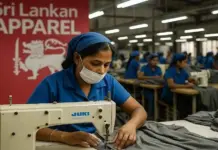
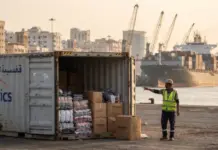
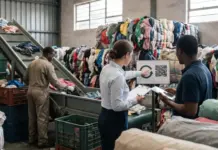




















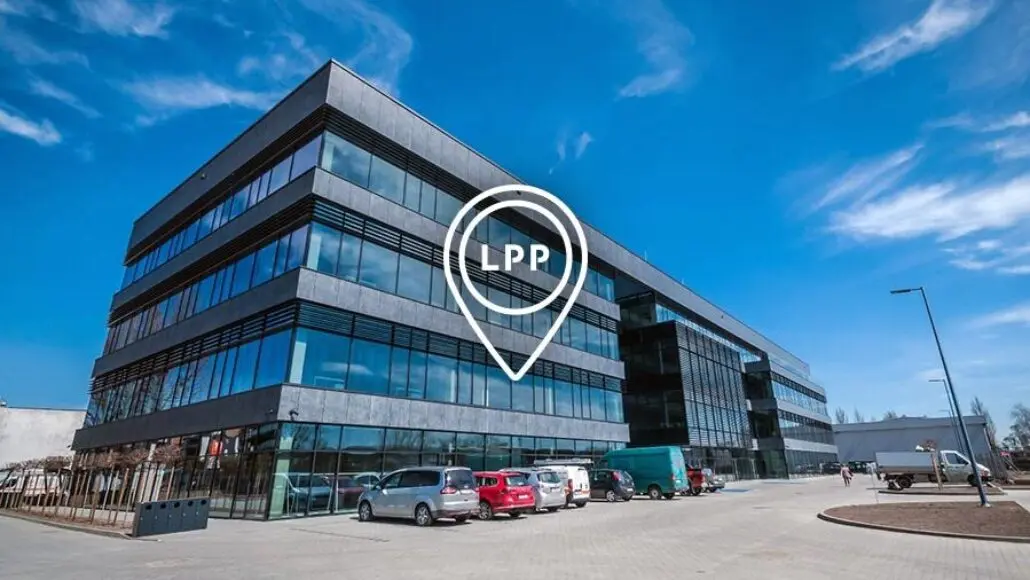
The Polish fashion retail group LPP SA, which manages brands including Reserved, Cropp, and Sinsay, has officially suspended its LPP SA Bangladesh sourcing operations. This decision follows a series of escalating financial disagreements involving approximately $40 million in outstanding payments owed to local garment manufacturers.
Industry representatives and leaders from the Bangladesh Garment Manufacturers and Exporters Association (BGMEA) have confirmed that the Polish retailer stopped issuing new orders after suppliers reported significant delays in payment processing. The apparel export dispute centers on allegations from Bangladeshi exporters regarding withheld funds for goods that have already been produced or shipped to the buyer.
Operational Strain Within the Bangladesh Garment Industry
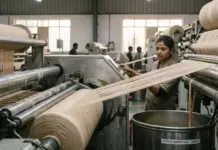
According to industry sources, dozens of apparel exporters are currently facing severe financial pressure due to the $40 million in unsettled dues. While exporters have noted that the buyer requested ungrounded price reductions and delayed payments beyond the contractually agreed timelines, representatives from the buyer’s side have reportedly pointed toward quality concerns, delivery delays, and broader global retail challenges as the primary reasons for the payment settlement delays.
The situation has reached a critical stage, prompting the BGMEA to mediate between factory owners and the Polish retail giant. Despite efforts to resolve these financial liabilities through dialogue, the suspension of LPP SA Bangladesh sourcing was enacted as negotiations reached a standstill.
Trade Associations Demand Resolution to Protect Textile Trade Relations
The suspension of activities by LPP SA is viewed as a notable development for the Bangladesh garment industry, given that the company has been a prominent European buyer with a rapidly expanding presence in Central and Eastern Europe. BGMEA President Mahmud Hasan Khan stated that such large-scale disputes create significant operational distress for local factories, directly impacting cash flow, raw material procurement, and the ability to meet worker wage obligations.
The Bangladesh Knitwear Manufacturers and Exporters Association (BKMEA) has also adopted a firm position on the matter. BKMEA President Mohammad Hatem confirmed the receipt of the suspension notification but emphasized the necessity of a swift payment settlement for the work already completed.
Hatem indicated that while the choice to continue sourcing remains with the brand, the failure to address the outstanding $40 million could lead to the company being blacklisted within the country. Furthermore, the association intends to bring the matter of LPP SA’s alleged non-compliance to the attention of the European Union and various international buyer forums to protect future textile trade relations. Currently, the BGMEA continues to work with legal advisors and trade officials to recover the unpaid funds and stabilize this apparel export dispute with the local garment manufacturers.

