




























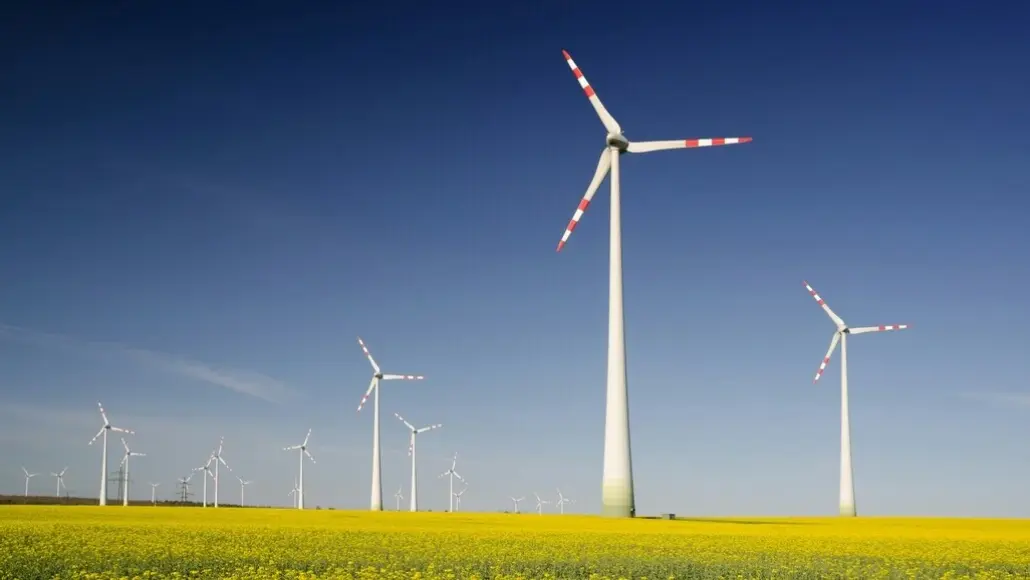
Canadian athletic apparel giant Lululemon has announced a significant renewable energy investment in a dedicated fund, marking a pivotal step toward accelerating its global supply chain decarbonization efforts. This strategic move is designed to bolster the company’s ambitious 2030 climate targets by expanding renewable electricity capacity, primarily within its crucial China manufacturing operations.
Lululemon’s participation in this fund underscores its commitment to fostering a more sustainable apparel industry. The fund, managed by Schroders Capital’s Infrastructure team, focuses on late-stage wind and solar energy projects throughout China. This initiative is expected to enable Lululemon to achieve the equivalent of 100% renewable electricity for its extensive supplier network in Mainland China, based on projected electricity consumption by 2030. Several wind projects, with capital already deployed from the fund, are currently under construction and anticipated for completion later this year.
Driving Impact Agenda 2030 and Climate Targets
This renewable energy investment forms a cornerstone of Lululemon’s broader Impact Agenda 2030. A key component of this agenda is a science-based target to reduce Scope 3 greenhouse gas emissions intensity by 60% by 2030, using a 2018 baseline. Given that the majority of Lululemon’s emissions originate within its supply chain, increasing the adoption of renewable energy among its manufacturing partners is fundamental to reaching these critical climate targets. The company’s goal also aligns with a commitment to achieve net-zero emissions across its full value chain by 2050.
Noel Kinder, Senior Vice President of Sustainability at Lululemon, emphasized the strategic importance of this approach. He stated, “Decarbonizing global supply chains requires new approaches to capital deployment and collaboration.” Kinder further noted that the fund establishes a scalable model for expanding access to renewable energy in manufacturing regions while simultaneously reducing complexity for suppliers. This proactive stance not only strengthens Lululemon’s commitment to supply chain decarbonization but also positions it as a leader in sustainable apparel.
Collaborative Efforts for Broader Change
The investment complements Lululemon’s ongoing sustainability initiatives, which include strategic partnerships with leading industry organizations. These collaborations involve the Apparel Impact Institute, the Asia Clean Energy Coalition, and CEBA’s Clean Energy Procurement Academy. These alliances reflect Lululemon’s dedication to collective action, supporting solutions that extend beyond its own operations to accelerate industry-wide progress towards greener practices. The move has been positively received, with environmental groups like Stand.earth applauding it as a “significant step” beyond previous commitments. Analysts also highlight this as a “replicable model” for other brands seeking to enhance their supply chain decarbonization efforts in the global fashion industry.