






















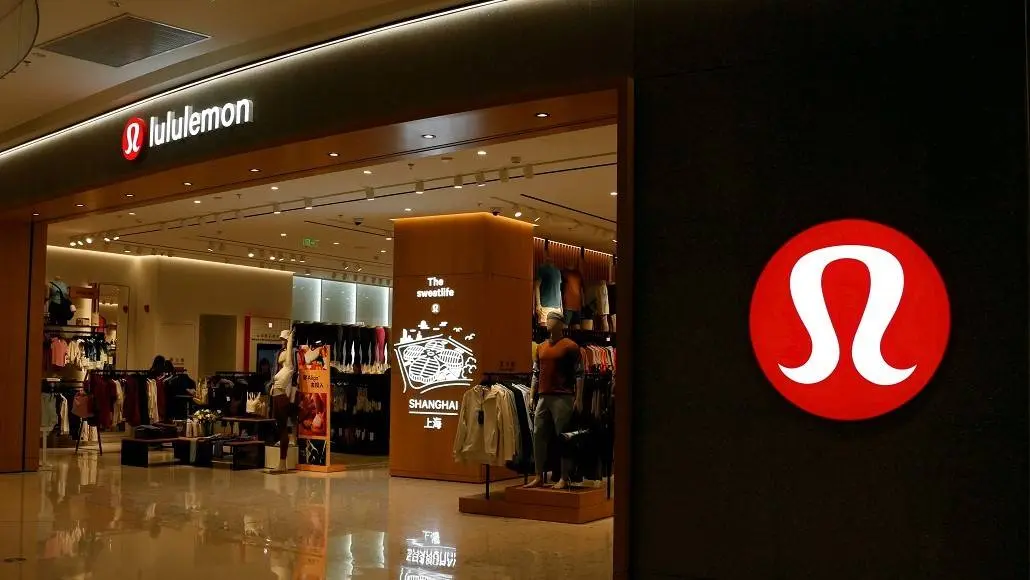
French start-up Syntetica has successfully closed a $30 million Series A funding round, drawing significant investment from major industry players. The announcement confirms that Lululemon Backs Syntetica alongside manufacturer MAS Holdings as the sector intensifies its search for scalable solutions in synthetic fiber recycling. This capital injection is earmarked for the construction of Syntetica’s inaugural commercial demonstration facility in France, where the firm intends to industrialize its proprietary method for processing textile waste.
Advancing the Nylon Recycling Process
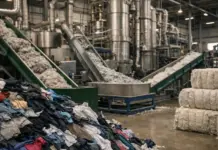
The core of Syntetica’s innovation lies in a patented nylon recycling process that allows for the simultaneous recovery of Nylon 6 and Nylon 6,6. Unlike traditional methods that necessitate the labor-intensive separation of different nylon types prior to treatment, this technology is engineered to handle mixed nylon waste. By removing the requirement for pre-sorting, the company aims to significantly increase the volume of post-consumer textiles that can be diverted from landfills and transformed into sustainable apparel materials.
Strategic Investment and Market Context
The funding round was spearheaded by Bpifrance’s Ecotechnologies 2 fund. Other notable participants included Swen Capital Partners, EQT Ventures, and various family offices associated with prominent names such as Peugeot, Etam, and the primary shareholder of Indorama Ventures. The push for improved synthetic fiber recycling comes at a time when global nylon production has reached approximately 7 million tons annually. Despite this volume, recycled nylon currently represents only 2 percent of the market due to the technical complexities inherent in the circular fashion industry.
Overcoming Technical Barriers in Textile Recycling
The industry has long struggled with the limitations of textile recycling technology when dealing with complex garment constructions and blended fibers. Marco Bertone, co-founder and CEO of Syntetica, addressed these challenges directly. “For decades, mixed nylon waste has been considered too complex and too expensive to recycle at scale. We have shown that it is possible to recover high-value materials from the waste streams the industry has historically written off. This funding allows us to move from breakthrough chemistry to industrial reality and accelerate the transition to more circular materials,” Bertone stated. The new nylon recycling process is expected to bridge the gap between laboratory success and large-scale industrial application.
Industrial Scaling and Future Operations
Syntetica, founded by Bertone and Louis Monsigny, has already established early-stage relationships with brands such as Victoria’s Secret and Etam. The upcoming demonstration site will be situated within Michelin’s Centre for Sustainable Materials in Clermont-Ferrand, France. This facility is designed to transition the company’s operations toward full-scale production, with an initial target of processing several hundred tons of textile waste each year. As Lululemon Backs Syntetica, the move underscores a broader commitment within the circular fashion industry to secure high-quality sustainable apparel materials and reduce the environmental footprint of virgin synthetic production.