























Tanzania and Brazil are aligning their efforts under an International Labour Organization programme aimed at reducing child labour in cotton, pairing social protection measures with practical changes to farm work and productivity. The collaboration sits within the ILO’s Cotton Wealth Decent Work project, which is designed to improve conditions in cotton-growing communities while addressing the economic pressures that often push children into agricultural labour.
According to local outlet Tanzania Insight, the two countries recently convened a three-day conference that brought together government representatives and industry stakeholders to map out next steps for tackling child labour risks in the cotton sector. Discussions focused on strengthening working conditions, improving safety standards and expanding the social protection mechanisms that can help vulnerable households rely less on children’s labour.
Speaking at the event, ILO national project coordinator Glory Blasio said the programme is intended to create safer workplaces, raise occupational health standards and reinforce social protection systems—measures that, taken together, are expected to reduce the likelihood of children entering farm work.
Blasio also pointed to household economics as a key driver in cotton-producing areas, where limited income can make children’s work feel like a necessity rather than a choice. She noted that financial hardship remains among the strongest underlying factors contributing to child labour in cotton, as some families depend on additional labour to stabilise earnings during peak farm seasons.
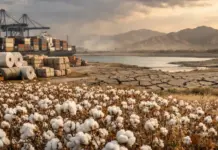
Cotton remains a critical crop for Tanzania, particularly in regions such as Simiyu, where it supports the livelihoods of thousands of smallholder farmers. But the labour demands of planting, weeding and harvesting have long created an elevated risk of child involvement, especially when families lack access to hired labour, mechanised tools or adequate social support.
Conference participants emphasised that progress will require coordination across multiple levels—government agencies, international partners and community leadership—to address root causes rather than only symptoms. Several speakers also highlighted the role of agricultural modernisation in reducing the dependence on manual labour.
Frank Kilimba, assistant director of social protection at Tanzania’s Prime Minister’s Office responsible for Labour, Youth, Employment and Persons with Disabilities, argued that technology and mechanisation can help shift the economics of cotton farming. By reducing the need for labour-intensive manual tasks, he said, modern practices can help raise productivity while lowering the pressure on families to supply extra hands from within the household.
Kilimba suggested that broader uptake of mechanised equipment and improved farming systems could reduce reliance on family labour and strengthen efforts to keep children in school, particularly during periods when farms traditionally need more workers.
Government officials also stressed the importance of community engagement and education campaigns, noting that changing practices requires sustained awareness-building in cotton-growing areas. Hadija Hensi, Simiyu regional labour officer, said ongoing outreach continues to promote schooling and remind communities of the legal framework: Tanzanian law prohibits the employment of children under 14.
Brazil’s involvement is viewed as strategically useful because of the country’s experience addressing child labour challenges in agriculture, including cotton. Officials said that knowledge-sharing and practical lessons from Brazil can help inform Tanzania’s approach as it adapts interventions to local realities.
The Cotton Wealth Decent Work project is part of wider international pressure to improve labour standards in cotton supply chains, as brands and consumers demand stronger safeguards and traceability. Tanzania Insight reported that the conference reflected a growing recognition that eliminating child labour will require a combined approach—stronger enforcement, economic support for vulnerable families, better access to education and sustained investment in farm modernisation.