
























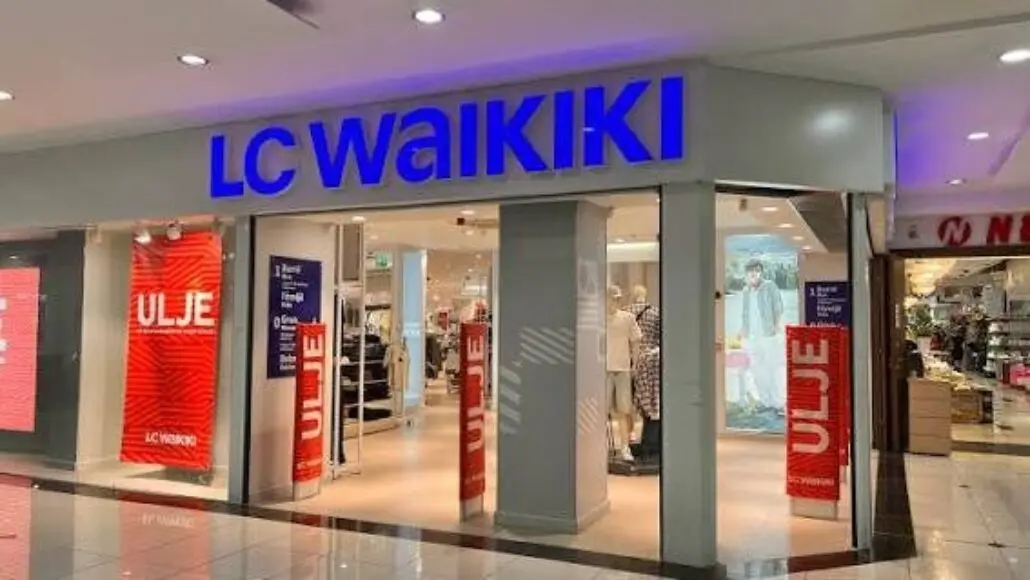
Syria’s textile and apparel sector is attracting renewed attention from Turkish garment companies as the country works to rebuild an industry left severely weakened by years of conflict. Leading Turkish retailer LC Waikiki has become the most prominent example of direct engagement, having commenced production at a new factory in Aleppo in June, while several other Turkish firms are actively evaluating investment opportunities across the country.
The Syria textile revival is gaining measurable momentum. Syrian media reported that the country received 234 investment applications covering the textile and ready-to-wear sectors during the first half of 2026 alone. These applications span new facility construction, upgrades to existing factories, and the restart of production lines that had gone idle during the war years. It is worth noting that these figures represent applications submitted rather than factories already operational on the ground.
To encourage participation, the Syrian administration is offering a range of support mechanisms for new production projects, including financing arrangements, customs concessions, and tax incentives. The policy framework also encompasses the revival of previously shuttered facilities and the expansion of those still functioning.
LC Waikiki Leads Turkish Entry with Retail and Manufacturing Expansion
LC Waikiki’s engagement with Syria predates the current recovery phase. The Turkish retailer had maintained a presence in the country prior to the war, including an established store and a locally registered company as part of its earlier network expansion efforts. The company opened its first post-war retail outlet at Damascino Mall in Damascus in May, stocking men’s, women’s, and children’s clothing lines.
Syrian reports further indicated that the company is planning additional outlets in Aleppo, Homs, Latakia, and a second Damascus location as part of a broader retail rollout across the country.
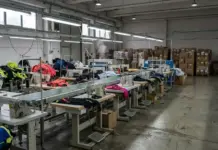
Running parallel to its retail push, LC Waikiki has opened its first factory in Syria at the Al-Rai Industrial City in the Aleppo countryside, where production is now underway. The plant currently employs 150 workers, with the company planning to scale that workforce up to 1,000 over the next three years. According to Syria’s Ministry of Economy and Industry, the facility is serving the local Syrian market while also exporting products to European Union countries and the UAE — an early signal that the Aleppo factory is being positioned for both domestic and international supply.
Other Turkish Firms Assess Syria Investment Amid Broader Industrial Interest
LC Waikiki’s move into direct production has coincided with growing interest from other Turkish companies looking to participate in Syria’s industrial recovery. Isparko is evaluating the establishment of a factory through partnerships with local Syrian investors. Company executive Umit Kerim shared this during Syria-Turkey business discussions, as reported by ekonomim.com. The company has not finalised a factory investment at this stage but is actively assessing production possibilities.
Turkish interest in Syria extends beyond finished garments into the machinery and equipment space. Mikrotx is working alongside Turkish investors on projects aimed at setting up new textile and yarn factories in Syria. Meanwhile, Mersan and Tumkalip are engaged in cooperation discussions tied specifically to the rebuilding of production capacity within the country.
Syria Textile Revival: A Sector Emerging from Years of Damage
Syria’s textile industry endured substantial capacity losses throughout the conflict period. Factories were damaged, and both investors and skilled workers departed in large numbers. Recognising the sector’s importance, the Syrian administration has identified textiles as a priority area for national economic recovery.
The broader international dimension of the Syria textile revival was on display at NASTEX 2026, held in July, which brought together more than 300 companies from over 25 countries. The forum addressed a wide range of industry priorities, including financing, production upgrades, incentive structures, digitalization, and export strategies — reflecting the scale of coordination taking place as Syria works to restore its standing in regional and global textile markets.
The combined activity of Turkish garment companies — from LC Waikiki’s operational Aleppo factory to the exploratory moves by Isparko, Mikrotx, Mersan, and Tumkalip — points to a growing Turkish commercial footprint in a country working to reclaim its place in the global apparel supply chain.