




























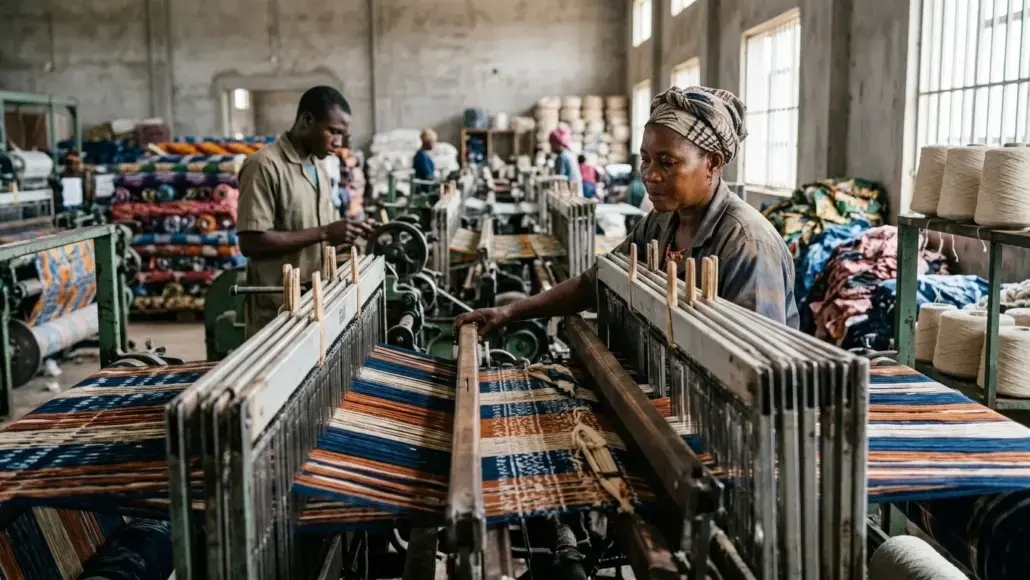
The Nigerian textile industry is currently undergoing a strategic shift as local textile manufacturers seek to regain market share lost to a heavy influx of Chinese textile imports. Once a cornerstone of the national economy and a primary employer of labor, the sector has faced decades of decline due to high textile production costs and the prevalence of smuggled goods that often bypass official trade channels.
Local Textile Manufacturers Focus on Quality and Cultural Identity
To remain competitive in a challenging environment, indigenous firms are prioritizing unique indigenous garment design and high-quality African prints that resonate deeply with local consumers. Industry leaders have highlighted that while Chinese textile imports often flood the market at lower price points, these products frequently lack the durability and cultural authenticity found in materials produced within the country. By focusing on the specific aesthetic preferences of the domestic population, the Nigerian textile industry aims to carve out a sustainable niche that foreign competitors cannot easily replicate.
Addressing Challenges in the Nigerian Fabric Market
Stakeholders are also advocating for significant improvements in national infrastructure to help lower textile production costs, which remain a major hurdle for domestic factories. By modernizing equipment and tailoring their output to the Nigerian fabric market’s specific needs, local textile manufacturers hope to leverage the “Buy Nigeria” initiative. This movement encourages citizens to support the Nigerian textile industry by choosing home-grown products over foreign alternatives to stimulate economic growth.
Furthermore, the sector is calling for more stringent border controls to prevent the dumping of substandard goods that undermine the Nigerian fabric market. As the landscape evolves, the focus remains on ensuring that indigenous garment design remains a symbol of national pride and economic resilience. Through these combined efforts of innovation and advocacy, the industry seeks a path toward long-term stability and a return to its former status as a manufacturing powerhouse.