





















A prominent US legislator has made a formal appeal to the Department of Agriculture, advocating for expanded support of natural fiber production as part of a comprehensive strategy to strengthen domestic textile manufacturing. The communication emphasizes how shifting global economics have created both challenges and opportunities for reshoring textile and apparel production within American borders while promoting environmentally responsible practices.
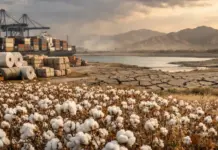
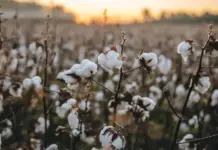
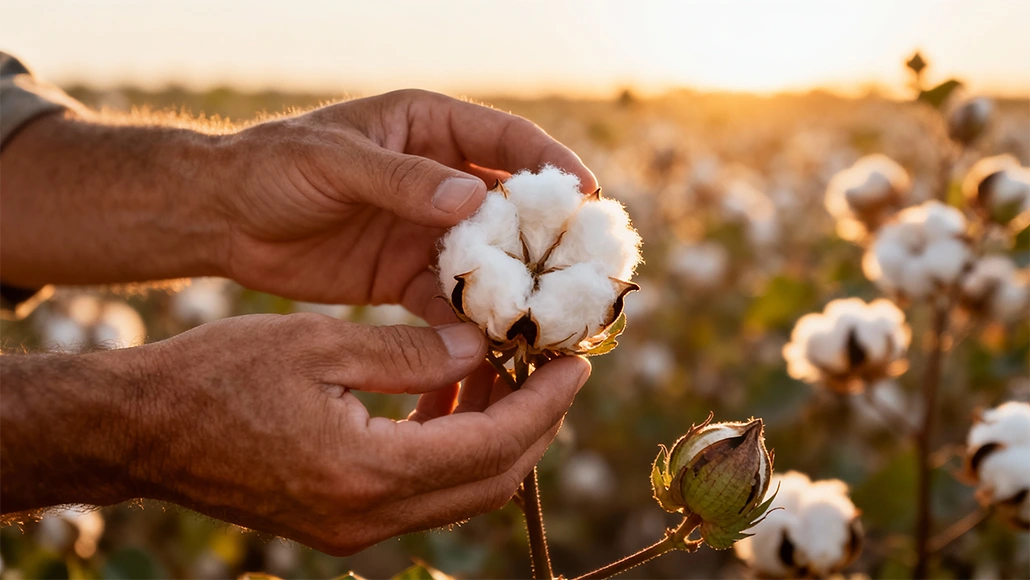
The correspondence highlights a critical distinction between natural and synthetic fiber sources. While synthetic fibers contribute to environmental degradation through microfiber shedding that affects waterways, soil, and atmospheric quality, natural fibers present a more sustainable alternative. These natural fiber options can be cultivated and processed using methods that actively work to sequester carbon while delivering additional advantages to agricultural producers, including enhanced soil conditions and decreased reliance on chemical inputs such as pesticides.
Aligning Production with Agricultural Mission Areas
The legislator emphasizes that natural fiber textile production aligns seamlessly with multiple core objectives within the Department’s mandate. These include advancing farm production and conservation practices, enhancing the domestic and international marketing of United States agricultural goods, creating rural economic opportunity, and enabling farmers and ranchers to compete more effectively in global marketplaces.
Information and Data Requests
To facilitate this expansion of natural fiber textile production, the legislator has formally requested the Department provide:
- Comprehensive information regarding existing programs and administrative authorities capable of supporting natural fiber production and processing
- Current USDA data collection methodologies and whether agricultural census efforts adequately capture fiber crops including flax and hemp varieties
- Documentation of past USDA funding allocations directed toward natural fiber production and processing initiatives
- Assessment of barriers impeding the development of complete natural fiber textile supply chain development
- Information on USDA evaluation of strategies to minimize synthetic pesticide usage in fiber production and how such considerations are being integrated into current or planned departmental programs
Leadership in Sustainable Textile Advocacy
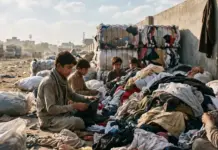
The legislator has established herself as a national advocate for sustainable textile economy practices. As the founder and chair of a Congressional coalition dedicated to sustainable fashion, she has worked to increase awareness regarding textile waste, production pollution, labor practices, and develop policies supporting circular, sustainable, and domestically-produced materials.
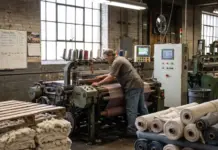
This initiative represents a significant effort to strengthen American textile manufacturing capabilities while addressing environmental concerns associated with current global textile production practices. The emphasis on natural fiber textile production seeks to create economic opportunities for domestic producers while reducing the environmental impact of the nation’s textile supply chain.