







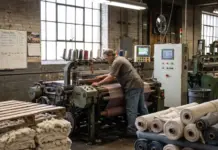
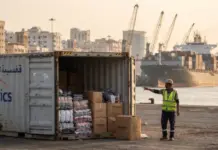
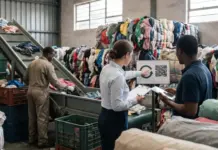

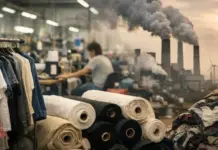



















Vietnam is quietly but steadily reshaping its position in the European Union’s apparel market — not by flooding shelves with cheap goods, but by climbing the value chain. While many competing nations continue to compete on price and volume, Vietnam has taken a different route, one focused on quality, compliance, and higher-value product categories. This strategic shift is helping the country carve out a more resilient and profitable share of the EU apparel market.
Vietnam’s Value-Driven Approach Is Paying Off in Europe
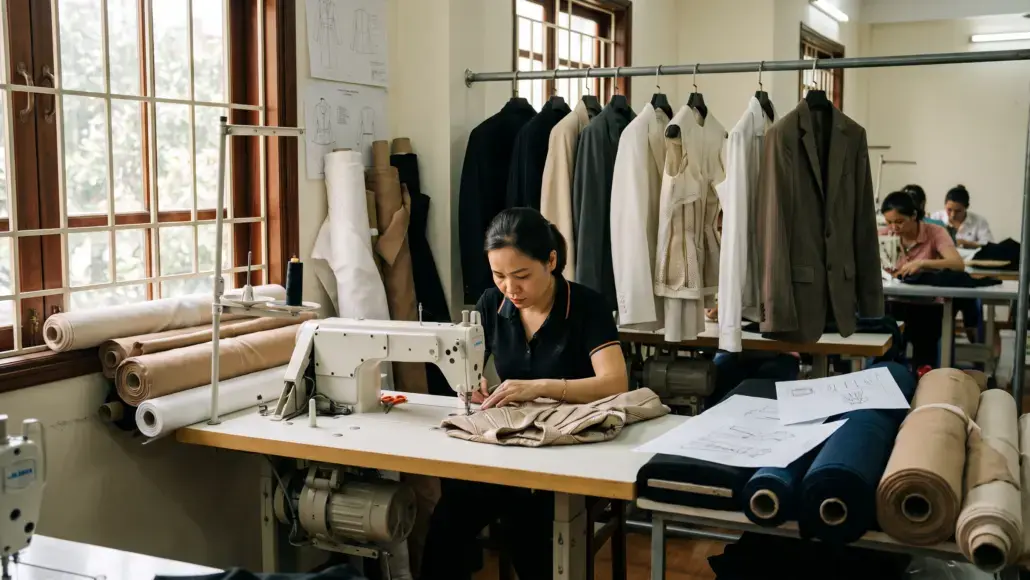
Vietnam’s apparel exports to the EU have shown a notable upward trend, driven largely by the country’s increasing focus on value-added garments rather than sheer output. Industry data confirms that Vietnamese manufacturers are moving away from basic, low-margin items and investing in more technically demanding products such as outdoor wear, sportswear, and functional clothing — segments where buyers are willing to pay a premium.
This pivot has been supported in part by the EU-Vietnam Free Trade Agreement (EVFTA), which came into effect in August 2020. The EVFTA has progressively reduced tariffs on Vietnamese textile and garment exports to the EU, giving Vietnamese manufacturers a meaningful cost advantage over competitors from countries without similar trade arrangements. The deal has served as a key enabler in Vietnam’s broader effort to deepen its footprint in the EU apparel market.
EVFTA: The Trade Framework Fueling Vietnam Apparel Exports
Under the EVFTA framework, Vietnam apparel exports benefit from reduced or eliminated duties on a wide range of clothing categories, provided that goods meet the agreement’s rules of origin requirements. These requirements mandate that fabrics used in garment production must originate either from Vietnam or the EU — a condition that has prompted Vietnamese manufacturers to invest more heavily in upstream textile production capabilities domestically.
Meeting these origin rules has not been without challenge. Vietnam has historically relied on fabric imports, particularly from China, which can complicate compliance with EVFTA’s sourcing requirements. However, manufacturers who have successfully navigated these conditions are now benefiting from improved market access and stronger buyer relationships across key EU member states.
Quality and Compliance Are Central to Vietnam’s EU Strategy
European buyers have grown increasingly selective, placing greater emphasis on environmental standards, labour compliance, and supply chain transparency. Vietnamese manufacturers who have invested in meeting these expectations are finding themselves better positioned to secure and retain EU contracts. This alignment between what EU buyers demand and what a growing segment of Vietnam’s textile industry is now capable of delivering has been central to the country’s rising competitiveness.
Vietnam’s textile industry has also seen continued investment in sustainable production practices and certification, which resonates with European fashion brands and retailers who face mounting regulatory and consumer pressure to clean up their supply chains. This compliance-forward posture has given Vietnamese suppliers an edge that goes beyond pricing.
Competing in a Crowded Market
Vietnam is not alone in eyeing the EU apparel market. Bangladesh remains a dominant force, benefiting from its Everything But Arms (EBA) preferential access and a vast production base geared toward high-volume, cost-efficient output. Cambodia, Myanmar (where political factors have complicated trade access), and other regional producers also compete for EU buyer attention.
However, Vietnam apparel exports are increasingly differentiated by product complexity and reliability of delivery. European brands sourcing more technical or fashion-forward products have found Vietnamese suppliers to be capable partners, particularly in categories that require tighter quality control and more complex manufacturing processes.
This differentiation is critical. In a market where buyers are consolidating their supplier bases and seeking fewer but more dependable sourcing partners, Vietnam’s ability to deliver on both quality and compliance requirements gives it a distinct advantage over purely volume-driven competitors.
The Road Ahead for Vietnam’s Textile Industry
Vietnam’s textile industry remains focused on sustaining this upward trajectory in the EU apparel market. The continued implementation of EVFTA trade benefits, combined with ongoing investments in production quality and sustainability, is expected to keep Vietnam apparel exports on a competitive footing with other major sourcing destinations.
For European buyers, Vietnam represents a sourcing option that increasingly checks multiple boxes — competitive pricing relative to its product quality tier, improving sustainability credentials, and a track record of delivery reliability. These attributes together suggest that Vietnam EU apparel market growth is not a short-term phenomenon, but a trend grounded in structural improvements to the country’s manufacturing and trade capabilities.
As global fashion brands continue to reassess their supply chain strategies in response to geopolitical shifts, sustainability mandates, and changing consumer preferences, Vietnam’s value-not-volume approach in the EU apparel market positions it as a sourcing destination of growing strategic importance.

