




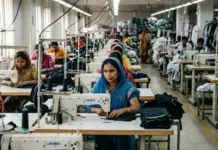















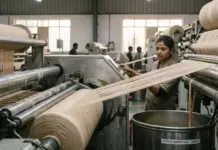










Bangladesh has removed the prior approval requirement for yarn and fabric imports by export-oriented readymade garment (RMG) manufacturers, marking a significant policy shift aimed at reducing procedural delays and improving operational efficiency across the country’s garment manufacturing sector.
The decision, issued by the Bangladesh Bank, allows export-oriented garment makers to import yarn and fabric without having to seek advance authorization — a step that had long been considered a bottleneck in the supply chain management of the country’s largest export industry.
What the Policy Change Entails
Under the revised directive, authorized dealers — primarily commercial banks — are now permitted to open letters of credit (LCs) for yarn and fabric imports by export-oriented garment factories without requiring prior approval from the Bangladesh Bank. This effectively streamlines the import financing process for manufacturers who depend on timely access to raw materials to fulfill export orders.
The move is expected to benefit a broad base of RMG manufacturers who had previously been required to navigate an additional layer of regulatory clearance before they could initiate raw material procurement through banking channels. The Bangladesh fabric import rules have now been made considerably more flexible for this segment of the industry.
Context Behind the Decision
The Bangladesh RMG sector is the country’s single largest export-earning industry, contributing the vast majority of the nation’s foreign exchange revenues. Efficient access to raw materials such as yarn and fabric is considered critical to maintaining the competitive edge of Bangladeshi garment exporters in global markets.
Prior to this change, the requirement for advance approval had been cited by industry stakeholders as a source of delays, particularly when export deadlines were tight and rapid procurement of yarn and fabric imports was essential. The removal of this procedural step is aligned with broader efforts to enhance the ease of doing business for export-oriented garment manufacturers operating in Bangladesh.
Banking Channels and LC Operations
With the updated Bangladesh textile policy now in place, authorized dealer banks play a central role in facilitating the revised import process. These banks can now independently process LC applications for eligible exporters without routing requests through the central bank for prior clearance.
This decentralization of the approval mechanism is intended to speed up transaction timelines, enabling export-oriented garment factories to respond more swiftly to buyer requirements and production schedules. For manufacturers operating under tight turnaround cycles, the ability to secure yarn and fabric imports through faster LC processing holds practical significance.
The Bangladesh Bank’s circular formalizing this change provides the regulatory basis for authorized dealers to act within the updated framework, ensuring that the process remains structured even as it becomes less restrictive.
Industry Implications
The relaxation of Bangladesh RMG imports regulations for raw material procurement reflects a responsiveness to the operational realities of export-driven manufacturing. Garment exporters have consistently highlighted input procurement speed as a factor affecting their ability to meet international order deadlines.
By removing the prior approval layer for yarn and fabric imports, Bangladesh’s central bank has addressed one of the procedural friction points that manufacturers had flagged in the context of Bangladesh fabric import rules. The policy is applicable specifically to export-oriented garment makers, maintaining a targeted scope that aligns the benefit directly with the country’s export production capacity.
The updated Bangladesh textile policy is expected to facilitate smoother raw material inflows, supporting uninterrupted production cycles for the country’s export-oriented garment sector.