
























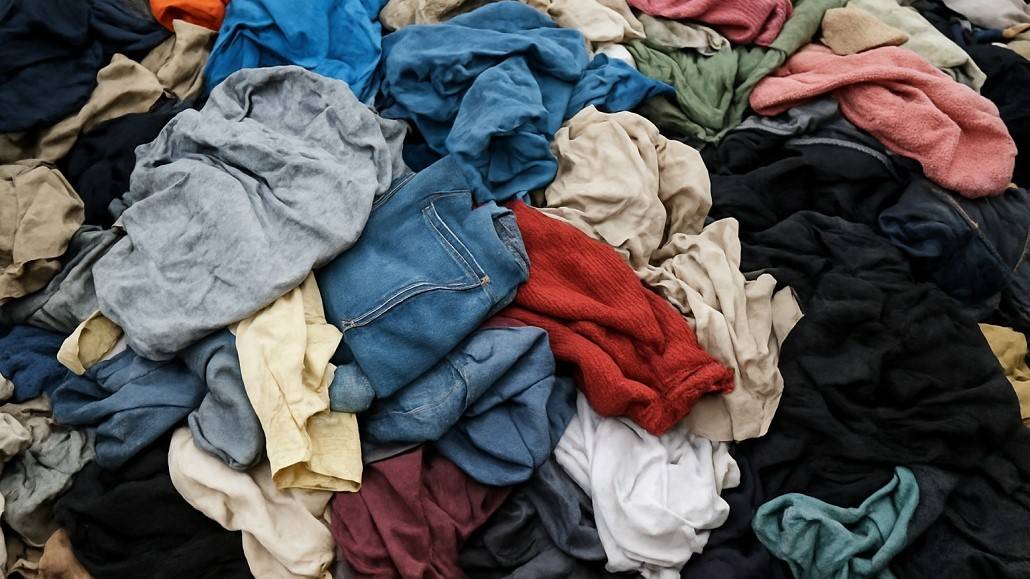
Each year, the world discards an astonishing 120 million metric tonnes of clothing, yet only a small portion is transformed into new fibers suitable for apparel-grade fabric. According to a commentary by the Boston Consulting Group (BCG), systemic improvements could elevate recycling rates to over 30 percent, creating new fibers valued at more than $50 billion. Achieving such progress requires comprehensive changes across the industry, including expanding textile collection efforts, adopting innovative technologies, enhancing operational efficiency, and increasing investments in sustainability.
In 2024, the quantity of discarded clothing reached a staggering 120 million metric tonnes, highlighting a significant shift in fashion consumption patterns. Since 2000, global fiber production has doubled, resulting in heightened consumption and subsequent waste. Alarmingly, around 80 percent of discarded clothing went to landfills or incineration, while only 12 percent was reused and less than 1 percent was recycled into new textile fibers.
The environmental impact of this waste is profound. Textile production alone contributes to 92 percent of the fashion industry’s greenhouse gas emissions, and the disposal of textiles aggravates the situation by releasing harmful microplastics into the environment. By 2030, demand for recycled textiles is expected to outstrip supply by 30 to 40 million metric tonnes.
Despite the momentum for change, several barriers hinder progress in recovering and reusing textile waste. Firstly, recycled materials often present economic and practical challenges compared to virgin fibers. Concerns about quality, cost, and availability hinder their appeal; for instance, recycled polyester can be over twice as expensive as its virgin counterpart. Addressing these textile recycling challenges and solutions is crucial for the industry’s transformation.
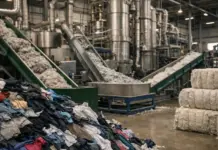
Secondly, the textile waste management infrastructure struggles to keep pace with the massive volumes produced. Current systems are primarily geared toward resale rather than recycling, leading to inefficient manual sorting processes. These systems cannot adequately handle the complexities of modern fabrics, which often consist of mixed fibers.
To address these challenges, BCG advocates for five key actions: promoting demand for products made with recycled fibers, enhancing waste collection, modernizing sorting methods, scaling effective recycling solutions, and fostering investments in innovation. The authors emphasized that addressing the textile recycling challenges and solutions will hinge on establishing economic incentives for both businesses and consumers while fostering collaboration across the value chain to create a more sustainable textile industry.