




























US consumer spending remained resilient in March, with retail sales extending their upward streak to a sixth consecutive month as tax refunds helped cushion households from higher petrol costs tied to the conflict in the Middle East. Data from the CNBC/NRF Retail Monitor shows broad-based growth across most retail categories, including a strong showing from clothing and accessories.
According to the monitor, retail sales excluding vehicle dealerships and fuel stations increased 0.4% on a seasonally adjusted basis from February to March, and were up 6.59% unadjusted compared with March 2025. That followed February gains of 0.28% month on month and 6.24% year on year.
A narrower “core” measure—which removes restaurants as well as auto dealers and petrol stations—rose 0.41% from the prior month and climbed 7.05% from a year earlier. In February, core sales increased 0.27% month on month and 5.87% year over year.
On a quarterly basis, the report shows total retail sales for Q1 2026 were 6.18% higher than the same period last year, while core sales rose 6.14%.
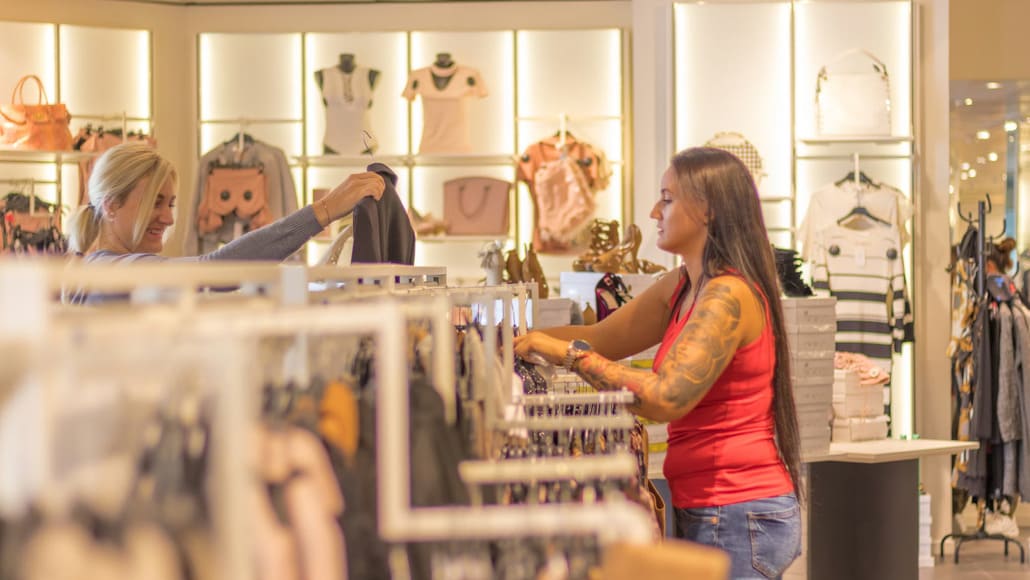
Category detail suggests apparel remains a bright spot in the US retail sales March 2026 picture. Clothing and accessories stores recorded a 0.57% monthly increase and a 10.89% annual rise. Sporting goods, hobbies, music and book stores posted a 0.4% month-on-month gain and were up 10.88% from March 2025. The monitor also highlighted strong year-on-year growth in health and personal care.
NRF president and CEO Matthew Shay said the combination of refunds and essential spending priorities helped keep cash registers ringing despite a difficult macro backdrop. “Retail sales grew for a sixth consecutive month in March as the first wave of tax refunds offset higher gas prices resulting from the conflict in the Middle East. Despite record-low consumer sentiment and the highest inflation rate in two years, consumers continued to spend on household priorities. As consumers focus on costs, retailers remain laser-focused on keeping prices competitive and affordable.”
The US retail sales March 2026 data indicates shoppers are still spending, but the report suggests the pattern is pragmatic rather than exuberant—supported by seasonal inflows such as refunds while inflation and energy volatility continue to pressure household budgets.