




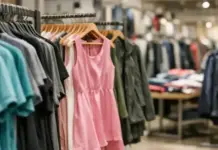



















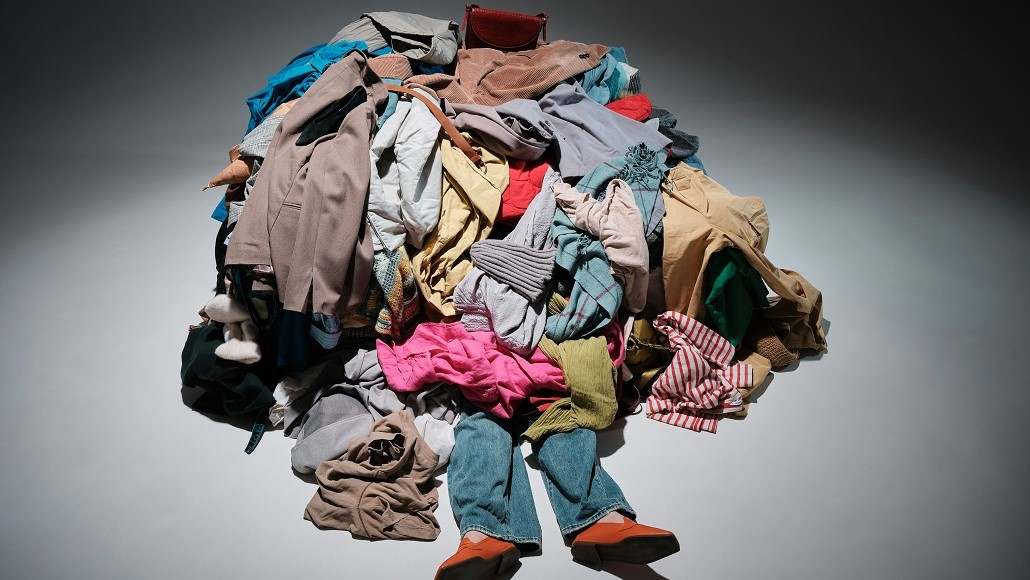
Clothing that never leaves the wardrobe is emerging as one of the fashion industry’s least visible obstacles to a circular economy, according to new research commissioned by Reconomy. The study argues that “idle” garments—items bought and then barely worn—are now generating a circularity problem almost as large as the well-documented issue of clothing thrown away, because the same products often end up discarded later with little value perceived in keeping, repairing or reselling them.
Reconomy’s analysis points to structural causes rather than individual consumer choices alone. It identifies “widespread overproduction” and the market’s tilt toward inexpensive, lower-quality clothing as key drivers, saying these garments tend to have shorter useful lives and are less likely to be maintained. In that context, unworn clothes circularity becomes a systemic failure: when large volumes of low-value items sit unused, they lose emotional and economic worth, which further reduces the likelihood that owners will invest time in care, repair or reuse. Over time, these products are more readily discarded, creating waste volumes that the research says can be comparable to items sent straight to landfill.
The report also paints a picture of circular initiatives struggling to graduate from early experimentation. While brands and retailers have launched repair, resale and takeback pilots, Reconomy says progress remains slow, with many schemes failing to reach scale. One reason, the research suggests, is fragmentation across markets: inconsistent regulations and a lack of shared circular design standards make it difficult for international businesses to build strategies that work across borders.
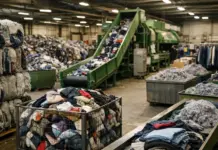
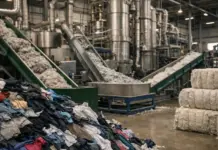
Beyond regulation, the study identifies several blockers that are holding back circular business models, including “unsuitable infrastructure, poor data availability and lack of long-term financial investment”. Without reliable sorting, grading and recycling capacity—supported by high-quality, decision-grade data—companies struggle to create repeatable processes that meet compliance needs and deliver acceptable economics.
To accelerate adoption, the research sets out eight areas where industry and policymakers should concentrate efforts. These include building more aligned policy frameworks across countries, improving access to robust data for reporting and compliance, scaling effective takeback and reuse programmes, expanding sorting and recycling capacity, and establishing a clearer commercial rationale for investing in circular infrastructure. It also calls for a consistent, data-led operating model that defines what “good” looks like across the ecosystem, stronger cross-industry collaboration, and more support to help consumers participate in circular systems.
Aimee Campanella, Reconomy’s textiles EPR development director, said the sector faces a gap between intent and execution. “While brands and retailers recognise this is a business-critical issue and want to accelerate circularity, too many structural barriers stand in the way of adopting solutions that work at scale. We hope this research provides the industry with a better understanding of the barriers and what needs to change to help the sector move beyond pilots to viable circular systems that help the sector reduce waste, cut carbon emissions, while also lowering costs for businesses and strengthening profitability.”
Reconomy commissioned the research against a backdrop of rising global demand for clothing and footwear, at a time when circular practices remain limited and waste continues to climb. The study cites an estimated 120 million metric tonnes of textile waste generated worldwide in 2024, with around 80% ending up in landfill or incineration.
The work was carried out by independent sustainability consultancy Sancroft and draws on desk research as well as detailed stakeholder interviews across the textiles value chain. For Reconomy, the implication is clear: solving unworn clothes circularity requires not only better end-of-life systems, but also an upstream shift in how clothing is made, valued and kept in use—so that garments generate utility before they become waste.