






















Durban’s crucial clothing and textile industry is facing a significant threat, warning that thousands of jobs could be on the line if foreign workers are compelled to leave abruptly amidst intensified immigration enforcement. Industry leaders are urging for a considered approach to prevent widespread economic disruption in the region.
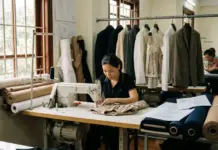
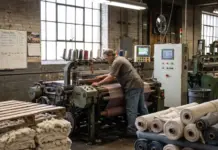
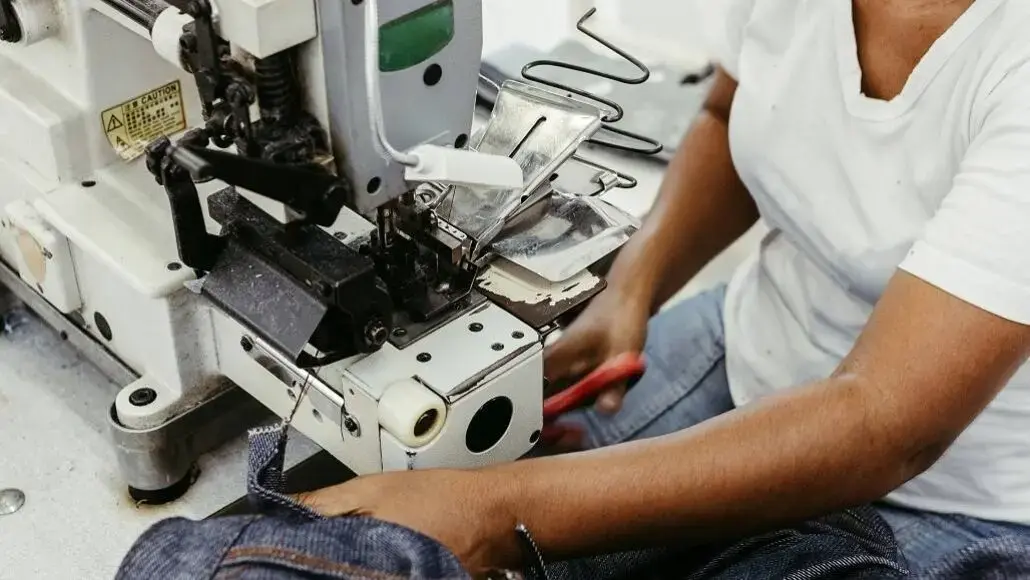
The Ecoini Clothing and Leather Council has highlighted a critical reliance on foreign nationals within the sector, reporting that over 80% of machinists are foreign workers. This reliance underscores a long-standing challenge for factories, which have consistently struggled to recruit a sufficient number of skilled local workers to fill these essential roles. The potential sudden departure of these foreign workers, driven by stricter immigration enforcement, could precipitate a severe labor shortage, directly impacting production capacity.
Industry stakeholders express deep concern that such a rapid exodus would inevitably lead to reduced output, factory closures, and significant job losses across the Durban clothing industry. The ripple effect of these closures would not only devastate the livelihoods of many but also inflict substantial damage on the broader local economy. The concerns revolve around maintaining stability for Durban clothing industry jobs and the entire textile industry.
In response, the KwaZulu-Natal government has maintained its firm stance, emphasizing that all businesses operating within the province must adhere strictly to existing immigration and labor laws. The government reiterated that the employment of undocumented foreign nationals is illegal and compliance is non-negotiable.
This critical situation has ignited a pertinent debate: whether South Africa should proceed with immediate, rigorous immigration enforcement or implement a phased transition plan designed to safeguard both existing Durban clothing businesses and the numerous job losses that loom. The outcome of this discussion will profoundly shape the future of the region’s manufacturing sector and the stability of its textile industry. The council insists that a balanced approach is necessary to navigate the complexities of immigration enforcement without sacrificing essential foreign workers and ultimately impacting the sustainability of Durban clothing industry jobs.