































Sri Lanka’s purchasing managers’ index data for May 2026 revealed a notable upturn in both manufacturing and services activity, with new orders and production driving the momentum across sectors. The Central Bank of Sri Lanka released the latest figures, pointing to a broad-based recovery underpinned by the textiles and apparel industry on the manufacturing side and financial and professional services on the other.
Manufacturing Sector Gains Ground on Textiles and Higher Working Days
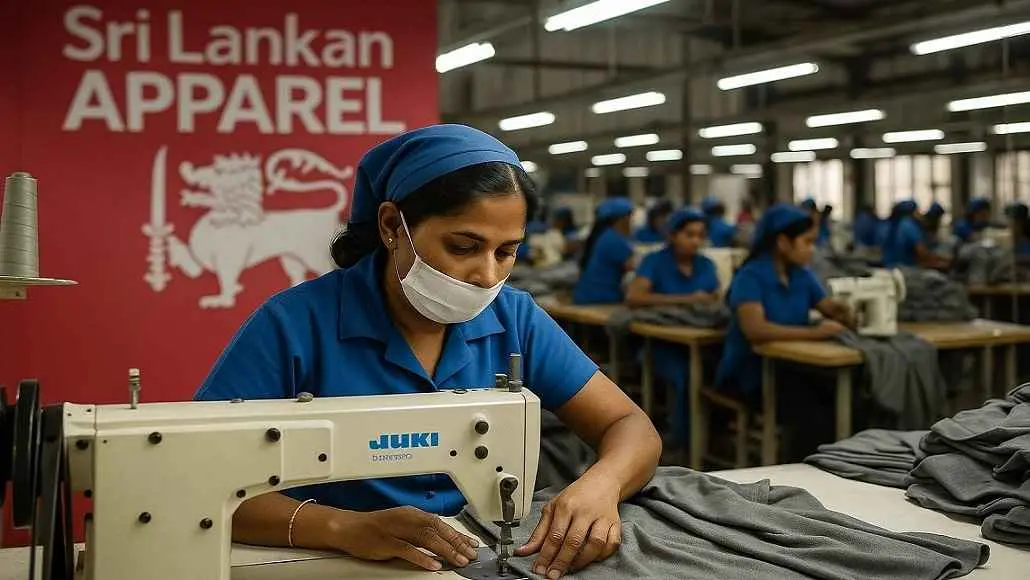
The growth in new orders and production was largely fueled by the textiles and apparel industry, according to the Sri Lanka PMI May 2026 data. New orders climbed sharply to 52.6 from 36.4 in April, while production rose to 54.6 from 30.5, reflecting a decisive swing back into expansion territory. Employment in the manufacturing sector also improved significantly, moving to 59.7 from 47.0, a clear sign of stronger factory-level activity across the country.
Stock of purchases increased to 52.6 from 44, supported by rising demand and growing production requirements. Manufacturers attributed a portion of this improvement to a higher number of working days in May compared with the previous month, which gave factories more room to ramp up output and fulfill pending orders.
Supply Chain Delays Persist
Despite the positive momentum in manufacturing expansion, supplier delivery times remained extended. The delivery times index stood at 66.3, indicating that supply chain delays continued to be a challenge for manufacturers. Businesses also highlighted that the difficult operating environment linked to the ongoing Middle East conflict kept affecting both operations and overall sentiment within the sector.
Services Sector Growth Led by Financial and Professional Services
The Sri Lanka PMI for services recorded an index value of 56.9 in May 2026, signaling a clear expansion in services activities compared with the previous month. The services sector growth was primarily driven by stronger performance in financial services, professional services and other personal services.
New business volumes increased across the sector, with financial and professional services leading the way. Wholesale and retail trade, personal services and goods transportation also contributed positively to the overall expansion. However, employment in the services sector declined during the month due to contract expirations, retirements and resignations. Backlogs of work also continued to fall, and at a faster pace than recorded in April.
Outlook Remains Optimistic Despite Global Risks
Looking ahead, businesses in both the manufacturing and services sectors remain optimistic about activity over the next three months. Manufacturing firms expect operations to stay above the neutral threshold, while service providers anticipate stronger demand supported by higher tourist arrivals during the Perahera season and improving domestic economic conditions.
The Central Bank noted, however, that risks associated with the Middle East conflict and broader global uncertainties continue to weigh on business confidence. These factors could affect future growth prospects for both sectors, even as the near-term indicators remain encouraging. The Sri Lanka PMI May 2026 readings suggest resilience in the economy, though external headwinds demand cautious optimism from businesses and policymakers alike.

