






























The Vietnamese textile and garment industry finds itself at a critical juncture, navigating complex trade policies and evolving market dynamics as it confronts the ongoing impact of US tariffs. Despite initial growth in early 2026, rising costs and uncertain US trade policies are presenting significant export challenges for a sector that is a cornerstone of Vietnam’s economy. The landscape has been particularly fluid, marked by shifts in the application and intensity of US tariffs.
Evolution of US Tariff Measures on Vietnamese Textiles
In August 2025, the US began imposing a 20% tariff on a broad range of fashion and textile goods imported from Vietnam. This measure followed an earlier proposal in April 2025 for a 46% reciprocal tariff, which was subsequently adjusted. This 20% rate, while lower than the initial proposal, remains higher than those faced by competitors like Indonesia (19%), Cambodia (19%), and Turkey (15%).
Further legal developments reshaped the situation in February 2026. A US Supreme Court ruling temporarily blocked the use of “reciprocal duties” under the International Emergency Economic Powers Act, which had been the legal basis for additional duties previously. Shortly after this ruling, the White House announced a temporary import duty of 10% on a wide array of products, including Vietnamese textiles, effective February 24 for a 150-day period under Section 122 of the Trade Act of 1974. This temporary shift offered some short-term relief, with analysts estimating an average tariff rate of 18-20% for Vietnamese goods, down from a previous 23-25%. However, it also ushered in a new phase of strategic adjustment and continued uncertainty regarding trade policy.
Industry Impact and Economic Pressures
The immediate consequences of these US tariffs have been noticeable. From August to September 2025, Vietnamese footwear exports to the US declined by 27%, while fashion and textile exports saw a 20% drop, underscoring the industry’s sensitivity to tariff hikes. Major American brands with substantial production in Vietnam, such as Nike, faced increased costs that were absorbed across the supply chain, often resulting in squeezed margins for Vietnamese manufacturers or higher retail prices for US consumers.
Data from May 2026 revealed that garment and textiles exports reached approximately $3.19 billion, a 3.5% increase year-on-year. Cumulative export value for the first five months of 2026 exceeded $15.13 billion, marking a modest 0.4% increase compared to the previous year. Despite these figures, the sector grapples with higher production costs, which can be 40-45% steeper in Vietnam compared to regional competitors like Indonesia, Malaysia, and Myanmar, even with more productive labor. Elevated freight rates and rising selling expenses further contribute to thinner profit margins for businesses. Companies like TNG Investment and Trading JSC reported a fall in gross profit margin from 15.2% to 12.1% due to these pressures.
The industry’s reliance on imported raw materials, with 100% of its cotton and up to 95% of synthetic fibers sourced internationally, adds another layer of complexity, particularly concerning US rules of origin requirements. Goods with inputs from countries like China face the risk of being classified as “transshipped,” potentially incurring even higher tariffs of up to 40%, further threatening the sector’s stability within global supply chains.
Strategic Responses and Future Outlook
In response to these challenges, Vietnamese textiles companies and government bodies are implementing various strategies to mitigate the impact of the Vietnam Textile Tariffs Impact. The Vietnam Textile and Apparel Association (VITAS) projected 2025 export turnover to reach $46 billion, a 5.6% increase from 2024, despite the tariff pressures. This resilience is attributed to initiatives such as market diversification, a move towards digitalization and automation, adoption of green production practices, and supply chain integration.
Analysts like Nguyen Thi Trang from KB Vietnam Securities suggest that the negative impact on the industry might not be overly severe for some firms. A mechanism for the sector allows a certain volume of garments and textiles exports to qualify for preferential tariff rates based on the proportion of cotton and yarn imported from the United States. Vietnam was a significant importer of US cotton in the 2024-2025 marketing year, which could provide a basis for preferential tariff quotas if approved.
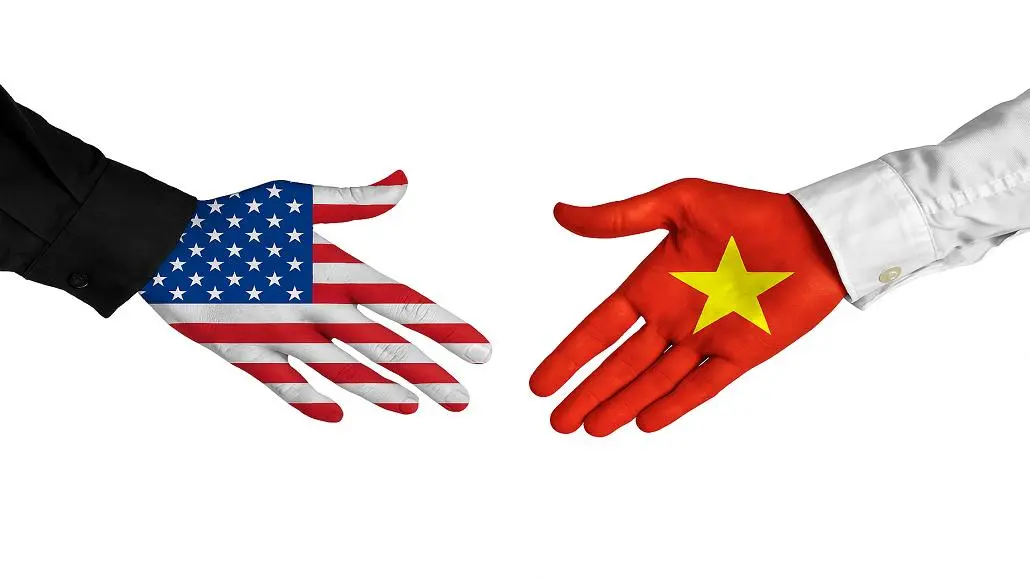
The Vietnamese government has also called for immediate support for affected firms, urging agencies to implement measures that help businesses adapt, maintain jobs, and safeguard long-term competitiveness. Discussions are ongoing to negotiate more favorable conditions through the new US-Vietnam trade agreement framework. Companies are actively adjusting production paces, pricing strategies, and expanding into new markets to stabilize orders and protect labor incomes from fluctuations.
While the immediate future for Vietnamese textiles remains intricately tied to evolving trade policy and the persistent nature of US tariffs, the industry’s historical adaptability and strategic pivot towards diversification and sustainable practices offer a pathway to sustained growth despite the current export challenges and complexities of global supply chains.

