























The landscape of the global fashion industry is undergoing a profound transformation, with China at its epicenter. Once predominantly recognized as the “world’s factory,” China is now increasingly asserting itself as a formidable consumer market and a significant importer, fundamentally redefining global trade balances and apparel supply chain strategies. This strategic shift reflects a new phase in China’s economic development, driven by internal growth and evolving international trade dynamics.
The Rise of the Discerning Chinese Consumer
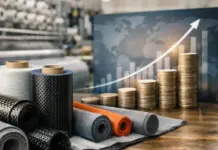
China’s robust economic growth over recent decades has fostered a burgeoning middle class with expanding disposable incomes, fueling a substantial increase in domestic consumption of fashion goods. The Chinese fashion market is projected for continued expansion, with revenue reaching approximately US$276.42 billion in 2025 and an anticipated annual growth rate of 6.86% from 2025 to 2029. This expanding consumer base, particularly among younger generations like Gen Z, is characterized by a growing preference for authenticity, wellness, and cultural resonance in their fashion choices, shaping new fashion consumer trends. Consumers are increasingly seeking value-driven and experience-focused purchases, with a significant portion of luxury spending now remaining within China.
Redrawing the Global Apparel Manufacturing Map
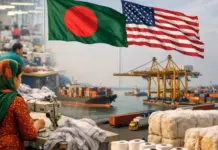
Simultaneously, China’s traditional role as a primary manufacturing hub is evolving. Rising labor costs within the country have prompted many international brands to diversify their sourcing strategies, shifting production to other Asian economies such such as Vietnam, Bangladesh, Cambodia, and Indonesia. This recalibration of the apparel supply chain is not merely a cost-driven decision but also a strategic pivot influenced by geopolitical factors and the pursuit of resilient, agile production networks. While China remains a leading exporter of apparel, its imports in this sector have seen a steady and significant rise, tripling between 2010 and 2024. This surge presents a substantial opportunity for developing Asian countries to expand their exports to China.
Domestic Brands Asserting Influence
Beyond its role as a consumer powerhouse, China is cultivating a vibrant ecosystem of domestic fashion brands and designers. The “Made in China” label is transforming into “Made for China” or “Designed in China,” with local brands gaining strength and international recognition. This is evident in the increasing dominance of domestic brands in China’s top fashion turnover rankings, which grew from 15% in 2011 to over 30% in 2021. Chinese designers are adeptly blending traditional elements with contemporary styles, creating a “new Chinese style” that resonates deeply with local consumers who prioritize cultural connection and authenticity.
Luxury Fashion: A Strategic Focus on China
The shifting landscape also significantly impacts luxury fashion China. Western luxury brands are increasingly focusing on the Chinese fashion market, recognizing its immense potential. Chinese consumers are projected to account for 60% of total global spending growth on luxury items by 2030. During periods of restricted international travel, such as the COVID-19 pandemic, luxury spending that might have occurred abroad was redirected to mainland China, further emphasizing the market’s domestic strength. While a pivot towards a “quality-over-quantity” strategy is observed, with a focus on flagship stores and VIP clients, the emphasis on the discerning fashion consumer trends remains paramount.
Sustainability and Technological Integration Driving Innovation
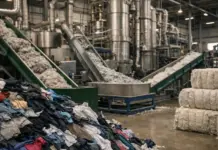
The evolution of the Chinese fashion market is also deeply intertwined with a strong push towards sustainability and technological integration. There is a notable increase in demand for eco-friendly and ethically produced fashion items, influencing fashion consumer trends. China’s government actively promotes a greener textile and fashion industry through policies outlined in its 14th Five-Year Plan, encouraging the adoption of cleaner production techniques and sustainable practices. Innovations include investment in organic cotton production, waterless dyeing technologies, and closed-loop recycling systems. Furthermore, the industry is embracing advanced technologies like AI, smart textiles, and digital product passports to enhance efficiency, transparency, and innovation across the global fashion industry.
In summary, China’s transformation from a manufacturing powerhouse to a pivotal consumer and import market marks a significant turning point for the global fashion industry. This China’s Fashion Market Evolution underscores the importance of understanding dynamic consumer preferences, adapting to evolving apparel supply chain models, and embracing sustainability and technological advancements to thrive in this new era of global fashion.