






















YANGON, Myanmar – May 1, 2025 – A labor union in Myanmar has expressed its appreciation for the increasing attention global apparel brands are giving to wage-related issues in the country. In light of rising concerns over low pay and poor working conditions within Myanmar’s garment factories, brands are stepping forward to address these critical social compliance issues.
The union, which represents workers in Myanmar’s garment sector, welcomed the commitment of international brands to monitor and improve the situation. It acknowledged that their involvement is a necessary step to ensure fair wages and enhanced labor standards in the country’s manufacturing industry.
“This show of concern from global brands is an important move toward holding factories accountable and ensuring that workers receive fair treatment and wages,” said a spokesperson from the union. “We encourage brands to continue this dialogue and take concrete action to improve conditions for the workforce.”
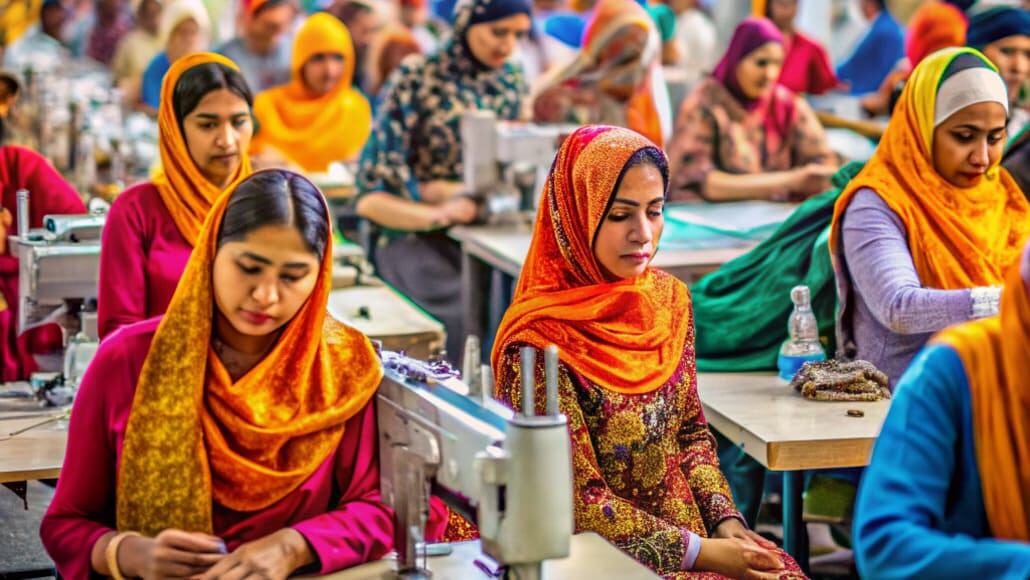
Myanmar’s garment sector has faced significant challenges in recent years, including political instability, supply chain disruptions, and allegations of labor rights violations. Many factory workers struggle to earn a living wage, compounded by harsh working conditions and limited job security. Advocacy groups and unions have been pushing for improvements, calling on international buyers to play an active role in driving change.
Some global apparel brands, which source garments from Myanmar, expressed their concern over the allegations of wage theft and non-compliance with labor laws. They have reportedly engaged with the factories and local stakeholders to demand reforms, improve transparency, and ensure social compliance. This reflects a growing international focus on Myanmar garment wage concerns as part of broader efforts to promote ethical labor practices.
The union emphasized that brands have a critical role to play in influencing responsible business practices and promoting ethical labor standards. By maintaining open lines of communication and holding their suppliers accountable, brands can contribute to long-term improvements in Myanmar’s garment industry.
The call for better wages and improved working conditions aligns with the broader global trend of prioritizing corporate social responsibility (CSR) and ethical supply chain practices. As consumers increasingly demand greater accountability from brands, companies are under pressure to ensure that their sourcing practices align with international labor standards.
Despite the positive gestures, advocacy groups stress the need for sustained commitment and tangible outcomes to address the systemic issues plaguing Myanmar’s garment sector. They call on brands to go beyond statements of concern and implement measures that directly benefit workers, such as wage increases, improved workplace safety, and accessible grievance mechanisms.
The union concluded by urging brands to use their influence to catalyze meaningful change in Myanmar’s factories. “Workers need support now more than ever, and we hope global brands will lead the charge in standing up for their rights,” the spokesperson added.
Highlighting Myanmar garment wage concerns, global brands and unions are aligning their efforts to push for ethical practices, fair pay, and improved working conditions. This renewed focus underscores the critical role all stakeholders must play in fostering a more sustainable and equitable garment industry in Myanmar.

